By using this site, you agree to the Privacy Policy and Terms of Use.
Accept
GMJ NewsGMJ NewsGMJ News
  • Latest News
    • GMJ Briefs
  • Podcast & Media
    • Podcast Episodes
    • GMJ Audio
    • GMJ Videos
  • Research Digest
    • New Studies
    • Georgian Research
    • Data & Numbers
  • Policy & Systems
    • Health Policy
    • Quality & Safety
    • Migration & Health
    • Global Health
  • Practice
    • Clinical Updates
    • Case Discussions
    • Pharmacy & Prescribing
    • Ingredients A-Z
  • Perspectives
    • Editorial
    • Explainers
    • Voices
    • Letters
  • GMJ Articles
    • Vol. 1 Issue 2 (2026)
    • Vol. 1 Issue 1 (2026)
    • Pre-Launch Articles (2025)
  • Read the Journal →
  • About GMJ News
Notification Show More
Font ResizerAa
GMJ NewsGMJ News
Font ResizerAa
  • Latest News
    • GMJ Briefs
  • Podcast & Media
    • Podcast Episodes
    • GMJ Audio
    • GMJ Videos
  • Research Digest
    • New Studies
    • Georgian Research
    • Data & Numbers
  • Policy & Systems
    • Health Policy
    • Quality & Safety
    • Migration & Health
    • Global Health
  • Practice
    • Clinical Updates
    • Case Discussions
    • Pharmacy & Prescribing
    • Ingredients A-Z
  • Perspectives
    • Editorial
    • Explainers
    • Voices
    • Letters
  • GMJ Articles
    • Vol. 1 Issue 2 (2026)
    • Vol. 1 Issue 1 (2026)
    • Pre-Launch Articles (2025)
  • Read the Journal →
  • About GMJ News
Follow US
GMJ News > GMJ Briefs > Over 2 Billion People Face Preventable Cognitive Damage from Iodine Deficiency

Over 2 Billion People Face Preventable Cognitive Damage from Iodine Deficiency

GMJ
Last updated: 04/08/2026 15:30
By
Prof. Giorgi Pkhakadze
Share
1 Min Read
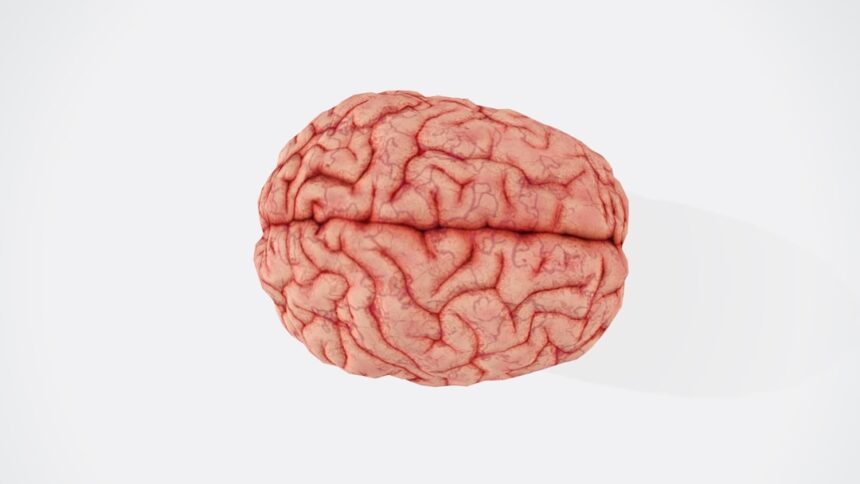
Infographic showing five essential minerals and their roles in brain function and neurotransmitter synthesis
Minerals are fundamental to brain function, regulating neurotransmission, neuroplasticity, and neuronal resilience. From iodine's role in cognitive development to lithium's neuroprotective effects, even mild micronutrient deficiencies can impair mood, cognition, and mental health. — Photo by BUDDHI Kumar SHRESTHA on Unsplash (Unsplash License)
SHARE
1 min read|143 words

Iodine deficiency represents a global public health crisis affecting more than 2 billion individuals worldwide, making it the leading preventable cause of cognitive impairment in children. This statistic underscores a stark disconnect between scientific evidence and implementation of prevention strategies. Iodine is essential for thyroid hormone production, which regulates brain development and cognitive function from gestation through early childhood. The window of vulnerability is narrow and critical: iodine insufficiency during pregnancy and early infancy can result in permanent neurological damage, including intellectual disability and impaired learning. The compelling part of this narrative is its solution: simple salt iodization programs have proven remarkably effective at preventing these irreversible outcomes in resource-limited settings. Despite decades of evidence supporting universal salt iodization, implementation remains inconsistent across many regions. This preventable burden demands renewed attention from policymakers and global health organizations. Read the full article on GMJ Newsroom.

Was this article helpful?

GMJ Brief · Key Finding

📰 Read the full article: How minerals shape brain function: what neuroscience reveals about micronutrient deficiency →

Related reference
  • Iodine · Ingredient
Share This Article
Facebook LinkedIn Bluesky Copy Link Print
GMJ
ByProf. Giorgi Pkhakadze
Follow:
Prof. Giorgi Pkhakadze, MD, MPH, PhD, is Editor-in-Chief of the Georgian Medical Journal and Chair of the Public Health Institute of Georgia (PHIG). He is Professor and Head of the Department of Social and Behavioural Sciences at David Tvildiani Medical University, and Secretary/Treasurer of the UEMS Section of Public Health. ORCID: 0000-0001-7609-4515.

Submit Your Paper →

Georgia's peer-reviewed open-access medical journal. No APC until January 2027.
Submit Manuscript →
Celebrity Disclosure Renews Focus on Prostate Cancer Screening and Early Detection

Television presenter Jeremy Clarkson's recent disclosure of aggressive prostate cancer and remission…

Magnesium Supplement Claims vs. Evidence: What the Science Actually Shows

Animal studies show tissue-specific magnesium uptake, but human trials have not replicated…

Biology’s Universal Blueprint: How Cells Reveal the Mechanics of Life

All living organisms operate according to shared cellular principles—membrane structure, energy metabolism,…

Submit Your Paper to GMJ

No APC until January 2027.
Submit Manuscript →

You Might Also Like

SITUATION BRIEF: Cross-Border Ebola Outbreak – DRC/Uganda

By
Prof. Giorgi Pkhakadze
31/05/2026
Comparative performance chart showing general-purpose AI models outperforming clinical-specific AI tools on physician-generated questions

Surprise Finding: General AI Chatbots Outshine Purpose-Built Clinical Tools

By
Prof. Giorgi Pkhakadze
19/07/2026
Glass of tomato-soy juice with fresh tomatoes and soybeans representing anti-inflammatory nutrition research

Novel Plant-Based Formulation Shows Promise for Obesity-Related Inflammation

By
Prof. Giorgi Pkhakadze
17/06/2026

UN Aviation Agency Issues Safety Alert as Ebola Spreads in DRC and Uganda

By
Prof. Giorgi Pkhakadze
27/05/2026
Facebook Twitter Youtube Instagram
Company
  • Privacy Policy
  • Contact US
  • GMJ Journal
  • Submit Manuscript
  • Editorial Team
  • Register at GMJ
  • Terms of Use

Subscribe to GMJ News — Click here

Join Community
© 2026 Georgian Medical Journal (GMJ). Published by the Public Health Institute of Georgia (PHIG). All rights reserved.
Welcome Back!

Sign in to your account

Username or Email Address
Password

Lost your password?

Not a member? Sign Up