By using this site, you agree to the Privacy Policy and Terms of Use.
Accept
GMJ NewsGMJ NewsGMJ News
  • Latest News
    • GMJ Briefs
  • Podcast & Media
    • Podcast Episodes
    • GMJ Audio
    • GMJ Videos
  • Research Digest
    • New Studies
    • Georgian Research
    • Data & Numbers
  • Policy & Systems
    • Health Policy
    • Quality & Safety
    • Migration & Health
    • Global Health
  • Practice
    • Clinical Updates
    • Case Discussions
    • Pharmacy & Prescribing
    • Ingredients A-Z
  • Perspectives
    • Editorial
    • Explainers
    • Voices
    • Letters
  • Health Topics
  • GMJ Articles
    • Vol. 1 Issue 2 (2026)
    • Vol. 1 Issue 1 (2026)
    • Pre-Launch Articles (2025)
  • Read the Journal →
  • About GMJ News
Notification Show More
Font ResizerAa
GMJ NewsGMJ News
Font ResizerAa
  • Latest News
    • GMJ Briefs
  • Podcast & Media
    • Podcast Episodes
    • GMJ Audio
    • GMJ Videos
  • Research Digest
    • New Studies
    • Georgian Research
    • Data & Numbers
  • Policy & Systems
    • Health Policy
    • Quality & Safety
    • Migration & Health
    • Global Health
  • Practice
    • Clinical Updates
    • Case Discussions
    • Pharmacy & Prescribing
    • Ingredients A-Z
  • Perspectives
    • Editorial
    • Explainers
    • Voices
    • Letters
  • Health Topics
  • GMJ Articles
    • Vol. 1 Issue 2 (2026)
    • Vol. 1 Issue 1 (2026)
    • Pre-Launch Articles (2025)
  • Read the Journal →
  • About GMJ News
Follow US
GMJ News > GMJ Briefs > Taurine and Cancer: Why Sensational Headlines Misled the Public

Taurine and Cancer: Why Sensational Headlines Misled the Public

GMJ
Last updated: 02/08/2026 21:30
By
Prof. Giorgi Pkhakadze
Share
1 Min Read
Molecular structure and cellular metabolism illustration showing taurine function
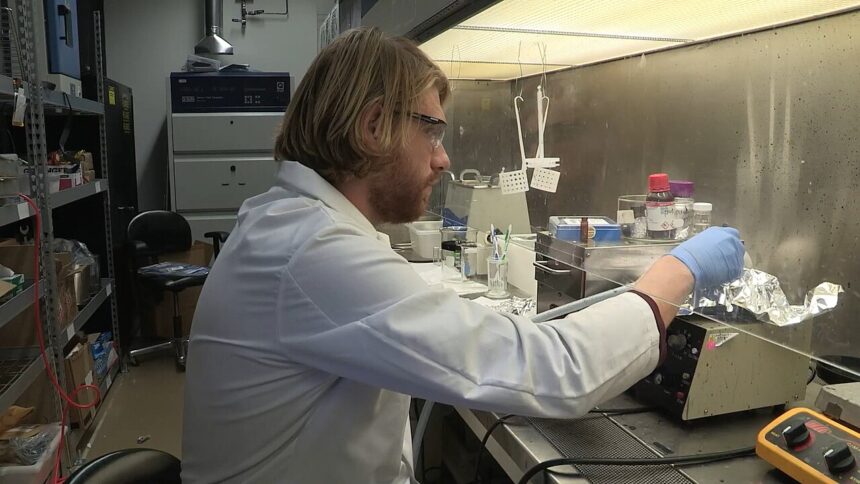
Recent headlines claimed taurine fuels cancer, but a Nature study of leukemia cells in mice was misrepresented. Taurine was not shown to cause cancer; rather, existing cancer cells can use it as a metabolic substrate—a mechanism distinct from dietary risk. — A scientist working in a laboratory.jpg by Stanford ENERGY, Video by Mark Shwartz / CC BY 2.5 via Wikimedia Commons (CC BY 2.5)
SHARE
1 min read|134 words

Recent media coverage claimed that taurine, a common dietary supplement and energy drink ingredient, fuels cancer growth. However, a landmark Nature study examining leukemia cell metabolism in mice tells a more nuanced story. Researchers found that existing cancer cells can utilize taurine as a metabolic substrate—but this does not mean taurine causes, initiates, or promotes cancer development. The critical distinction lies in understanding that cancer cells hijack many normal nutrients, including glucose and amino acids, to sustain their growth. This metabolic behavior is inherent to cancer biology, not a property of the nutrient itself. The study focused on laboratory leukemia models, not human dietary exposure. Understanding the difference between what happens in petri dishes and what occurs in human health is essential for informed health decision-making. Read the full article on GMJ Newsroom.

Was this article helpful?

GMJ Brief · Announcement

📰 Read the full article: Taurine and Cancer: Separating Laboratory Findings from Dietary Risk →

Related reference
  • Taurine · Ingredient
Share This Article
Facebook LinkedIn Bluesky Copy Link Print
GMJ
ByProf. Giorgi Pkhakadze
Follow:
Prof. Giorgi Pkhakadze, MD, MPH, PhD, is Editor-in-Chief of the Georgian Medical Journal and Chair of the Public Health Institute of Georgia (PHIG). He is Professor and Head of the Department of Social and Behavioural Sciences at David Tvildiani Medical University, and Secretary/Treasurer of the UEMS Section of Public Health. ORCID: 0000-0001-7609-4515.

Submit Your Paper →

Georgia's peer-reviewed open-access medical journal. No APC until January 2027.
Submit Manuscript →
Bedroom Light at Night Linked to Metabolic Harm: What the Evidence Shows

Moderate bedroom light exposure triggers measurable metabolic harm within a single night…

Creatine and Kidney Damage: What the Evidence Actually Shows

A 2025 systematic review of 21 studies and analysis of 685 clinical…

How neurotransmitters orchestrate mood, sleep, and cognition: a biochemical primer

Brain function depends on chemical communication between neurons through neurotransmitters. Twelve major…

Submit Your Paper to GMJ

No APC until January 2027.
Submit Manuscript →

You Might Also Like

Illustration of artificial intelligence analyzing electronic health records for adverse drug event detection

Three Ways AI Is Reshaping Pharmaceutical Safety Surveillance

By
Prof. Giorgi Pkhakadze
11/08/2026
Humanitarian crisis in South Sudan showing statistics on food insecurity and child malnutrition

South Sudan’s Perfect Storm: How Conflict, Climate, and Economics Collide in Humanitarian Catastrophe

By
Prof. Giorgi Pkhakadze
29/06/2026
Clinical UpdatesHealth PolicyPolicy & SystemsPractice

WHO approves first diagnostic test for Ebola Bundibugyo virus amid outbreak

By
Prof. Giorgi Pkhakadze
06/07/2026
Laboratory blood test tubes with magnesium deficiency diagnostic chart

48% of Adults May Have Hidden Magnesium Deficiency Despite Normal Blood Tests

By
Prof. Giorgi Pkhakadze
24/05/2026
Facebook Twitter Youtube Instagram
Company
  • Privacy Policy
  • Contact US
  • GMJ Journal
  • Submit Manuscript
  • Editorial Team
  • Register at GMJ
  • Terms of Use

Subscribe to GMJ News — Click here

Join Community
© 2026 Georgian Medical Journal (GMJ). Published by the Public Health Institute of Georgia (PHIG). All rights reserved.
Welcome Back!

Sign in to your account

Username or Email Address
Password

Lost your password?

Not a member? Sign Up