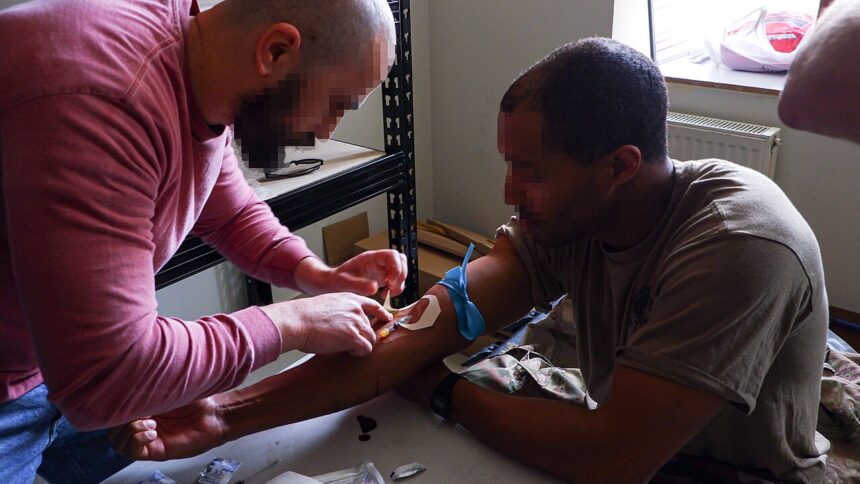
A new study in The Lancet Regional Americas delivers three critical insights for military healthcare providers treating special operations forces: first, combat trauma effects are inherently cumulative and multi-system rather than confined to post-traumatic stress disorder alone. Second, behavioral, biological, and physiological sequelae represent interconnected consequences of trauma exposure, not separate clinical entities.
Third, and most importantly for clinical practice, the interconnected nature of these health consequences demands integrated team-based treatment approaches spanning multiple medical specialties. Single-discipline interventions may be insufficient for addressing the full scope of trauma burden in SOF personnel.
These practical implications suggest that military medicine should reevaluate current assessment and treatment protocols to reflect the systemic nature of combat trauma. Comprehensive, multi-specialty care models may be essential for improving outcomes in this population.
Was this article helpful?