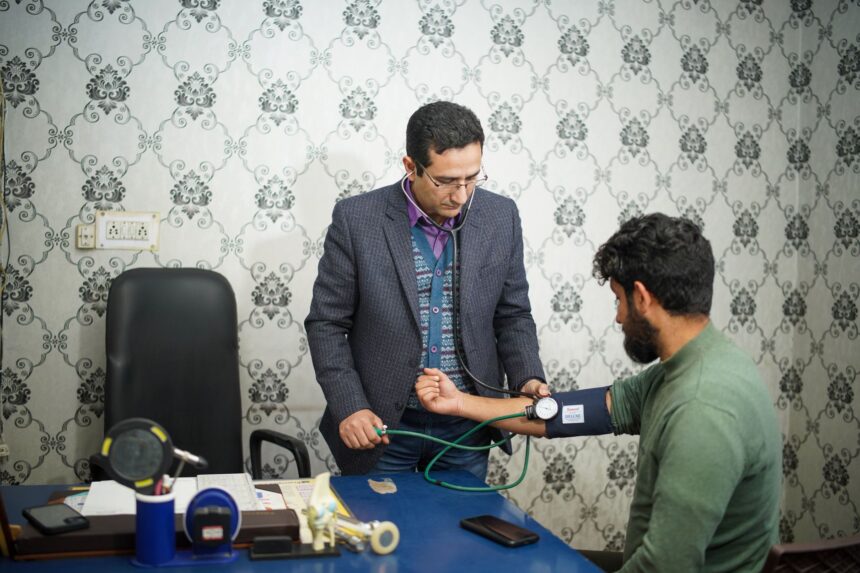
The Ohio State University Wexner Medical Center survey reveals three critical findings that young adults should understand: first, approximately 30 percent of peers lack any primary care physician whatsoever. Second, even among those with established relationships, irregular contact undermines the protective benefits of preventive care. Third, this disconnect creates measurable health risks, including delayed detection of chronic disease risk factors and reduced engagement with evidence-based screening programmes.
For young adults, establishing and maintaining a stable primary care relationship is not a luxury but a health investment. A dedicated primary care physician serves as a medical advocate, coordinates care, monitors health trends, and identifies emerging risks during a critical window for intervention. Healthcare experts recommend that all young adults identify a trusted primary care provider and commit to regular, meaningful engagement with preventive health services.
Was this article helpful?