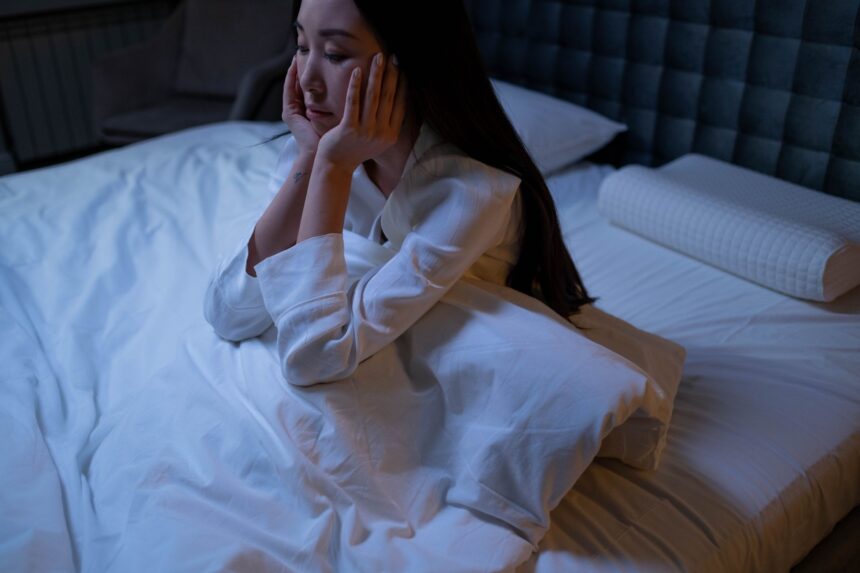
Research published in the Proceedings of the National Academy of Sciences reveals that moderate ambient light in the bedroom—as dim as a hallway nightlight—produces measurable disruptions to insulin sensitivity and heart rate variability within a single night. The findings raise concerns about how standard home lighting environments may compromise cardiometabolic health over time.
A 42-month population cohort study of elderly Japanese adults without baseline diabetes demonstrated that bedroom light exposure averaging just 5 lux or higher was associated with a 3.74-fold increase in diabetes incidence compared to darker sleep conditions. Despite these findings, most people believe their bedrooms are sufficiently dark, suggesting a significant gap between perceived and objective metabolic safety thresholds.
These results underscore the importance of reassessing sleep environment standards and bedroom lighting recommendations as part of preventive health strategies.
Was this article helpful?