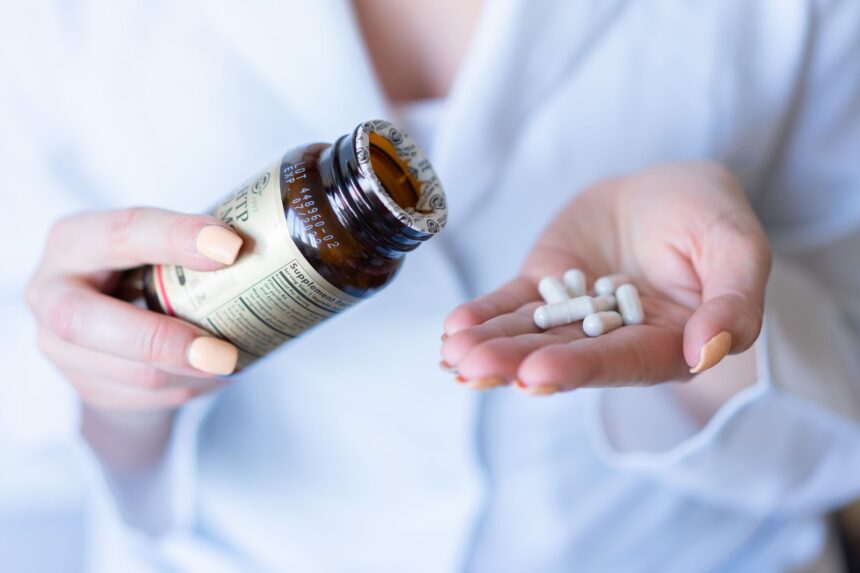
A landmark pharmacokinetic study reveals a counterintuitive truth about vitamin B12 supplementation: as oral doses increase dramatically, absorption efficiency plummets, yet absolute B12 delivery rises substantially. At 1 microgram, approximately 50% of the dose is retained; at 5 micrograms, only 20% is retained; and at 1,000 micrograms, just 1.3% is retained. Yet this apparent inefficiency masks a critical advantage.
At the highest supplement dose of 1,000 micrograms, passive diffusion absorbs roughly 10 micrograms of B12—exceeding the recommended daily allowance of 2.4 micrograms fourfold. This mechanism functions entirely independently of intrinsic factor, the stomach protein that typically mediates B12 absorption but saturates at only 1.5 micrograms per dose. For patients with pernicious anaemia or intrinsic factor deficiency, this finding provides strong evidence supporting high-dose oral B12 as a viable therapeutic alternative to intramuscular injection, according to current NIH guidelines.
Read the full article on GMJ Newsroom.
Was this article helpful?