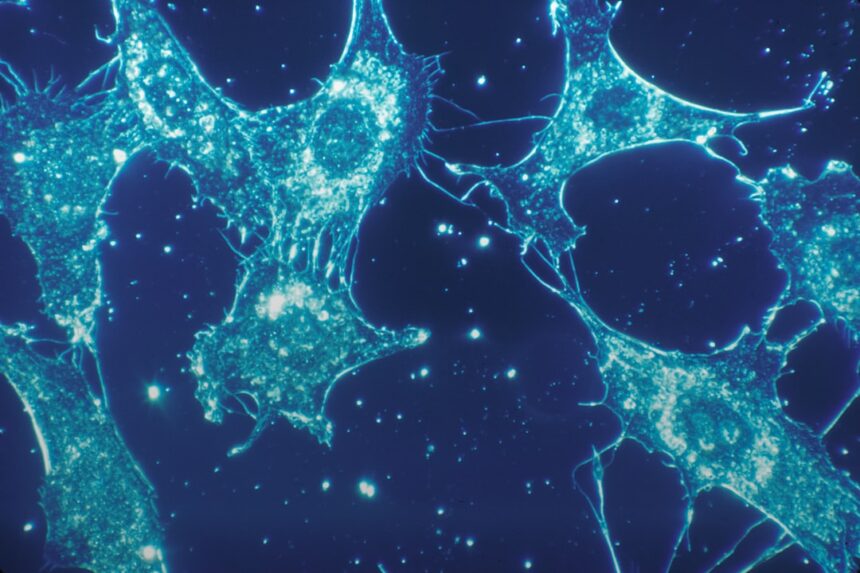
Actin, a ubiquitous cytoplasmic protein found in nearly every human cell, orchestrates some of life’s most fundamental processes through an elegant mechanism of dynamic self-organization. Rather than following a predetermined genetic blueprint, cells continuously assemble and disassemble actin networks in response to local molecular signals, enabling muscle contraction, immune cell migration, and cellular division. This remarkable capacity for real-time adaptation occurs within seconds, allowing cells to respond to environmental demands with remarkable precision. The process exemplifies how biological systems achieve resilience not through rigid structures, but through dynamic, responsive networks. Understanding actin’s mechanisms offers insights into normal cellular physiology and reveals how dysregulation contributes to diseases ranging from muscular dystrophy to metastatic cancer. This molecular-level view of cellular adaptation challenges traditional notions of biological determinism and highlights the flexibility inherent in living systems.
Was this article helpful?