By using this site, you agree to the Privacy Policy and Terms of Use.
Accept
GMJ NewsGMJ NewsGMJ News
  • Latest News
    • GMJ Briefs
  • Podcast & Media
    • Podcast Episodes
    • GMJ Audio
    • GMJ Videos
  • Research Digest
    • New Studies
    • Georgian Research
    • Data & Numbers
  • Policy & Systems
    • Health Policy
    • Quality & Safety
    • Migration & Health
    • Global Health
  • Practice
    • Clinical Updates
    • Case Discussions
    • Pharmacy & Prescribing
    • Ingredients A-Z
  • Perspectives
    • Editorial
    • Explainers
    • Voices
    • Letters
  • GMJ Articles
    • Vol. 1 Issue 2 (2026)
    • Vol. 1 Issue 1 (2026)
    • Pre-Launch Articles (2025)
  • Read the Journal →
  • About GMJ News
Notification Show More
Font ResizerAa
GMJ NewsGMJ News
Font ResizerAa
  • Latest News
    • GMJ Briefs
  • Podcast & Media
    • Podcast Episodes
    • GMJ Audio
    • GMJ Videos
  • Research Digest
    • New Studies
    • Georgian Research
    • Data & Numbers
  • Policy & Systems
    • Health Policy
    • Quality & Safety
    • Migration & Health
    • Global Health
  • Practice
    • Clinical Updates
    • Case Discussions
    • Pharmacy & Prescribing
    • Ingredients A-Z
  • Perspectives
    • Editorial
    • Explainers
    • Voices
    • Letters
  • GMJ Articles
    • Vol. 1 Issue 2 (2026)
    • Vol. 1 Issue 1 (2026)
    • Pre-Launch Articles (2025)
  • Read the Journal →
  • About GMJ News
Follow US
GMJ News > Research Digest > New Studies > Gut Microbiome Changes Precede Brain Symptoms in Parkinson’s Disease, Global Analysis Reveals
New Studies

Gut Microbiome Changes Precede Brain Symptoms in Parkinson’s Disease, Global Analysis Reveals

GMJ
Last updated: 25/05/2026 16:36
By
GMJ Research Desk
Share
7 Min Read
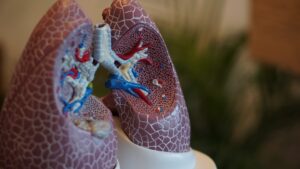
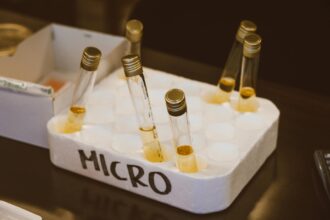
Scientific illustration showing gut-brain connection in Parkinson's disease progression
Global metagenomic analysis reveals that critical gut microbiome changes precede brain symptoms in Parkinson's disease. Two common microbial compounds systematically disappear before neurological symptoms manifest, potentially offering new opportunities for early detection and intervention. — Photo: Edward Jenner / Pexels
SHARE
🎧 Listen to this article5:29 min · 789 words · GMJ Audio

Updated 25/05/2026

Contents
  • Gut-First Hypothesis Gains Scientific Support
  • Two Key Compounds Drive Protective Mechanisms
  • Clinical Implications for Early Detection
  • Therapeutic Restoration Shows Promise
    • Key takeaways
  • Frequently asked questions
    • How early can gut microbiome changes be detected in Parkinson’s disease?
    • Can restoring these microbial compounds prevent Parkinson’s progression?
    • Are these gut changes specific to Parkinson’s or found in other neurodegenerative diseases?
3 min read|590 words

A comprehensive global metagenomic analysis has revealed that critical changes in gut microbiology occur before the classic brain symptoms of Parkinson’s disease manifest. The research demonstrates that two common microbial compounds found in everyday foods systematically disappear from the gut microbiome of Parkinson’s patients, potentially triggering a cascade of protective failures that precede neurodegeneration.

6.1 million
people worldwide living with Parkinson’s disease in 2016

Gut-First Hypothesis Gains Scientific Support

The findings challenge the traditional brain-first model of Parkinson’s disease pathogenesis. The depletion of protective microbial pathways occurs systematically across diverse populations, suggesting a fundamental role in disease initiation rather than consequence.

The research demonstrates that when these essential microbial compounds disappear, gut barrier function deteriorates and protective metabolite production falls dramatically. This creates an environment where enteric neurons become increasingly vulnerable to toxic accumulation, potentially initiating the pathological cascade that eventually reaches the brain through the vagus nerve pathway.

Submit Your Paper
GMJ_Submit_Banner

Two Key Compounds Drive Protective Mechanisms

The metagenomic analysis identified two specific microbial compounds that are consistently depleted across Parkinson’s patients globally. These compounds, commonly found in everyday foods, normally support crucial protective functions including maintenance of the intestinal barrier and production of neuroprotective metabolites, according to findings published in Nature Medicine.

🎙️ Related Podcast Episodes
🎧 #54 | GMJ Podcast | The Blueprint of a Medical Journal: Designing an Open-Access Scientific Platform · 19m
🎧 #53 | GMJ Podcast | Palliative Care in Georgia — Health System Gaps, Access Barriers, and Policy Implications · 16m
🎧 #37 | GMJ Podcast | NAD⁺ Injections and “NAD Boosters” — Public Health Risks and Regulatory Implications · 20m
🎧 #33 | GMJ Podcast | Public Health Policy as Education in NCD Prevention — Commentary by Owen Thomas · 21m
🎧 #19 | WHO Releases ICD-11 2026 Update: The Global Standard for Health Data · 19m

When microbial pathways responsible for processing these compounds fail, the gut loses critical defense mechanisms against oxidative stress and inflammation.

Clinical Implications for Early Detection

The discovery opens new avenues for early detection and intervention strategies. Research published in The Lancet Neurology suggests that monitoring gut microbial signatures could identify at-risk individuals years before classic Parkinsonian symptoms emerge, potentially allowing for preventive interventions during the prodromal phase.

Clinical trials are now investigating whether restoring these depleted microbial pathways through targeted interventions can slow or prevent disease progression. The therapeutic approach represents a significant shift from symptomatic treatment to addressing root biological mechanisms underlying neurodegeneration.

Therapeutic Restoration Shows Promise

According to research from the Gut journal, interventions targeting these specific compounds have demonstrated measurable improvements in both gastrointestinal function and neuroprotective marker levels in early-stage patients.

The approach differs fundamentally from current dopamine replacement therapies by addressing upstream biological mechanisms rather than downstream symptoms. This paradigm shift toward microbiome-targeted interventions could transform Parkinson’s treatment from reactive symptom management to proactive neuroprotection.

Key takeaways

  • Global metagenomic analysis reveals systematic depletion of two protective microbial compounds in Parkinson’s patients
  • Gut microbiome changes precede brain symptoms, supporting gut-first disease hypothesis
  • Loss of these compounds weakens intestinal barriers and reduces neuroprotective metabolites
  • Therapeutic restoration of depleted pathways shows promise for disease modification

Frequently asked questions

How early can gut microbiome changes be detected in Parkinson’s disease?

Microbial pathway depletion can occur years before motor symptoms appear. This extended prodromal window offers significant opportunities for preventive intervention and early detection strategies.

Can restoring these microbial compounds prevent Parkinson’s progression?

Clinical trials are currently investigating this possibility. Early data suggests therapeutic restoration may slow disease progression and improve neuroprotective mechanisms, though definitive results require longer follow-up periods.

Are these gut changes specific to Parkinson’s or found in other neurodegenerative diseases?

The specific pattern of microbial compound depletion appears unique to Parkinson’s disease. Other neurodegenerative conditions show different microbiome signatures, suggesting disease-specific gut-brain pathways.

The recognition of gut microbiome changes as primary drivers rather than secondary consequences of Parkinson’s disease represents a fundamental shift in understanding neurodegeneration. As clinical trials advance and therapeutic interventions targeting these depleted pathways show promise, the potential for transforming Parkinson’s treatment from reactive symptom management to proactive neuroprotection continues to grow.

Source: Parkinson’s is often framed as a brain-first disorder, but some of its earliest changes unfold in the gut

Was this article helpful?

Disclaimer. This article is health journalism intended for general information and education. It is not medical advice and is not a substitute for professional diagnosis or treatment. Always consult a qualified healthcare provider about your individual circumstances. Full disclaimer →

Related Coverage
Cannabis Edibles and Alcohol Create Hidden Impairment Risk for Drivers, Johns Hopkins Study RevealsJun 10, 2026
Digital Twins of Donor Lungs Could Transform Transplant MedicineJun 10, 2026
Breakthrough Drug Shows 75% Response Rate in Hard-to-Treat Lung CancerJun 10, 2026
Mirror-image pain after stroke linked to LPA-driven inflammation crossing brain hemispheresJun 10, 2026
Related reference
  • Iron · Ingredient
PG
Written by
Prof. Giorgi Pkhakadze, MD, MPH, PhD
Editor-in-Chief, GMJ News
Full profile →
Medical disclaimer. This article is health journalism intended for general information. It is not medical advice and is not a substitute for consultation with a qualified healthcare professional. Always seek your physician's advice regarding any medical condition.
Medically reviewed by Prof. Giorgi Pkhakadze, MD, MPH, PhD. Spotted an error? Contact the editorial team.
Get the GMJ News digest
Evidence-based health journalism in your inbox. No spam; unsubscribe anytime.
TAGGED:early detectiongut microbiomeneurodegenerationneuroprotectionParkinson's disease
Share This Article
Facebook LinkedIn Bluesky Copy Link Print
GMJ
ByGMJ Research Desk
Follow:
GMJ Research Desk is part of GMJ News, the newsroom of the Georgian Medical Journal (gmj.ge), published by the Public Health Institute of Georgia. Every article is editorially reviewed before publication.
Leave a Comment Leave a Comment

Leave a Reply Cancel reply

Your email address will not be published. Required fields are marked *

Submit Your Paper →

Georgia's peer-reviewed open-access medical journal. No APC until January 2027.
Submit Manuscript →
Cannabis Edibles and Alcohol Create Hidden Impairment Risk for Drivers, Johns Hopkins Study Reveals

New Johns Hopkins research reveals that combining cannabis edibles with alcohol increases…

Digital Twins of Donor Lungs Could Transform Transplant Medicine

Researchers create digital twins of donor lungs using ex vivo perfusion data,…

Breakthrough Drug Shows 75% Response Rate in Hard-to-Treat Lung Cancer

Sunvozertinib achieved a 75% response rate in previously untreated lung cancer patients…

Submit Your Paper to GMJ

No APC until January 2027.
Submit Manuscript →

You Might Also Like

Chart showing declining neural tube defect rates following folic acid fortification programs globally
New Studies

Folic Acid Fortification Reduces Neural Tube Defects by 36% Despite MTHFR Gene Concerns

By
GMJ Research Desk
22/05/2026
Infographic showing percentage changes in seven physiological systems after sleep restriction
New Studies

Sleep Loss Triggers Simultaneous Breakdown Across Seven Body Systems

By
GMJ Research Desk
21/05/2026
Scientific illustration showing CAR-T cells attacking cancer with molecular pathway highlighted
New StudiesResearch Digest

Single protein discovery could unlock CAR-T cell therapy’s full potential

By
GMJ Research Desk
06/06/2026
Children laughing during therapeutic play session showing brain development benefits
New StudiesResearch Digest

Laughter Helps Children’s Brain Resilience and Learning, Says Child Development Expert

By
GMJ Research Desk
28/05/2026
Facebook Twitter Youtube Instagram
Company
  • Privacy Policy
  • Contact US
  • GMJ Journal
  • Submit Manuscript
  • Editorial Team
  • Register at GMJ
  • Terms of Use

Subscribe to GMJ News — Click here

Join Community
© 2026 Georgian Medical Journal (GMJ). Published by the Public Health Institute of Georgia (PHIG). All rights reserved.
Welcome Back!

Sign in to your account

Username or Email Address
Password

Lost your password?

Not a member? Sign Up