Updated 25/05/2026
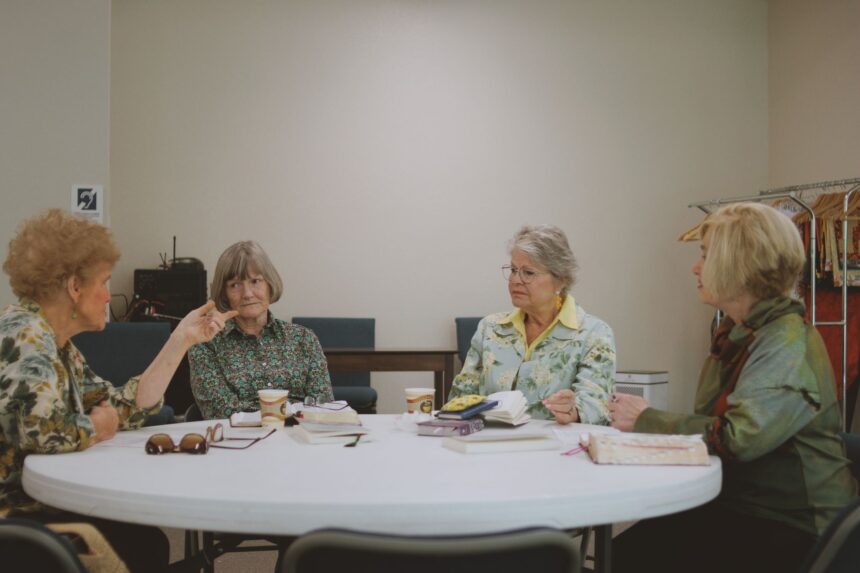
Comedian and actress Dawn French has highlighted the pervasive issue of loneliness among older women during a candid discussion on BBC Radio 4’s Woman’s Hour. French emphasized how social isolation can affect individuals regardless of their social circumstances, noting that meaningful connection extends far beyond physical proximity to others.
Loneliness rates by age group in the UK
Percentage reporting chronic loneliness across different demographics, 2023
Source: Age UK, 2023 | Georgian Medical Journal News

The Hidden Nature of Social Isolation
French’s observation that “people can feel lonely in a crowd” reflects research findings from the University of Chicago showing that loneliness is fundamentally about perceived social isolation rather than objective social contact. The discussion highlighted how older women, in particular, face unique challenges in maintaining meaningful social connections as they age.
According to research published by Age UK, women over 75 are significantly more likely than men to live alone, with 49% of women in this age group living in single-person households compared to 29% of men.
Health Implications of Chronic Loneliness
A meta-analysis by Dr. Julianne Holt-Lunstad from Brigham Young University published in PLOS Medicine demonstrates that social isolation increases mortality risk by 26-32%, comparable to the health impact of smoking or obesity.
Dr. Julianne Holt-Lunstad’s research has documented that the physiological effects include increased inflammation, elevated cortisol levels, and compromised immune function. These findings underscore the importance of addressing loneliness as a serious clinical concern rather than merely a social issue.
Addressing the Loneliness Epidemic
The UK government appointed a Minister for Loneliness in 2018, following research showing 9 million people often or always feel lonely. Research published in Clinical Psychological Science shows that cognitive behavioral approaches addressing negative thought patterns about social relationships are more effective than simply increasing social opportunities. This research supports French’s emphasis on meaningful connection over mere social presence.
Social isolation increases mortality risk by 26-32%, equivalent to the health impact of smoking 15 cigarettes daily or being obese
— Dr. Julianne Holt-Lunstad, Brigham Young University (PLOS Medicine, 2015)
Key takeaways
- 3.83 million older people in the UK experience chronic loneliness, with women over 75 disproportionately affected
- Loneliness increases mortality risk by 26-32%, comparable to smoking or obesity
- Quality of relationships matters more than quantity of social contacts for addressing loneliness
- Cognitive behavioral interventions show greater effectiveness than simply increasing social opportunities
Frequently asked questions
Why are older women more likely to experience loneliness?
Women typically live longer than men and are more likely to be widowed. Additionally, 49% of women over 75 live alone compared to 29% of men in the same age group, according to Age UK research.
How does loneliness affect physical health?
According to Dr. Julianne Holt-Lunstad’s research, chronic loneliness triggers inflammatory responses, elevates stress hormones like cortisol, and compromises immune function. Research shows it increases mortality risk by 26-32%, equivalent to smoking 15 cigarettes daily.
What interventions are most effective for treating loneliness?
Research published in Clinical Psychological Science indicates that cognitive behavioral approaches addressing negative thought patterns about relationships are more effective than simply increasing social contact opportunities. Quality of connection matters more than quantity of interactions.
As public awareness of loneliness as a health crisis continues to grow, discussions like French’s contribute to destigmatizing the experience while highlighting the need for evidence-based interventions. The integration of loneliness screening into routine healthcare assessments and the development of targeted support programs for vulnerable populations, particularly older women, represent crucial next steps in addressing this epidemic.
Source: ‘People can feel lonely in a crowd’
Was this article helpful?
Disclaimer. This article is health journalism intended for general information and education. It is not medical advice and is not a substitute for professional diagnosis or treatment. Always consult a qualified healthcare provider about your individual circumstances. Full disclaimer →
Related Coverage



Medically reviewed by Prof. Giorgi Pkhakadze, MD, MPH, PhD. Spotted an error? Contact the editorial team.