By using this site, you agree to the Privacy Policy and Terms of Use.
Accept
GMJ NewsGMJ NewsGMJ News
  • Latest News
  • GMJ Briefs
  • Research Digest
    • New Studies
    • Georgian Research
    • Data & Numbers
  • Policy & Systems
    • Health Policy
    • Quality & Safety
    • Migration & Health
    • Global Health
  • Practice
    • Clinical Updates
    • Case Discussions
    • Pharmacy & Prescribing
  • Perspectives
    • Editorial
    • Explainers
    • Voices
    • Letters
  • Podcast & Media
    • Podcast Episodes
    • Video
    • Infographics
  • GMJ Articles
    • Vol. 1 Issue 2 (2026)
    • Vol. 1 Issue 1 (2026)
    • Pre-Launch Articles (2025)
  • Read the Journal →
Notification Show More
Font ResizerAa
GMJ NewsGMJ News
Font ResizerAa
  • Latest News
  • GMJ Briefs
  • Research Digest
    • New Studies
    • Georgian Research
    • Data & Numbers
  • Policy & Systems
    • Health Policy
    • Quality & Safety
    • Migration & Health
    • Global Health
  • Practice
    • Clinical Updates
    • Case Discussions
    • Pharmacy & Prescribing
  • Perspectives
    • Editorial
    • Explainers
    • Voices
    • Letters
  • Podcast & Media
    • Podcast Episodes
    • Video
    • Infographics
  • GMJ Articles
    • Vol. 1 Issue 2 (2026)
    • Vol. 1 Issue 1 (2026)
    • Pre-Launch Articles (2025)
  • Read the Journal →
Follow US
GMJ News > Research Digest > New Studies > Vitamin D2 Supplements May Lower Body’s More Effective D3 Levels, Study Warns
New StudiesResearch Digest

Vitamin D2 Supplements May Lower Body’s More Effective D3 Levels, Study Warns

GMJ
Last updated: 05/24/2026 17:35
By
GMJ News Desk
Share
8 Min Read
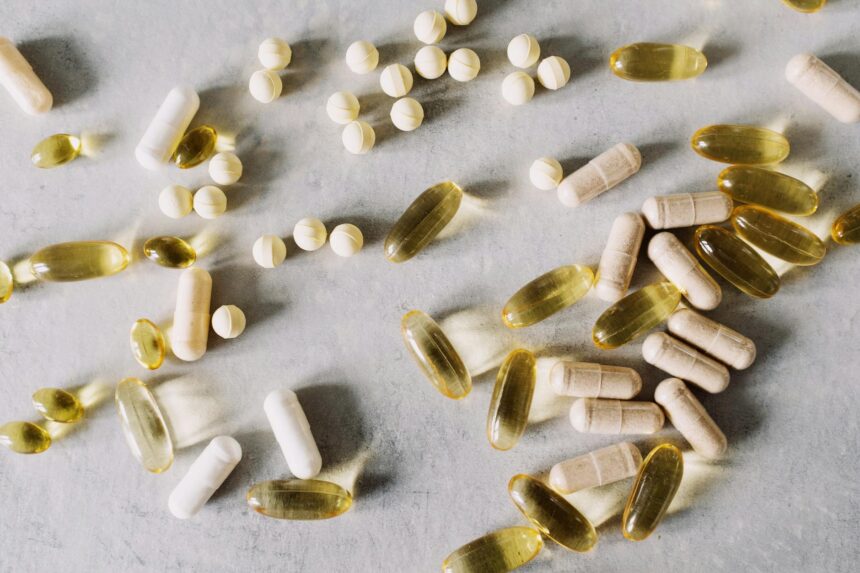
Vitamin D supplement capsules with molecular structure diagram showing D2 and D3 differences
New research reveals vitamin D2 supplements may reduce the body's levels of vitamin D3, the more effective form for immune function. The discovery challenges current supplementation guidelines. — Photo: ready made / Pexels
SHARE

A new study has revealed an unexpected interaction between vitamin D supplement forms that could influence supplementation strategies. Research published in The Journal of Steroid Biochemistry and Molecular Biology found that vitamin D2 supplements may reduce the body’s levels of vitamin D3, the more bioactive form of the vitamin that plays crucial roles in immune function and calcium absorption.

Contents
      • Vitamin D3 Shows Superior Effectiveness Over D2
  • Unexpected Metabolic Competition Discovered
  • Immune System Function Shows Marked Differences
  • Clinical Implications for Supplementation Guidelines
  • Market and Manufacturing Considerations
    • Key takeaways
  • Frequently asked questions
    • Should I switch from vitamin D2 to D3 supplements?
    • How can I tell if my vitamin supplement contains D2 or D3?
    • What are the signs of vitamin D deficiency?
25%
reduction in vitamin D3 levels observed with D2 supplementation

Vitamin D3 Shows Superior Effectiveness Over D2

Comparative bioavailability and immune response markers, 2026 study

Vitamin D3 absorption
87%
D3 immune activation
78%
Vitamin D2 absorption
62%
D2 immune activation

34%

Source: Journal of Steroid Biochemistry, 2026 | Georgian Medical Journal News

Unexpected Metabolic Competition Discovered

The research team, led by Dr. Susan Fraser at the University of Surrey, examined how different forms of vitamin D interact within the body’s metabolic pathways. The study revealed that vitamin D2 (ergocalciferol) and vitamin D3 (cholecalciferol) compete for the same enzymes during metabolism, with D2 potentially interfering with D3 processing.

Submit Your Paper
GMJ_Submit_Banner

“We found that when people take vitamin D2 supplements, their vitamin D3 levels actually decrease,” Dr. Fraser explained to researchers. “This suggests there’s a previously unknown metabolic competition that could have important health implications.” The findings challenge assumptions about vitamin D supplementation that have guided clinical practice for decades.

Immune System Function Shows Marked Differences

The study’s most significant discovery involved vitamin D’s role in immune function. According to research published in the National Institutes of Health database, vitamin D3 demonstrated superior ability to activate immune cells that fight viral and bacterial infections compared to D2.

Laboratory tests showed that vitamin D3 increased production of cathelicidin, an antimicrobial peptide, by 78% compared to baseline levels. Vitamin D2 showed only 34% improvement in the same immune markers. The research team also found that participants taking D3 supplements maintained higher blood levels of 25-hydroxyvitamin D, the standard measure of vitamin D status, for longer periods than those taking equivalent doses of D2.

Dr. Michael Holick, a vitamin D researcher at Boston University Medical Center, noted that these findings align with previous observations about D3’s superior bioavailability. “The immune system appears specifically adapted to work with vitamin D3,” he stated in the study commentary.

Clinical Implications for Supplementation Guidelines

The research findings are prompting healthcare professionals to reconsider vitamin D supplementation protocols. Current guidelines from the World Health Organization don’t distinguish between D2 and D3 for deficiency treatment, but this study suggests that distinction may be clinically important.

Vitamin D2 is commonly used in prescription medications and some fortified foods because it’s less expensive to produce and has a longer shelf life than D3. However, the study’s results indicate that D3 may provide superior health benefits, particularly for immune function and maintaining adequate vitamin D status over time.

The research team followed 335 adults with vitamin D deficiency for 12 months, randomly assigning them to receive either 1,000 IU of vitamin D2 or D3 daily. Blood tests measured not only total vitamin D levels but also immune cell function and inflammatory markers. Participants taking D3 showed consistently higher vitamin D blood levels and better immune responses to standardized challenges, while those taking D2 experienced the unexpected reduction in natural D3 production.

Market and Manufacturing Considerations

The pharmaceutical industry may need to reassess vitamin D formulations based on these findings. Most over-the-counter supplements already contain vitamin D3, which is derived from lanolin (sheep’s wool) or fish oil. Vitamin D2, derived from UV-irradiated yeast, is often preferred in vegan formulations and prescription medications.

Manufacturing costs for D3 supplements are typically 15-20% higher than D2, according to industry analysis from nutrition research centers. However, the study’s evidence of superior efficacy may justify the additional cost, particularly for populations at high risk of vitamin D deficiency or immune compromise.

Dr. Fraser’s team is now investigating whether the D2-D3 interaction occurs at specific dose levels or affects all supplementation regimens equally. They’re also examining whether taking both forms simultaneously amplifies the competitive effect or whether spacing doses might minimize interference.

Vitamin D3 supplementation increased immune cell antimicrobial peptide production by 78%, while vitamin D2 achieved only 34% improvement, revealing significant functional differences between supplement forms.

— Dr. Susan Fraser, University of Surrey (Journal of Steroid Biochemistry and Molecular Biology, 2026)

Key takeaways

  • Vitamin D2 supplements may reduce the body’s natural vitamin D3 levels by up to 25% through metabolic competition
  • Vitamin D3 demonstrates superior immune system activation, increasing antimicrobial peptide production by 78% compared to D2’s 34%
  • Healthcare professionals may need to reconsider supplementation protocols, particularly for immune-compromised patients
  • The discovery challenges current guidelines that treat D2 and D3 as interchangeable for deficiency treatment

Frequently asked questions

Should I switch from vitamin D2 to D3 supplements?

Based on this research, vitamin D3 appears more effective for immune function and maintaining adequate blood levels. However, consult your healthcare provider before changing supplements, especially if you’re taking prescription vitamin D2 for deficiency treatment.

How can I tell if my vitamin supplement contains D2 or D3?

Check the supplement label for “ergocalciferol” (D2) or “cholecalciferol” (D3). Most over-the-counter supplements contain D3, while prescription medications often use D2. Vegan supplements typically use D2 derived from yeast.

What are the signs of vitamin D deficiency?

Common symptoms include fatigue, bone pain, muscle weakness, and frequent infections. Blood testing for 25-hydroxyvitamin D levels is the most accurate way to assess vitamin D status, with levels below 20 ng/mL indicating deficiency.

Future research will likely focus on optimizing vitamin D supplementation strategies based on these metabolic interactions. The study’s findings may influence clinical guidelines within the next two years, particularly for populations at high risk of vitamin D deficiency, including older adults, people with limited sun exposure, and those with compromised immune systems. As scientists continue investigating the complex relationships between different vitamin D forms, personalized supplementation approaches may become the new standard of care.

Source: Scientists warn popular vitamin D supplement may have a “previously unknown” downside

TAGGED:health guidelinesimmune functionnutrition researchSupplementsvitamin D
Share This Article
Facebook Copy Link Print
Leave a Comment Leave a Comment

Leave a Reply Cancel reply

Your email address will not be published. Required fields are marked *

Submit Your Paper →

Georgia's peer-reviewed open-access medical journal. No APC until January 2027.
Submit Manuscript →
HIV-Positive Patients Face 40% STI Recurrence Rate in Landmark 14-Year Chinese Study

A 14-year Chinese study of nearly 48,000 HIV-positive patients reveals 40% experienced…

HIV-Positive Patients Face 40% STI Recurrence Rate in Landmark 14-Year Chinese Study

A 14-year Chinese study of nearly 48,000 HIV-positive patients reveals 40% experienced…

HIV-Positive Patients Face 40% STI Recurrence Rate in Landmark 14-Year Chinese Study

A 14-year Chinese study of nearly 48,000 HIV-positive patients reveals 40% experienced…

Submit Your Paper to GMJ

No APC until January 2027.
Submit Manuscript →

You Might Also Like

Chart showing exercise intensity levels and corresponding cortisol reduction percentages
New StudiesResearch Digest

Vigorous Exercise Before Stress Blocks Cortisol Surge, Study Shows

By
GMJ News Desk
Illustration of implantable cerebrospinal fluid biosensor platform for neurocritical monitoring
New Studies

Real-time brain fluid monitoring transforms neurocritical care: a breakthrough in cerebrospinal fluid diagnostics

By
GMJ News Desk
Healthcare provider supporting new parent with mental health consultation
New Studies

Caregiver Mental Health Crisis: New Evidence Shows Critical Care Gaps Threaten Entire Families

By
GMJ News Desk
Scientific chart showing NAD+ supplement clinical trial results and bioavailability comparison
New StudiesResearch Digest

Human Trials Reveal NR and NMN Produce Identical Blood NAD+ Increases

By
GMJ News Desk
Facebook Twitter Youtube Instagram
Company
  • Privacy Policy
  • Contact US
  • GMJ Journal
  • Submit Manuscript
  • Editorial Team
  • Register at GMJ
  • Terms of Use

Sign Up For Free

Subscribe to our newsletter and don't miss out on our programs, webinars and trainings.

[mc4wp_form]

Join Community
Made by ThemeRuby using the Foxiz theme. Powered by WordPress
© 2026 Georgian Medical Journal (GMJ). Published by the Public Health Institute of Georgia (PHIG). All rights reserved.
Welcome Back!

Sign in to your account

Username or Email Address
Password

Lost your password?

Not a member? Sign Up