By using this site, you agree to the Privacy Policy and Terms of Use.
Accept
GMJ NewsGMJ NewsGMJ News
  • Latest News
    • GMJ Briefs
  • Podcast & Media
    • Podcast Episodes
    • GMJ Audio
    • GMJ Videos
  • Research Digest
    • New Studies
    • Georgian Research
    • Data & Numbers
  • Policy & Systems
    • Health Policy
    • Quality & Safety
    • Migration & Health
    • Global Health
  • Practice
    • Clinical Updates
    • Case Discussions
    • Pharmacy & Prescribing
    • Ingredients A-Z
  • Perspectives
    • Editorial
    • Explainers
    • Voices
    • Letters
  • GMJ Articles
    • Vol. 1 Issue 2 (2026)
    • Vol. 1 Issue 1 (2026)
    • Pre-Launch Articles (2025)
  • Read the Journal →
  • About GMJ News
Notification Show More
Font ResizerAa
GMJ NewsGMJ News
Font ResizerAa
  • Latest News
    • GMJ Briefs
  • Podcast & Media
    • Podcast Episodes
    • GMJ Audio
    • GMJ Videos
  • Research Digest
    • New Studies
    • Georgian Research
    • Data & Numbers
  • Policy & Systems
    • Health Policy
    • Quality & Safety
    • Migration & Health
    • Global Health
  • Practice
    • Clinical Updates
    • Case Discussions
    • Pharmacy & Prescribing
    • Ingredients A-Z
  • Perspectives
    • Editorial
    • Explainers
    • Voices
    • Letters
  • GMJ Articles
    • Vol. 1 Issue 2 (2026)
    • Vol. 1 Issue 1 (2026)
    • Pre-Launch Articles (2025)
  • Read the Journal →
  • About GMJ News
Follow US
GMJ News > Research Digest > New Studies > Vitamin C Refuels Immune Cells Rather Than Boosting Immunity, Study Shows
New StudiesResearch Digest

Vitamin C Refuels Immune Cells Rather Than Boosting Immunity, Study Shows

GMJ
Last updated: 28/05/2026 14:22
By
GMJ News Desk
Share
5 Min Read
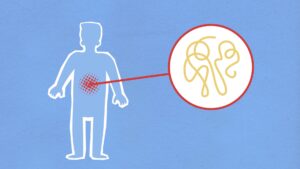
Scientific diagram showing neutrophil vitamin C concentration and immune cell function
New research reveals vitamin C doesn't boost immunity but refuels immune cells after they destroy pathogens. Neutrophils concentrate vitamin C at 80 times plasma levels to maintain killing capacity. — Photo: Gundula Vogel / Pexels
SHARE
🎧 Listen to this article4:35 min · 643 words · GMJ Audio
3 min read|643 words

Vitamin C does not “boost” the immune system as commonly believed, but instead serves a critical regenerative function by refueling immune cells after they destroy pathogens, according to research by Carr & Maggini published in Nutrients (2017).

Contents
      • Vitamin C Requirements for Immune Function
  • How Immune Cells Actually Use Vitamin C
  • Beyond the Immunity Myth
  • Clinical Applications and Dosing
    • Key takeaways
  • Frequently asked questions
    • Why doesn’t extra vitamin C prevent colds in healthy people?
    • When might higher vitamin C doses actually help?
    • How do neutrophils concentrate vitamin C so highly?
80 times
higher vitamin C concentration in neutrophils compared to blood plasma

Vitamin C Requirements for Immune Function

Daily intake needed for optimal neutrophil saturation, mg per day

Healthy Adults
200mg

Source: Carr & Maggini, Nutrients 2017 | Georgian Medical Journal News

How Immune Cells Actually Use Vitamin C

When neutrophils—the body’s frontline immune cells—encounter bacteria, they generate hypochlorous acid, the same chemical found in household bleach, to destroy the invading pathogens. This oxidative burst effectively kills bacteria but rapidly depletes the cell’s internal vitamin C reserves in the process, according to Carr & Maggini’s research in Nutrients (2017).

Submit Your Paper
GMJ_Submit_Banner

The key discovery is that neutrophils actively transport vitamin C from the bloodstream using an energy-requiring pump system. According to research by Carr and Maggini published in Nutrients, this creates vitamin C concentrations up to 80 times higher than plasma levels within the immune cells.

🎙️ Related Podcast Episodes
🎧 #37 | GMJ Podcast | NAD⁺ Injections and “NAD Boosters” — Public Health Risks and Regulatory Implications · 20m

For more insights on emerging research findings, our news service tracks the latest developments in medical science.

Beyond the Immunity Myth

The popular notion of vitamin C “boosting” immunity fundamentally misunderstands the biological mechanism at work. Rather than stimulating immune function, vitamin C serves a regenerative role, maintaining the antioxidant capacity that allows neutrophils to continue functioning across multiple pathogen encounters, according to Carr & Maggini’s research in Nutrients (2017).

This distinction matters clinically because it explains why vitamin C supplementation shows variable effects in healthy individuals versus those under physiological stress. The research demonstrates that plasma saturation occurs at approximately 200mg daily in healthy adults (Carr & Maggini, 2017).

The clinical implications extend beyond simple supplementation recommendations to understanding when vitamin C needs increase substantially.

Clinical Applications and Dosing

For healthy individuals consuming a varied diet, vitamin C requirements are typically met through food sources. However, clinical contexts significantly alter these needs, according to Carr & Maggini’s findings in Nutrients (2017).

During infection, surgery, or sustained physical stress, vitamin C status becomes rapidly depleted as immune cells work overtime. These situations place real demand on the cellular recharge mechanism, according to the research.

Understanding these mechanisms helps clinicians make evidence-based recommendations rather than relying on general “immune support” claims that lack biological precision.

Neutrophils actively pump vitamin C from bloodstream against concentration gradients, accumulating it at up to 80 times plasma levels to maintain antioxidant capacity between pathogen encounters

— Carr & Maggini, Nutrients (2017)

Key takeaways

  • Vitamin C refuels rather than boosts immune cells after they destroy pathogens using oxidative mechanisms (Carr & Maggini, 2017)
  • Daily intake of 200mg saturates plasma and neutrophil vitamin C levels in healthy individuals (Carr & Maggini, 2017)
  • Clinical stress, infection, or surgery dramatically increase vitamin C requirements for optimal immune function (Carr & Maggini, 2017)

Frequently asked questions

Why doesn’t extra vitamin C prevent colds in healthy people?

Because neutrophils are already saturated with vitamin C at normal dietary intakes around 200mg daily, according to Carr & Maggini (2017). Additional supplementation doesn’t increase intracellular levels in healthy individuals.

When might higher vitamin C doses actually help?

During periods of physiological stress like infection, surgery, or intense physical activity when immune cells rapidly deplete their vitamin C reserves, according to the research. These contexts place real demand on the cellular recharge mechanism.

How do neutrophils concentrate vitamin C so highly?

They use energy-requiring transport pumps to actively move vitamin C from blood plasma into the cell against concentration gradients, achieving levels up to 80 times higher than surrounding blood levels (Carr & Maggini, 2017).

This mechanistic understanding of vitamin C’s role in immune function represents a shift from simplistic “immune boosting” concepts toward precision medicine approaches based on the research findings of Carr & Maggini (2017).

Source: Vitamin C does not boost your immune system. It refuels the cells doing the actual “killing”

Was this article helpful?

Related Coverage

Paracetamol Poisoning Study Reveals High Risk of Repeated Attempts and Long-term MortalityJun 4, 2026
Open-Source AI Tool Improves Pancreatic Cancer Vascular Invasion Assessment Across Multiple CentresJun 4, 2026
Ecuador study reveals triple burden of malnutrition affecting 73% of childrenJun 4, 2026
BioNTech-Pfizer Bispecific Antibody Shows Promise in Advanced Lung Cancer at ASCO 2026Jun 4, 2026
TAGGED:clinical researchimmune systemneutrophilsNutritionvitamin C
Share This Article
Facebook LinkedIn Bluesky Copy Link Print
Leave a Comment Leave a Comment

Leave a Reply Cancel reply

Your email address will not be published. Required fields are marked *

Submit Your Paper →

Georgia's peer-reviewed open-access medical journal. No APC until January 2027.
Submit Manuscript →
Georgia Must Prioritize Health Worker Safety as Strategic National Goal

Healthcare worker safety in Georgia requires urgent strategic attention as the country…

AI Tool Detects Silent Bone Loss from Routine Chest X-rays Before Fractures Strike

New AI technology can detect early bone loss from routine chest X-rays,…

Ethiopia Integrates Oxytocin into Vaccine Cold Chain to Prevent Maternal Deaths

Ethiopia successfully integrated oxytocin storage into its vaccine cold chain system through…

Submit Your Paper to GMJ

No APC until January 2027.
Submit Manuscript →

You Might Also Like

Comparison chart showing liver and muscle glycogen recovery rates after exercise
New StudiesResearch Digest

Study shows liver recovers from exercise in 6 hours, muscles need 24 hours

By
GMJ News Desk
22/05/2026
Illustration of implantable cerebrospinal fluid biosensor platform for neurocritical monitoring
New Studies

Real-time brain fluid monitoring transforms neurocritical care: a breakthrough in cerebrospinal fluid diagnostics

By
GMJ News Desk
19/05/2026
Infographic showing declining birth rates in England and Wales from 1977 to 2023
Data & NumbersResearch Digest

England and Wales Birth Rates Drop to 50-Year Low as Women Delay Motherhood

By
GMJ News Desk
28/05/2026
Data visualization showing fiber intake mortality benefits across population studies
New StudiesResearch Digest

High Fiber Intake Reduces All-Cause Mortality by 23%, Analysis of 3.5 Million People Shows

By
GMJ News Desk
27/05/2026
Facebook Twitter Youtube Instagram
Company
  • Privacy Policy
  • Contact US
  • GMJ Journal
  • Submit Manuscript
  • Editorial Team
  • Register at GMJ
  • Terms of Use

Subscribe to GMJ News — Click here

Join Community
© 2026 Georgian Medical Journal (GMJ). Published by the Public Health Institute of Georgia (PHIG). All rights reserved.
Welcome Back!

Sign in to your account

Username or Email Address
Password

Lost your password?

Not a member? Sign Up