Updated 13/09/2026
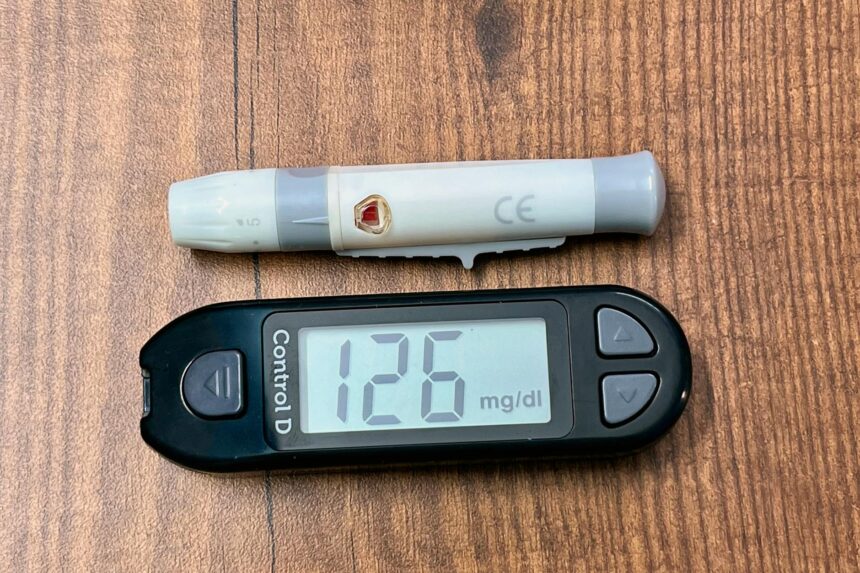
Researchers at Australian National University have developed groundbreaking nanotechnology that could revolutionize diabetes management by making blood glucose monitoring more accessible and less invasive. The innovation represents a significant advancement in point-of-care diagnostics for the 537 million adults worldwide living with diabetes.
Global Diabetes Prevalence by Region
Number of adults (20-79 years) with diabetes, 2021 estimates
Source: International Diabetes Federation, 2021 | Georgian Medical Journal News

Breakthrough in Glucose Sensing Technology
The Australian National University research team has developed nanoscale sensors that can detect glucose levels. The technology addresses critical limitations in existing diabetes monitoring systems, particularly the need for frequent finger-stick blood samples that many patients find burdensome.
Clinical Applications and Patient Impact
According to the World Health Organization, diabetes was the direct cause of 1.5 million deaths in 2019. Enhanced monitoring technology could potentially improve patient outcomes by enabling better diabetes management.
Technology Development and Future Implementation
The ANU team’s nanotechnology approach represents interdisciplinary research combining materials science, bioengineering, and clinical medicine. While the technology shows promise, researchers acknowledge that significant development work remains before clinical implementation. Regulatory approval processes for medical devices typically require extensive safety and efficacy testing.
The research aligns with broader trends in personalized medicine and point-of-care diagnostics, where portable testing devices are becoming increasingly important for chronic disease management.
The nanotechnology platform demonstrates glucose detection capabilities that could transform routine diabetes monitoring from an invasive procedure to a seamless, continuous process integrated into daily life.
— Research Team, Australian National University College of Science and Medicine
Key takeaways
- Nanotechnology sensors may offer improved glucose monitoring capabilities
- 537 million adults worldwide could potentially benefit from improved diabetes monitoring technology
- Clinical implementation will require regulatory approval and extensive safety testing
Frequently asked questions
How does nanotechnology improve diabetes monitoring?
Nanotechnology enables the creation of extremely small sensors that can detect glucose levels. These sensors could potentially reduce the need for frequent finger-stick blood tests.
When will this technology be available to patients?
The technology is still in research phases and requires extensive clinical testing and regulatory approval before becoming commercially available. This process typically takes several years for medical devices.
Could this technology help prevent diabetes complications?
Better glucose monitoring generally leads to improved diabetes management, which can reduce the risk of long-term complications.
The advancement represents a step forward in diabetes care technology, with potential implications extending beyond glucose monitoring to other biomarker detection applications. As the technology moves through development phases, it could become part of a new generation of diagnostic tools for chronic disease management.
Source: Life changing nanotechnology makes diabetes care a breeze – ANU College of Science and Medicine
🗺️ Find certified Georgian healthcare providers: sheniekimi.ge — Georgia Health Map · 998 clinics · 6,600+ doctors · 2,296 pharmacies
Was this article helpful?
Disclaimer. This article is health journalism intended for general information and education. It is not medical advice and is not a substitute for professional diagnosis or treatment. Always consult a qualified healthcare provider about your individual circumstances. Full disclaimer →
Related Coverage




Editorial standards. This article was produced under the GMJ News editorial process, with oversight by the GMJ Editorial Board. Our editorial process. Spotted an error? Contact the editorial team.