By using this site, you agree to the Privacy Policy and Terms of Use.
Accept
GMJ NewsGMJ NewsGMJ News
  • Latest News
    • GMJ Briefs
  • Podcast & Media
    • Podcast Episodes
    • GMJ Audio
    • GMJ Videos
  • Research Digest
    • New Studies
    • Georgian Research
    • Data & Numbers
  • Policy & Systems
    • Health Policy
    • Quality & Safety
    • Migration & Health
    • Global Health
  • Practice
    • Clinical Updates
    • Case Discussions
    • Pharmacy & Prescribing
    • Ingredients A-Z
  • Perspectives
    • Editorial
    • Explainers
    • Voices
    • Letters
  • GMJ Articles
    • Vol. 1 Issue 2 (2026)
    • Vol. 1 Issue 1 (2026)
    • Pre-Launch Articles (2025)
  • Read the Journal →
  • About GMJ News
Notification Show More
Font ResizerAa
GMJ NewsGMJ News
Font ResizerAa
  • Latest News
    • GMJ Briefs
  • Podcast & Media
    • Podcast Episodes
    • GMJ Audio
    • GMJ Videos
  • Research Digest
    • New Studies
    • Georgian Research
    • Data & Numbers
  • Policy & Systems
    • Health Policy
    • Quality & Safety
    • Migration & Health
    • Global Health
  • Practice
    • Clinical Updates
    • Case Discussions
    • Pharmacy & Prescribing
    • Ingredients A-Z
  • Perspectives
    • Editorial
    • Explainers
    • Voices
    • Letters
  • GMJ Articles
    • Vol. 1 Issue 2 (2026)
    • Vol. 1 Issue 1 (2026)
    • Pre-Launch Articles (2025)
  • Read the Journal →
  • About GMJ News
Follow US
GMJ News > GMJ Briefs > Australian Researchers Unveil Nanotechnology Platform to Revolutionize Diabetes Monitoring

Australian Researchers Unveil Nanotechnology Platform to Revolutionize Diabetes Monitoring

GMJ
Last updated: 03/06/2026 22:06
By
Prof. Giorgi Pkhakadze
Share
1 Min Read
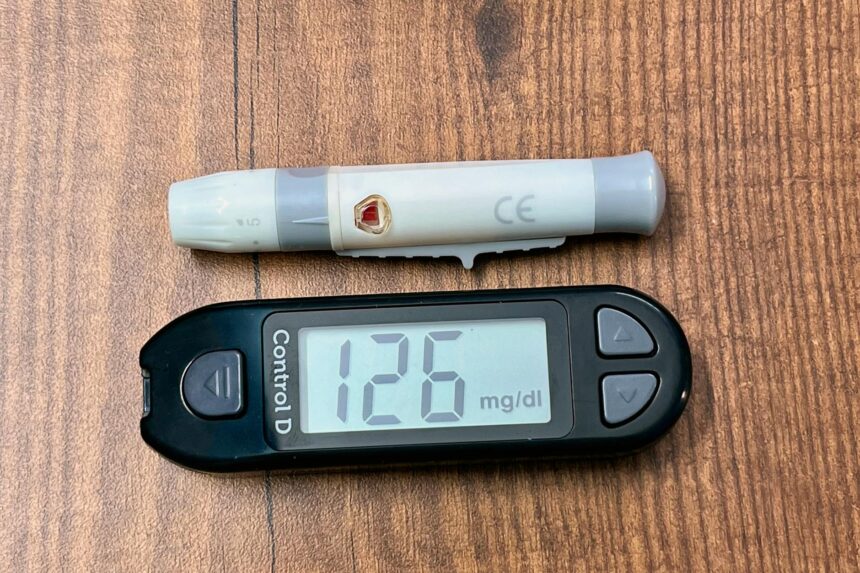
Illustration of nanotechnology sensors being used for diabetes glucose monitoring
Australian researchers develop nanotechnology sensors that could revolutionize diabetes monitoring by making glucose testing more accurate and less invasive. The innovation could benefit 537 million adults worldwide living with diabetes. — Photo: Arunangshu Banerjee / Pexels
SHARE
1 min read|135 words

Researchers at Australian National University have developed innovative nanoscale glucose sensors that promise to fundamentally transform diabetes care for millions worldwide. This breakthrough nanotechnology addresses a critical gap in current monitoring systems by offering unprecedented accuracy and sensitivity in glucose detection.

The new sensors eliminate the need for frequent, uncomfortable finger-stick blood samples that many diabetes patients find burdensome. While continuous glucose monitors exist, they remain costly and require regular calibration with traditional blood glucose meters. This nanotechnology platform overcomes these limitations by providing real-time glucose readings through less invasive mechanisms.

With 537 million adults globally living with diabetes, improved monitoring technology could significantly enhance patient compliance and health outcomes. By making glucose monitoring more accessible and comfortable, this innovation has the potential to transform daily diabetes management and reduce the burden of chronic disease care.

Was this article helpful?

GMJ Brief · Announcement

📰 Read the full article: Nanotechnology Innovation Promises to Transform Diabetes Monitoring and Care →

Share This Article
Facebook LinkedIn Bluesky Copy Link Print
GMJ
ByProf. Giorgi Pkhakadze
Follow:
Prof. Giorgi Pkhakadze, MD, MPH, PhD, is Editor-in-Chief of the Georgian Medical Journal and Chair of the Public Health Institute of Georgia (PHIG). He is Professor and Head of the Department of Social and Behavioural Sciences at David Tvildiani Medical University, and Secretary/Treasurer of the UEMS Section of Public Health. ORCID: 0000-0001-7609-4515.

Submit Your Paper →

Georgia's peer-reviewed open-access medical journal. No APC until January 2027.
Submit Manuscript →
Vitamin D Deficiency Links to Multiple Chronic Diseases, New Review Shows

A comprehensive review in Nutrients documents how vitamin D deficiency impairs immune…

How B Vitamins and Micronutrients Power the Brain’s Energy System

The brain consumes 20% of adult body energy—up to 50% in children—demanding…

Why Nutraceuticals Help Depression: Not by Acting as Drugs, but by Fixing What Antidepressants Miss

A 2025 meta-analysis reveals that nutraceuticals improve depression outcomes when added to…

Submit Your Paper to GMJ

No APC until January 2027.
Submit Manuscript →

You Might Also Like

Global HealthNew StudiesPolicy & SystemsResearch Digest

YouTube’s role in shaping avian flu discourse: Study reveals gap between scientific content and public narratives

By
Prof. Giorgi Pkhakadze
28/06/2026
Chart showing Amish population growth projection from 400,000 to 2 million by 2075

Amish Population Surge Demands Urgent Public Health Strategy Shift

By
Prof. Giorgi Pkhakadze
20/06/2026

PHEIC Declaration: Ebola Outbreak Cross-Border Transmission DRC-Uganda

By
Prof. Giorgi Pkhakadze
31/05/2026
NHS hospital entrance during summer heatwave with emergency services signage

NHS Braces for Perfect Storm: Strike, Heat, and Mass Gatherings Converge

By
Prof. Giorgi Pkhakadze
07/07/2026
Facebook Twitter Youtube Instagram
Company
  • Privacy Policy
  • Contact US
  • GMJ Journal
  • Submit Manuscript
  • Editorial Team
  • Register at GMJ
  • Terms of Use

Subscribe to GMJ News — Click here

Join Community
© 2026 Georgian Medical Journal (GMJ). Published by the Public Health Institute of Georgia (PHIG). All rights reserved.
Welcome Back!

Sign in to your account

Username or Email Address
Password

Lost your password?

Not a member? Sign Up