By using this site, you agree to the Privacy Policy and Terms of Use.
Accept
GMJ NewsGMJ NewsGMJ News
  • Latest News
    • GMJ Briefs
  • Podcast & Media
    • Podcast Episodes
    • GMJ Audio
    • GMJ Videos
  • Research Digest
    • New Studies
    • Georgian Research
    • Data & Numbers
  • Policy & Systems
    • Health Policy
    • Quality & Safety
    • Migration & Health
    • Global Health
  • Practice
    • Clinical Updates
    • Case Discussions
    • Pharmacy & Prescribing
    • Ingredients A-Z
  • Perspectives
    • Editorial
    • Explainers
    • Voices
    • Letters
  • GMJ Articles
    • Vol. 1 Issue 2 (2026)
    • Vol. 1 Issue 1 (2026)
    • Pre-Launch Articles (2025)
  • Read the Journal →
  • About GMJ News
Notification Show More
Font ResizerAa
GMJ NewsGMJ News
Font ResizerAa
  • Latest News
    • GMJ Briefs
  • Podcast & Media
    • Podcast Episodes
    • GMJ Audio
    • GMJ Videos
  • Research Digest
    • New Studies
    • Georgian Research
    • Data & Numbers
  • Policy & Systems
    • Health Policy
    • Quality & Safety
    • Migration & Health
    • Global Health
  • Practice
    • Clinical Updates
    • Case Discussions
    • Pharmacy & Prescribing
    • Ingredients A-Z
  • Perspectives
    • Editorial
    • Explainers
    • Voices
    • Letters
  • GMJ Articles
    • Vol. 1 Issue 2 (2026)
    • Vol. 1 Issue 1 (2026)
    • Pre-Launch Articles (2025)
  • Read the Journal →
  • About GMJ News
Follow US
GMJ News > GMJ Briefs > The Four-Hour Window: How Quickly Air Pollution Affects Your Body

The Four-Hour Window: How Quickly Air Pollution Affects Your Body

GMJ
Last updated: 10/06/2026 22:20
By
Prof. Giorgi Pkhakadze
Share
1 Min Read
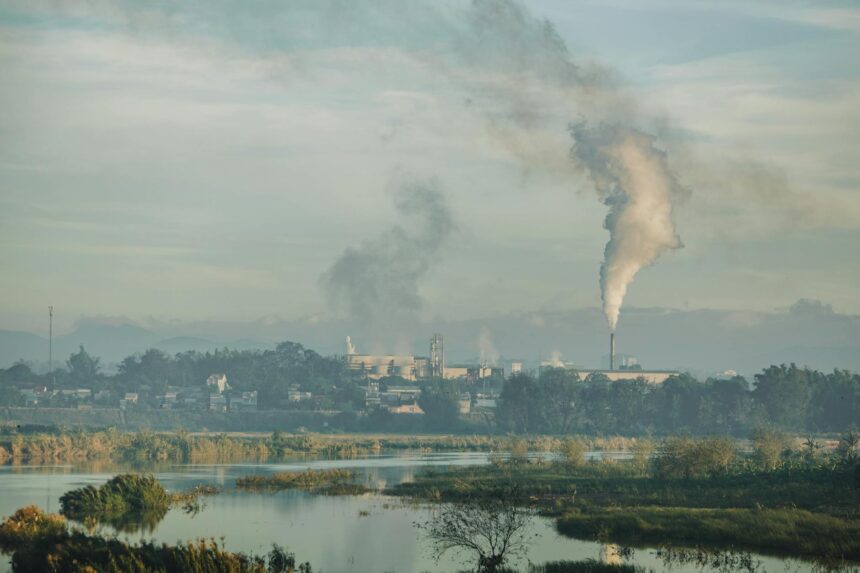
Scientific illustration showing air pollution particles affecting brain and lung health
UK researchers discovered that common air pollutants cause measurable changes in brain activity and lung function within just four hours of exposure. The study provides new insights into how air pollution may contribute to dementia risk through immediate neurological effects. — Photo: Thái Trường Giang / Pexels
SHARE
1 min read|140 words

New research from UK scientists has established a striking metric in environmental health: just four hours of exposure to common air pollutants produces measurable changes in brain activity and respiratory function. This timeline represents a significant reduction from the 24+ hour estimates that previously guided scientific understanding of pollution’s physiological effects.

The study examined exposure to fine particulate matter and nitrogen dioxide in controlled laboratory settings, employing advanced neuroimaging and pulmonary function testing to track biological responses. Participants demonstrated detectable alterations in brain activity patterns and lung performance within this remarkably compressed timeframe, suggesting that air quality impacts develop far more rapidly than anticipated.

These findings underscore the urgent need for public health interventions and personal protective measures during high-pollution events, as even brief exposures trigger immediate neurological consequences that may accumulate over time.

Read the full article on GMJ Newsroom.

Submit Your Paper
GMJ_Submit_Banner

Was this article helpful?

GMJ Brief · Key Finding

📰 Read the full article: Air Pollutants Alter Brain Activity and Lung Function Within Four Hours →

Related reference
  • Iron · Ingredient
Share This Article
Facebook LinkedIn Bluesky Copy Link Print
GMJ
ByProf. Giorgi Pkhakadze
Follow:
Prof. Giorgi Pkhakadze, MD, MPH, PhD, is Editor-in-Chief of the Georgian Medical Journal and Chair of the Public Health Institute of Georgia (PHIG). He is Professor and Head of the Department of Social and Behavioural Sciences at David Tvildiani Medical University, and Secretary/Treasurer of the UEMS Section of Public Health. ORCID: 0000-0001-7609-4515.

Submit Your Paper →

Georgia's peer-reviewed open-access medical journal. No APC until January 2027.
Submit Manuscript →
Spinal Cord Stimulation Shows Promise for Chronic Stroke Recovery After Four Years

University of Pittsburgh researchers demonstrate that spinal cord stimulation can improve arm…

WHO: Unsafe Food Causes 866 Million Illnesses Annually, Children Face Triple Risk

New WHO data reveals children under 5 face triple the risk of…

Yemen Food Crisis: 11.2 Million Face Acute Hunger as International Aid Funding Cuts Continue

Nearly 11.2 million Yemenis face severe acute food insecurity as international humanitarian…

Submit Your Paper to GMJ

No APC until January 2027.
Submit Manuscript →

You Might Also Like

Children using digital mental health platform showing emotional well-being improvement graphs

Danish Study Validates Digital Platform for Supporting Children Through Divorce

By
Prof. Giorgi Pkhakadze
31/05/2026
Global HealthPolicy & Systems

WHO Sierra Leone Reports Health System Progress in 2026 First Quarter

By
Prof. Giorgi Pkhakadze
03/06/2026
Global HealthPolicy & Systems

CDC Reports Growing Salmonella Outbreaks Linked to Moringa Leaf Products

By
Prof. Giorgi Pkhakadze
30/05/2026

SITUATION BRIEF: Cross-Border Ebola Outbreak – DRC/Uganda

By
Prof. Giorgi Pkhakadze
31/05/2026
Facebook Twitter Youtube Instagram
Company
  • Privacy Policy
  • Contact US
  • GMJ Journal
  • Submit Manuscript
  • Editorial Team
  • Register at GMJ
  • Terms of Use

Subscribe to GMJ News — Click here

Join Community
© 2026 Georgian Medical Journal (GMJ). Published by the Public Health Institute of Georgia (PHIG). All rights reserved.
Welcome Back!

Sign in to your account

Username or Email Address
Password

Lost your password?

Not a member? Sign Up