By using this site, you agree to the Privacy Policy and Terms of Use.
Accept
GMJ NewsGMJ NewsGMJ News
  • Latest News
    • GMJ Briefs
  • Podcast & Media
    • Podcast Episodes
    • GMJ Audio
    • GMJ Videos
  • Research Digest
    • New Studies
    • Georgian Research
    • Data & Numbers
  • Policy & Systems
    • Health Policy
    • Quality & Safety
    • Migration & Health
    • Global Health
  • Practice
    • Clinical Updates
    • Case Discussions
    • Pharmacy & Prescribing
    • Ingredients A-Z
  • Perspectives
    • Editorial
    • Explainers
    • Voices
    • Letters
  • GMJ Articles
    • Vol. 1 Issue 2 (2026)
    • Vol. 1 Issue 1 (2026)
    • Pre-Launch Articles (2025)
  • Read the Journal →
  • About GMJ News
Notification Show More
Font ResizerAa
GMJ NewsGMJ News
Font ResizerAa
  • Latest News
    • GMJ Briefs
  • Podcast & Media
    • Podcast Episodes
    • GMJ Audio
    • GMJ Videos
  • Research Digest
    • New Studies
    • Georgian Research
    • Data & Numbers
  • Policy & Systems
    • Health Policy
    • Quality & Safety
    • Migration & Health
    • Global Health
  • Practice
    • Clinical Updates
    • Case Discussions
    • Pharmacy & Prescribing
    • Ingredients A-Z
  • Perspectives
    • Editorial
    • Explainers
    • Voices
    • Letters
  • GMJ Articles
    • Vol. 1 Issue 2 (2026)
    • Vol. 1 Issue 1 (2026)
    • Pre-Launch Articles (2025)
  • Read the Journal →
  • About GMJ News
Follow US
GMJ News > GMJ Briefs > Zero Clinical Trials on GLP-1 Microdosing Safety, Experts Report

Zero Clinical Trials on GLP-1 Microdosing Safety, Experts Report

GMJ
Last updated: 12/06/2026 16:29
By
Prof. Giorgi Pkhakadze
Share
1 Min Read
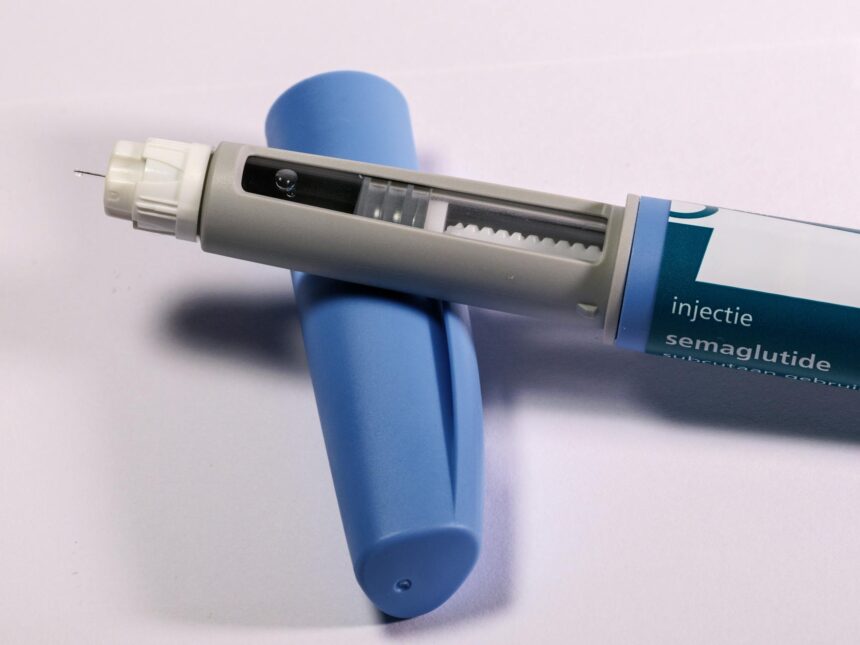
Medical professional discussing GLP-1 medication safety and dosing concerns
Weight-loss specialist warns about unregulated GLP-1 microdosing trend lacking clinical trial evidence. Long-term safety effects remain unknown for reduced-dose formulations. — Photo: Haberdoedas Photography / Pexels
SHARE
1 min read|144 words

A striking finding highlighted by weight-loss specialists reveals a critical evidence gap: zero clinical trials have examined the safety and efficacy of GLP-1 microdosing. This statistic underscores the fundamental problem with the growing trend of reduced-dose GLP-1 use for cosmetic weight loss.

While FDA-approved therapeutic doses like 2.4 mg weekly have undergone rigorous testing, microdose regimens typically ranging from 0.25-0.5 mg exist entirely outside the clinical evidence base. Without peer-reviewed research examining these lower doses, healthcare providers cannot reliably predict long-term effects, potential adverse events, or drug interactions.

The absence of clinical validation becomes even more concerning when patients combine microdosing with compounded formulations—which vary in quality and consistency compared to manufacturer-produced medications. Medical experts warn that this unproven approach lacks the safety guarantees that regulatory approval provides, making medical supervision essential for anyone considering GLP-1 therapy.

Read the full article on GMJ Newsroom.

Submit Your Paper
GMJ_Submit_Banner

Was this article helpful?

GMJ Brief · Key Finding

📰 Read the full article: Weight Loss Expert Raises Safety Concerns Over Unregulated GLP-1 ‘Microdoses’ →

Share This Article
Facebook LinkedIn Bluesky Copy Link Print
GMJ
ByProf. Giorgi Pkhakadze
Follow:
Prof. Giorgi Pkhakadze, MD, MPH, PhD, is Editor-in-Chief of the Georgian Medical Journal and Chair of the Public Health Institute of Georgia (PHIG). He is Professor and Head of the Department of Social and Behavioural Sciences at David Tvildiani Medical University, and Secretary/Treasurer of the UEMS Section of Public Health. ORCID: 0000-0001-7609-4515.

Submit Your Paper →

Georgia's peer-reviewed open-access medical journal. No APC until January 2027.
Submit Manuscript →
How the immune system learns to remember threats: the science of innate and adaptive immunity

The immune system operates in two coordinated layers: an immediate innate response…

How Brain Chemistry Shapes Mood, Sleep, and Focus: A Guide to Neurotransmitters

Neurotransmitters—chemical messengers between brain cells—regulate mood, sleep, motivation, and cognitive focus. Understanding…

Extra Virgin Olive Oil: 20 Grams Daily Linked to Lower Cancer and All-Cause Mortality

Approximately 23,000 Italian adults consuming 30 grams of extra virgin olive oil…

Submit Your Paper to GMJ

No APC until January 2027.
Submit Manuscript →

You Might Also Like

Infographic showing wildlife deaths from lead ammunition poisoning with statistics and affected species

What Hunters and Consumers Need to Know: Health Risks Beyond the Field

By
Prof. Giorgi Pkhakadze
29/06/2026
Healthcare cost analysis showing long COVID economic impact on US system

What Every Healthcare Leader Should Know About Long COVID’s $8 Billion Price

By
Prof. Giorgi Pkhakadze
27/06/2026
Clinical UpdatesGlobal HealthPolicy & SystemsPractice

CDC Reports Active Ebola Surveillance in DRC and Uganda Following Recent Outbreak

By
Prof. Giorgi Pkhakadze
07/06/2026
Diagram showing the four primary functions of mitochondria: ATP generation, ROS balance, mtDNA maintenance, and membrane dynamics

Aging Mitochondria: DNA Mutations Link Directly to Neurodegeneration

By
Prof. Giorgi Pkhakadze
31/07/2026
Facebook Twitter Youtube Instagram
Company
  • Privacy Policy
  • Contact US
  • GMJ Journal
  • Submit Manuscript
  • Editorial Team
  • Register at GMJ
  • Terms of Use

Subscribe to GMJ News — Click here

Join Community
© 2026 Georgian Medical Journal (GMJ). Published by the Public Health Institute of Georgia (PHIG). All rights reserved.
Welcome Back!

Sign in to your account

Username or Email Address
Password

Lost your password?

Not a member? Sign Up