Updated 13/09/2026
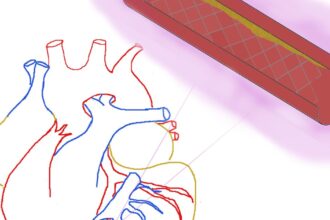
A new study has revealed fundamental differences in how the heart’s left and right ventricles respond to ventricular fibrillation, the most lethal form of cardiac arrhythmia. Research led by the Centro Nacional de Investigaciones Cardiovasculares Carlos III (CNIC) shows that these chambers exhibit distinct patterns of electrical instability during cardiac arrest episodes.
New Understanding of Cardiac Chamber Differences
The CNIC research team used advanced electrophysiological mapping to analyze ventricular fibrillation patterns in both cardiac chambers. Their findings demonstrate that the left and right ventricles exhibit markedly different responses to the chaotic electrical activity that characterizes this life-threatening arrhythmia.
The research utilized high-resolution optical mapping techniques to track electrical propagation patterns during induced ventricular fibrillation episodes.

Clinical Implications for Emergency Medicine
The study’s findings have immediate relevance for emergency medical protocols and defibrillator technology development. Current automated external defibrillators (AEDs) apply uniform electrical shocks without accounting for the distinct electrical properties of each ventricular chamber.
The research suggests that targeted, chamber-specific electrical therapies might improve survival rates from sudden cardiac arrest.
For more comprehensive coverage of cardiovascular research developments, visit our clinical updates section, which regularly features breakthrough studies in emergency medicine and cardiac care.
Future Research and Therapeutic Development
The CNIC team plans to expand their investigation using human cardiac tissue samples and advanced computational modeling. This next phase will focus on translating the basic science discoveries into clinically applicable treatment protocols.
Collaboration with medical device manufacturers is already underway to explore how these findings might influence next-generation defibrillator designs.
The left and right ventricles demonstrate fundamentally different electrical instability patterns during ventricular fibrillation, with implications for targeted defibrillation strategies
— Centro Nacional de Investigaciones Cardiovasculares Carlos III (CNIC Study)
Key takeaways
- Left and right heart ventricles show distinct electrical responses during ventricular fibrillation episodes
- Current defibrillator technology applies uniform shocks without accounting for chamber-specific differences
- These findings could lead to more targeted, effective emergency cardiac treatments
- Human tissue studies and device development collaborations are planned as next research steps
Frequently asked questions
What is ventricular fibrillation?
Ventricular fibrillation is a life-threatening heart rhythm disorder where the heart’s lower chambers quiver instead of pumping blood effectively. It causes immediate cardiac arrest and requires emergency defibrillation to restore normal rhythm.
How do current defibrillators work?
Current automated external defibrillators (AEDs) deliver high-energy electrical shocks uniformly across the heart to reset chaotic electrical activity. They do not differentiate between the distinct electrical properties of the left and right ventricles.
This research represents a significant advancement in understanding cardiac electrophysiology during life-threatening arrhythmias. The potential for developing more precise, chamber-targeted defibrillation strategies offers hope for improving survival rates from sudden cardiac arrest, which remains a leading cause of mortality worldwide.
🗺️ Find certified Georgian healthcare providers: sheniekimi.ge — Georgia Health Map · 998 clinics · 6,600+ doctors · 2,296 pharmacies
Was this article helpful?
Disclaimer. This article is health journalism intended for general information and education. It is not medical advice and is not a substitute for professional diagnosis or treatment. Always consult a qualified healthcare provider about your individual circumstances. Full disclaimer →
Related Coverage



Editorial standards. This article was produced under the GMJ News editorial process, with oversight by the GMJ Editorial Board. Our editorial process. Spotted an error? Contact the editorial team.