Updated 13/09/2026
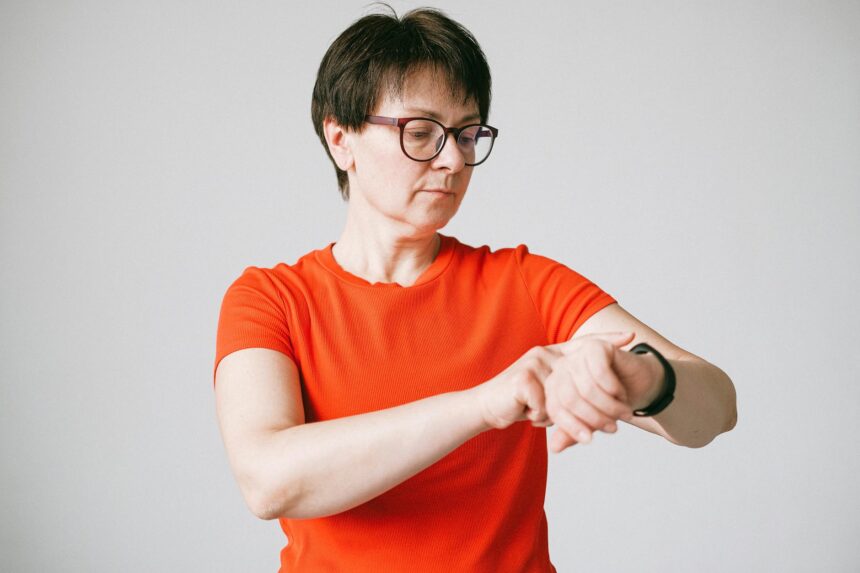
Wearable health technologies present a significant opportunity to address the systematic under-representation of women in medical research and clinical care, according to new analysis published in Nature Reviews Disease Primers. The comprehensive review highlights how digital medicine could transform personalized healthcare for women through continuous monitoring and data collection.
Women’s Health Research Gaps
Areas where wearable technology could provide new insights
Source: Nature Reviews Disease Primers, 2026 | Georgian Medical Journal News

Closing the Gender Data Gap
The analysis emphasizes that women have been historically excluded from clinical trials and medical research, creating substantial knowledge gaps in understanding how diseases manifest differently across sexes. Traditional clinical studies often fail to account for hormonal cycles, pregnancy, and other factors specific to women’s biology.
Wearable devices could revolutionize this landscape by providing continuous, real-world data collection outside traditional clinical settings. The National Institutes of Health has increasingly recognized the importance of sex-specific research, but implementation remains limited in conventional study designs.
The authors note that wearables can capture physiological variations across menstrual cycles, pregnancy, and menopause—periods traditionally excluded from research protocols. This continuous monitoring approach offers unprecedented insights into women’s health patterns that laboratory-based studies cannot replicate.
Validation and Clinical Integration Challenges
Despite the promise, significant obstacles remain for integrating wearable data into clinical practice. The review highlights concerns about data accuracy, standardization, and the need for rigorous clinical validation before these technologies can inform medical decisions.
Current wearable devices vary widely in their accuracy for different health metrics. FDA guidance for digital health tools continues to evolve, but regulatory pathways for validating consumer wearables as medical devices remain complex.
Healthcare systems must also address data privacy, interoperability, and the digital divide that could exclude certain populations from benefiting from these advances. The integration of digital health policies requires careful consideration of equity issues.
Personalized Medicine Applications
The research outlines specific applications where wearables could transform women’s healthcare delivery. Continuous heart rate monitoring could detect cardiovascular issues that present differently in women compared to men, while sleep and activity tracking could provide insights into conditions like fibromyalgia and chronic fatigue syndrome.
Fertility tracking represents another significant application, with potential for more precise timing of treatments and better understanding of reproductive health patterns. The World Health Organization recognizes infertility as a significant global health issue, with diagnostic tools often inadequate for comprehensive assessment.
Mental health monitoring through wearables could also address the higher rates of depression and anxiety disorders in women, providing objective data to complement subjective symptom reporting in clinical evaluations.
Wearables have the potential to address medicine’s major blind spots regarding women’s health through personalized, continuous monitoring that traditional clinical trials cannot provide.
— Nature Reviews Disease Primers Analysis (2026)
Key takeaways
- Wearable technology could address systematic under-representation of women in medical research through continuous data collection
- Clinical validation and regulatory frameworks remain essential before widespread medical integration
- Applications span reproductive health, cardiovascular disease, and mental health monitoring with potential for personalized treatment approaches
Frequently asked questions
How accurate are current wearables for medical use?
Accuracy varies significantly by device and health metric measured. Most consumer wearables are not yet validated as medical devices, though FDA guidance continues to evolve for digital health tools.
What specific women’s health conditions could benefit most?
Reproductive health monitoring, cardiovascular disease detection, and mental health tracking show the greatest potential according to the research. These areas have historically lacked comprehensive data collection methods.
When might wearables become standard in women’s healthcare?
Integration depends on clinical validation studies, regulatory approval, and healthcare system adoption. The timeline likely spans several years as evidence base and regulatory frameworks develop.
The advancement of wearable technology in women’s health represents a crucial step toward more equitable and personalized medicine. However, realizing this potential requires sustained investment in validation studies, regulatory frameworks, and healthcare system integration to ensure these innovations benefit all women rather than exacerbating existing health disparities.
Source: Wearables and women’s healthtech: advancing measurement, monitoring and action via digital medicine
🗺️ Find certified Georgian healthcare providers: sheniekimi.ge — Georgia Health Map · 998 clinics · 6,600+ doctors · 2,296 pharmacies
Was this article helpful?
Disclaimer. This article is health journalism intended for general information and education. It is not medical advice and is not a substitute for professional diagnosis or treatment. Always consult a qualified healthcare provider about your individual circumstances. Full disclaimer →
Related Coverage



Editorial standards. This article was produced under the GMJ News editorial process, with oversight by the GMJ Editorial Board. Our editorial process. Spotted an error? Contact the editorial team.