By using this site, you agree to the Privacy Policy and Terms of Use.
Accept
GMJ NewsGMJ NewsGMJ News
  • Latest News
    • GMJ Briefs
  • Podcast & Media
    • Podcast Episodes
    • GMJ Audio
    • GMJ Videos
  • Research Digest
    • New Studies
    • Georgian Research
    • Data & Numbers
  • Policy & Systems
    • Health Policy
    • Quality & Safety
    • Migration & Health
    • Global Health
  • Practice
    • Clinical Updates
    • Case Discussions
    • Pharmacy & Prescribing
  • Perspectives
    • Editorial
    • Explainers
    • Voices
    • Letters
  • GMJ Articles
    • Vol. 1 Issue 2 (2026)
    • Vol. 1 Issue 1 (2026)
    • Pre-Launch Articles (2025)
  • Read the Journal →
  • About GMJ News
Notification Show More
Font ResizerAa
GMJ NewsGMJ News
Font ResizerAa
  • Latest News
    • GMJ Briefs
  • Podcast & Media
    • Podcast Episodes
    • GMJ Audio
    • GMJ Videos
  • Research Digest
    • New Studies
    • Georgian Research
    • Data & Numbers
  • Policy & Systems
    • Health Policy
    • Quality & Safety
    • Migration & Health
    • Global Health
  • Practice
    • Clinical Updates
    • Case Discussions
    • Pharmacy & Prescribing
  • Perspectives
    • Editorial
    • Explainers
    • Voices
    • Letters
  • GMJ Articles
    • Vol. 1 Issue 2 (2026)
    • Vol. 1 Issue 1 (2026)
    • Pre-Launch Articles (2025)
  • Read the Journal →
  • About GMJ News
Follow US
GMJ News > Policy & Systems > Health Policy > Montana’s Medicaid Work Requirements Return as State Faces Budget Pressures Under Trump
Health PolicyPolicy & Systems

Montana’s Medicaid Work Requirements Return as State Faces Budget Pressures Under Trump

GMJ
Last updated: 01/06/2026 00:11
By
GMJ News Desk
Share
5 Min Read
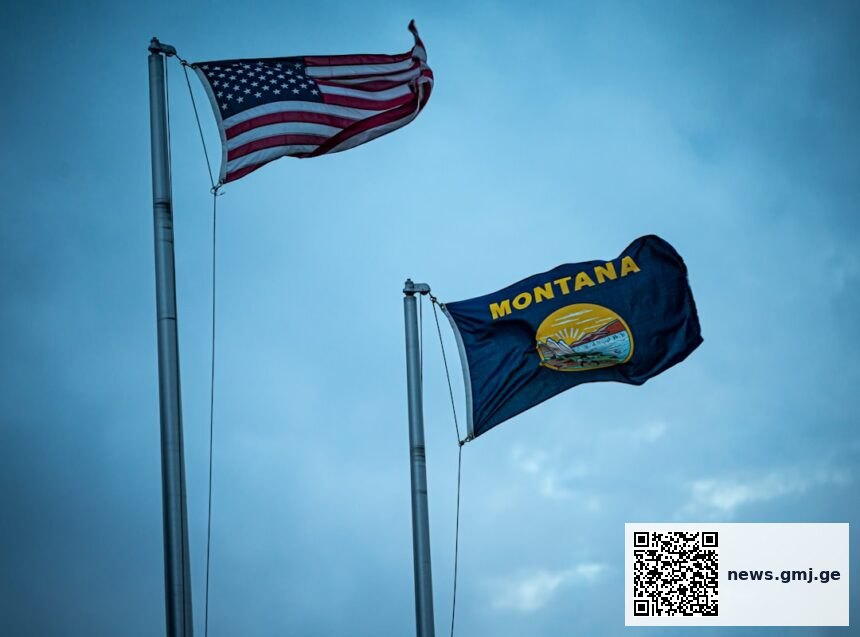
Montana state capitol building with healthcare policy documents
Montana prepares to reimpose Medicaid work requirements as budget pressures mount and Trump administration signals federal support. The state faces a $150 million shortfall while serving 315,000 Medicaid beneficiaries. — Photo: Pete Alexopoulos / Pexels
SHARE
🎧 Listen to this article4:18 min · 600 words · GMJ Audio

Contents
      • Medicaid Work Requirements by State Implementation Status
  • Montana’s Budget Crisis Drives Policy Shift
  • Federal Policy Reversal Creates Implementation Window
  • Rural Healthcare Access Concerns Mount
    • Key takeaways
  • Frequently asked questions
    • What are Medicaid work requirements?
    • How many people could lose coverage in Montana?
    • When might work requirements take effect?

Montana is preparing to reimpose Medicaid work requirements for able-bodied adults as the state grapples with mounting healthcare costs and anticipates renewed federal support under the incoming Trump administration. The move comes as Montana faces significant budget constraints while serving approximately 315,000 Medicaid beneficiaries across the largely rural state.

315,000
Montana residents enrolled in Medicaid, representing nearly one-third of the state’s population

Medicaid Work Requirements by State Implementation Status

States with approved, pending, or planned work requirement waivers, 2024

Previously Approved
9 states
Considering Reapplication
7 states
Currently Implemented

3 states

Source: Kaiser Family Foundation, 2024 | Georgian Medical Journal News

Submit Your Paper
GMJ_Submit_Banner

Montana’s Budget Crisis Drives Policy Shift

Montana’s Medicaid program faces a projected shortfall of $150 million over the next biennium, according to the state’s Legislative Fiscal Division. The budget pressures have intensified calls from Republican lawmakers to implement work requirements that were previously approved but never enacted due to federal legal challenges during the Biden administration.

🎙️ Related Podcast Episodes
🎧 #34 | GMJ Podcast | Palliative Care in Georgia — Health System Gaps and Policy Implications · 4m

The state’s Medicaid expansion, which covers adults earning up to 138% of the federal poverty level, has enrolled significantly more people than initially projected. Montana’s Department of Public Health and Human Services estimates that work requirements could reduce enrollment by 15-20%, potentially saving the state $45-60 million annually in matching funds.

Federal Policy Reversal Creates Implementation Window

The incoming Trump administration has signaled support for state flexibility in Medicaid programs, including work requirements. During Trump’s previous term, the Centers for Medicare & Medicaid Services approved work requirement waivers for multiple states, though most were blocked by federal courts.

Montana originally received federal approval for its work requirements in 2019, but implementation was delayed due to litigation and later suspended under the Biden administration. The state’s waiver required able-bodied adults aged 19-59 to work, volunteer, or participate in job training for at least 20 hours per week to maintain coverage.

Rural Healthcare Access Concerns Mount

Healthcare advocates warn that work requirements could disproportionately impact Montana’s rural communities, where employment opportunities are limited and seasonal work is common. The Montana Healthcare Foundation estimates that 40% of current Medicaid expansion enrollees live in counties with unemployment rates above the state average.

Montana’s rural hospitals, already facing financial pressures, could see increased uncompensated care costs if Medicaid enrollment drops. The Montana Hospital Association has expressed concerns about the policy’s impact on hospital sustainability in smaller communities.

Work requirements could reduce Montana’s Medicaid enrollment by 15-20%, potentially affecting 47,000-63,000 current beneficiaries based on state projections.

— Montana Department of Public Health and Human Services, Budget Analysis (2024)

Key takeaways

  • Montana faces a $150 million Medicaid budget shortfall, driving consideration of work requirements
  • Federal policy changes under Trump may enable states to implement previously blocked work requirements
  • Rural communities could face disproportionate impacts from reduced Medicaid access

Frequently asked questions

What are Medicaid work requirements?

Medicaid work requirements mandate that able-bodied adults work, volunteer, or participate in job training for a specified number of hours per week to maintain healthcare coverage. Montana’s proposal requires 20 hours weekly for adults aged 19-59.

How many people could lose coverage in Montana?

State projections suggest 15-20% of current Medicaid expansion enrollees could lose coverage, affecting an estimated 47,000-63,000 people. The actual impact would depend on compliance rates and exemption processes.

When might work requirements take effect?

Implementation timing depends on federal waiver approval and state administrative preparations. Montana officials estimate the earliest possible implementation would be late 2025 if federal approvals are expedited.

Montana’s approach to Medicaid work requirements will serve as a crucial test case for similar policies nationwide, as other states watch closely to gauge federal receptivity and practical implementation challenges. The outcome could influence healthcare policy decisions across rural America, where the balance between fiscal constraints and healthcare access remains a persistent challenge.

Source: Budget-Strapped Montana Will Stress-Test Trump’s Medicaid Work Rules

Was this article helpful?

Related Coverage

UK Radiotherapy Safety Analysis Reveals 13% Rise in Reported IncidentsJun 1, 2026
Rural Georgia Community Challenges ICE Detention Center Over Healthcare Capacity ConcernsJun 1, 2026
Montana's Medicaid Work Requirements Return as State Faces Budget Pressures Under TrumpMay 31, 2026
TAGGED:healthcare policymedicaidmontanaTrump administrationwork requirements
Share This Article
Facebook LinkedIn Bluesky Copy Link Print
Leave a Comment Leave a Comment

Leave a Reply Cancel reply

Your email address will not be published. Required fields are marked *

Submit Your Paper →

Georgia's peer-reviewed open-access medical journal. No APC until January 2027.
Submit Manuscript →
UK Radiotherapy Safety Analysis Reveals 13% Rise in Reported Incidents

UK government analysis reveals 13% increase in voluntarily reported radiotherapy incidents, with…

UK Radiotherapy Safety Analysis Reveals 13% Rise in Reported Incidents

UK government analysis reveals 13% increase in voluntarily reported radiotherapy incidents, with…

Rural Georgia Community Challenges ICE Detention Center Over Healthcare Capacity Concerns

Social Circle, Georgia challenges federal plans for ICE detention facility, citing concerns…

Submit Your Paper to GMJ

No APC until January 2027.
Submit Manuscript →

You Might Also Like

Healthcare workers in Nigeria providing primary care services
Global HealthPolicy & Systems

Nigerian Health Commissioner’s Eight-Year Transformation Demonstrates Impact of Primary Healthcare Reform

By
GMJ News Desk
30/05/2026
Healthcare workers discussing HIV stigma reduction strategies in clinical setting
Global Health

HIV Stigma Study Reveals Persistent Discrimination in Cabo Verde Healthcare System

By
GMJ News Desk
22/05/2026
NAFDAC laboratory testing bread samples for food safety compliance investigation
Health Policy

NAFDAC Investigation Finds Popular Nigerian Bread Safe Despite Extended Shelf Life

By
GMJ News Desk
21/05/2026
Medical alert symbol with anesthesia equipment monitoring display
Quality & Safety

FDA Issues Early Alert on Draeger Anesthesia Machine Ventilator Failures

By
GMJ News Desk
20/05/2026
Facebook Twitter Youtube Instagram
Company
  • Privacy Policy
  • Contact US
  • GMJ Journal
  • Submit Manuscript
  • Editorial Team
  • Register at GMJ
  • Terms of Use

Subscribe to GMJ News — Click here

Join Community
© 2026 Georgian Medical Journal (GMJ). Published by the Public Health Institute of Georgia (PHIG). All rights reserved.
Welcome Back!

Sign in to your account

Username or Email Address
Password

Lost your password?

Not a member? Sign Up