An Air France flight bound for Detroit was diverted to Montreal after a passenger from the Democratic Republic of Congo boarded “in error” amid ongoing Ebola outbreak restrictions, according to reports from multiple news outlets including CBC News.
Flight Diversion Triggers Health Protocol Response
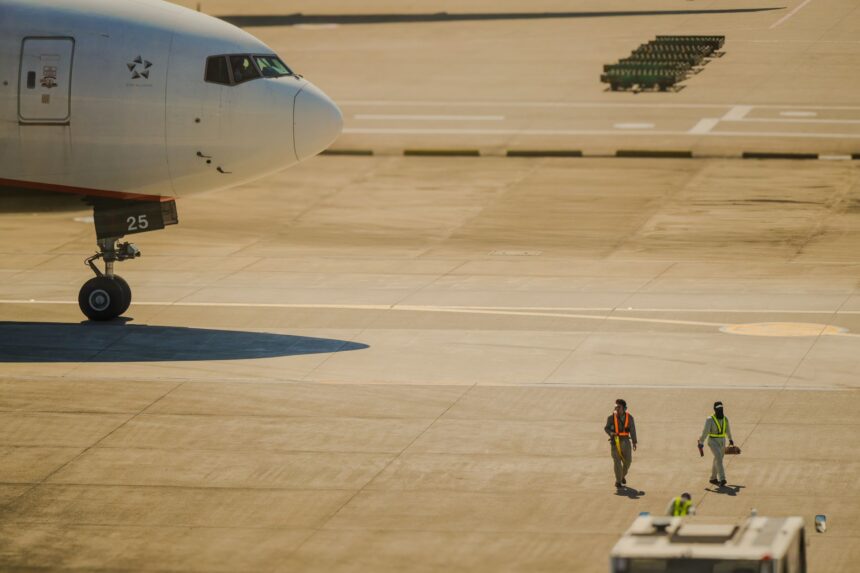
The Air France flight from Paris to Detroit was rerouted to Montreal’s Pierre Elliott Trudeau International Airport after authorities discovered a passenger from the Democratic Republic of Congo had boarded the aircraft. According to reports from CBC News, the passenger was not supposed to be on the US-bound flight due to current travel restrictions.
The diversion demonstrates the measures airlines and health agencies maintain during active disease outbreaks, particularly those involving high-consequence pathogens like Ebola.
Current US travel restrictions limit entry from regions experiencing active Ebola transmission, including parts of the Democratic Republic of Congo. These measures are implemented by the Centers for Disease Control and Prevention.

Congo’s Ongoing Ebola Challenge
The Democratic Republic of Congo has faced multiple Ebola outbreaks in recent years, with the World Health Organization declaring several public health emergencies. The country’s eastern provinces have been particularly affected, with healthcare workers and international organizations working to contain transmission chains.
Air travel restrictions from Ebola-affected regions represent a key component of global outbreak response strategies. The international health community continues to balance public safety measures with the need to maintain essential travel and commerce links.
Flight diversions due to health screening protocols have become increasingly common during disease outbreaks, with airlines reporting enhanced coordination with health authorities.
— International Air Transport Association, Aviation Health Guidelines (2024)
Key takeaways
- Air France flight diverted from Detroit to Montreal due to passenger from Ebola-affected region
- Current US restrictions limit travel from Democratic Republic of Congo during ongoing outbreak
- Incident highlights importance of coordinated health screening protocols in aviation
Frequently asked questions
What are current travel restrictions for Ebola-affected regions?
According to the Centers for Disease Control and Prevention, the US currently requires enhanced screening and monitoring for travelers from regions experiencing active Ebola transmission.
How do airlines handle passengers from disease outbreak areas?
Airlines work with health authorities to implement screening protocols, which may include passenger questionnaires, temperature checks, and travel history verification.
What happens when a flight is diverted for health reasons?
Health authorities at the diversion airport activate emergency protocols, which may include passenger screening, contact tracing, and medical evaluation.
The incident demonstrates the ongoing vigilance required during global health emergencies and the critical role of international cooperation in disease containment efforts. As travel patterns continue to evolve, coordination between airlines, health authorities, and border agencies remains essential for maintaining both public safety and global connectivity.
Source: US-bound plane diverts to Canada after person from Ebola-hit region boards ‘in error’
Was this article helpful?
Disclaimer. This article is health journalism intended for general information and education. It is not medical advice and is not a substitute for professional diagnosis or treatment. Always consult a qualified healthcare provider about your individual circumstances. Full disclaimer →
Related Coverage



Medically reviewed by Prof. Giorgi Pkhakadze, MD, MPH, PhD. Spotted an error? Contact the editorial team.