



Prof. Giorgi Pkhakadze
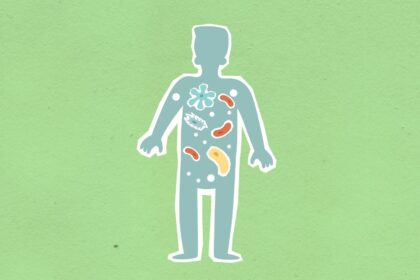
Gut Microbiome Shapes Mental Health and Disease Risk Through Bidirectional Brain Communication
The human gut microbiome actively communicates with the brain, immune system, and metabolism through complex biochemical pathways. Research reveals 100…

Omega-3 Supplement Oxidation: New Research Challenges Safety Concerns
New research challenges concerns about omega-3 supplement oxidation, revealing a significant gap between laboratory measurements and actual health risks in…

How Brain Neurotransmitters Control Your Mood, Sleep, and Focus
Your mood, energy, and focus depend on 12 major neurotransmitter systems that facilitate chemical communication between brain cells. Understanding these…

Training Breaks Cost Less Than Athletes Think, New Studies Show
Three recent studies reveal that training breaks cause far less fitness loss than athletes fear. Genetic factors protect against rapid…

Zinc-Copper Imbalance: How High-Dose Zinc Supplements Create Hidden Deficiencies
High-dose zinc supplements can cause copper deficiency within weeks due to competitive absorption. Research shows optimal supplementation requires a 15:1…

Standard blood test measures less than 1% of body’s magnesium stores, new research reveals
New research reveals standard blood tests measure less than 1% of the body's magnesium stores and may miss deficiency affecting…

Cellular Wave Patterns Drive Early Life Development Through Protein Dynamics
MIT research reveals fertilized eggs organize through rotating protein wave patterns, not simple activation switches. These Rho-GTP signaling waves perform…

Understanding Vitamin Function: How Each Micronutrient Drives Essential Biochemical Processes
Every vitamin performs a defined biochemical function as cofactors and regulators in human metabolism. When these functions are compromised, clinical…