



Prof. Giorgi Pkhakadze, MD, MPH, PhD

Sir Jeremy Farrar’s Retirement from WHO Is a Warning — Not About WHO, but About How the World Funds Global Health
The announced retirement of Sir Jeremy Farrar from the World Health Organization should not be read as simply another senior…
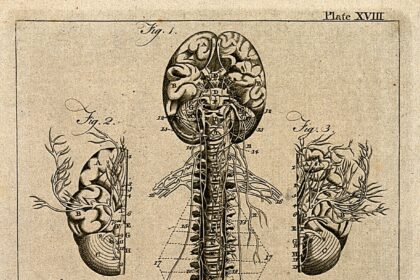
Why your spine is your body’s master communications network
Your spine is a master communications network housing 31 pairs of spinal nerves that control every organ, muscle, and sensation…

How Muscle Signals Protect the Brain: The Emerging Science of Myokines
Muscle contraction releases signaling molecules called myokines that protect brain health, support memory, and counteract cognitive aging. Different exercise types…

Creatine for Brain Health: What the Evidence Actually Shows
Creatine's muscle-building effects are supported by robust evidence, but cognitive claims rest on a weaker, population-specific foundation. A comprehensive literature…

The Brain’s Master Clock: How the Circadian System Controls Sleep, Hunger, and Metabolism
The suprachiasmatic nucleus, a rice-grain-sized brain structure, acts as your body's master clock, orchestrating 24-hour rhythms of sleep, hunger, metabolism,…

Choline deficiency overshadows folate and B12 in methylation metabolism
Ninety-two percent of US adults are deficient in choline, making it the most prevalent gap in methylation metabolism—yet it remains…

The Copper–Iron Paradox: Why Iron Supplementation Fails Without Copper
Copper deficiency creates a metabolic paradox: iron accumulates in tissues while bone marrow remains starved, producing anaemia identical to iron…

Mental Performance in Elite Football: How Top Players Use Psychology to Gain Competitive Advantage
Elite football players leverage cognitive psychology and mental performance techniques to enhance decision-making and tactical execution. Research reveals that world-class…