By using this site, you agree to the Privacy Policy and Terms of Use.
Accept
GMJ NewsGMJ NewsGMJ News
  • Latest News
    • GMJ Briefs
  • Podcast & Media
    • Podcast Episodes
    • GMJ Audio
    • GMJ Videos
  • Research Digest
    • New Studies
    • Georgian Research
    • Data & Numbers
  • Policy & Systems
    • Health Policy
    • Quality & Safety
    • Migration & Health
    • Global Health
  • Practice
    • Clinical Updates
    • Case Discussions
    • Pharmacy & Prescribing
    • Ingredients A-Z
  • Perspectives
    • Editorial
    • Explainers
    • Voices
    • Letters
  • GMJ Articles
    • Vol. 1 Issue 2 (2026)
    • Vol. 1 Issue 1 (2026)
    • Pre-Launch Articles (2025)
  • Read the Journal →
  • About GMJ News
Notification Show More
Font ResizerAa
GMJ NewsGMJ News
Font ResizerAa
  • Latest News
    • GMJ Briefs
  • Podcast & Media
    • Podcast Episodes
    • GMJ Audio
    • GMJ Videos
  • Research Digest
    • New Studies
    • Georgian Research
    • Data & Numbers
  • Policy & Systems
    • Health Policy
    • Quality & Safety
    • Migration & Health
    • Global Health
  • Practice
    • Clinical Updates
    • Case Discussions
    • Pharmacy & Prescribing
    • Ingredients A-Z
  • Perspectives
    • Editorial
    • Explainers
    • Voices
    • Letters
  • GMJ Articles
    • Vol. 1 Issue 2 (2026)
    • Vol. 1 Issue 1 (2026)
    • Pre-Launch Articles (2025)
  • Read the Journal →
  • About GMJ News
Follow US
GMJ News > GMJ Briefs > 250,000 Annual Deaths: The Hidden Cost of Rising Temperatures

250,000 Annual Deaths: The Hidden Cost of Rising Temperatures

GMJ
Last updated: 30/06/2026 22:26
By
Prof. Giorgi Pkhakadze
Share
1 Min Read
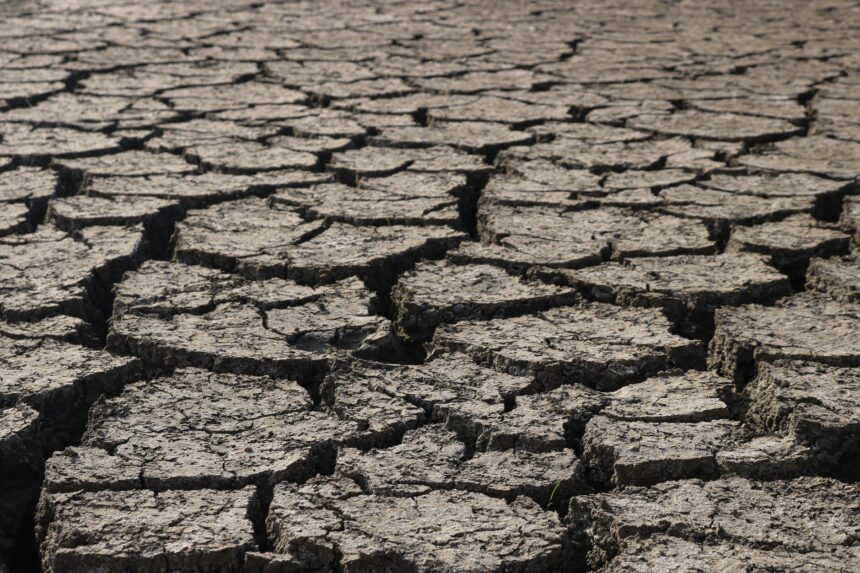
Climate change and health risks infographic showing temperature trends
Global temperatures are likely to reach record levels in the next five years according to WMO. Rising temperatures pose escalating threats to global health systems and vulnerable populations. — Photo by Feyza Daştan on Pexels (Pexels License)
SHARE
1 min read|138 words

The World Health Organization estimates a sobering reality: climate change could cause an additional 250,000 deaths annually between 2030 and 2050. Against the backdrop of the World Meteorological Organization’s prediction of record global temperatures in the next five years, this projection underscores the urgent need for climate health adaptation.

These deaths will disproportionately affect vulnerable populations already under strain from heat-related illness, vector-borne diseases, and food insecurity. The figure represents only direct climate-related mortality; indirect impacts through healthcare system disruption and compromised medical services may substantially increase this toll.

With record temperatures on the horizon, healthcare providers and policymakers face a narrowing window for action. Investment in climate-resilient health infrastructure, enhanced heat response protocols, and vulnerable population protection strategies has shifted from recommendation to necessity. The coming decade will determine whether health systems can mitigate these projected deaths through strategic adaptation.

Was this article helpful?

GMJ Brief · Key Finding

📰 Read the full article: Global Temperatures Likely to Set Records Over Next Five Years, WMO Warns →

Share This Article
Facebook LinkedIn Bluesky Copy Link Print
GMJ
ByProf. Giorgi Pkhakadze
Follow:
Prof. Giorgi Pkhakadze, MD, MPH, PhD, is Editor-in-Chief of the Georgian Medical Journal and Chair of the Public Health Institute of Georgia (PHIG). He is Professor and Head of the Department of Social and Behavioural Sciences at David Tvildiani Medical University, and Secretary/Treasurer of the UEMS Section of Public Health. ORCID: 0000-0001-7609-4515.

Submit Your Paper →

Georgia's peer-reviewed open-access medical journal. No APC until January 2027.
Submit Manuscript →
Personalized Cartilage Grafts Offer New Hope for Infants with Life-Threatening Airway Narrowing

Researchers at Children's Hospital of Philadelphia have developed personalized cartilage grafts using…

Beyond GLP-1 drugs: Why obesity care requires more than medication

GLP-1 medications like semaglutide and tirzepatide have transformed obesity treatment, yet leading…

How US immigration policy shapes maternal and child health outcomes

Immigration policy restrictions directly limit prenatal care access for undocumented women, reshaping…

Submit Your Paper to GMJ

No APC until January 2027.
Submit Manuscript →

You Might Also Like

Global HealthPolicy & Systems

US Ebola responders in Kenya face repatriation barriers amid outbreak

By
Prof. Giorgi Pkhakadze
06/06/2026
MHRA headquarters building representing regulatory equality framework implementation

MHRA Embeds Health Equity Into Core Regulatory Functions

By
Prof. Giorgi Pkhakadze
22/06/2026
Illustration of nanotechnology sensors being used for diabetes glucose monitoring

What You Need to Know About the Next Generation of Glucose Monitoring Technology

By
Prof. Giorgi Pkhakadze
27/06/2026
NHS hospital building with protest signs about patient advocacy

What NHS Watchdog Abolition Means for Patient Advocates and Healthcare Quality

By
Prof. Giorgi Pkhakadze
09/07/2026
Facebook Twitter Youtube Instagram
Company
  • Privacy Policy
  • Contact US
  • GMJ Journal
  • Submit Manuscript
  • Editorial Team
  • Register at GMJ
  • Terms of Use

Subscribe to GMJ News — Click here

Join Community
© 2026 Georgian Medical Journal (GMJ). Published by the Public Health Institute of Georgia (PHIG). All rights reserved.
Welcome Back!

Sign in to your account

Username or Email Address
Password

Lost your password?

Not a member? Sign Up