



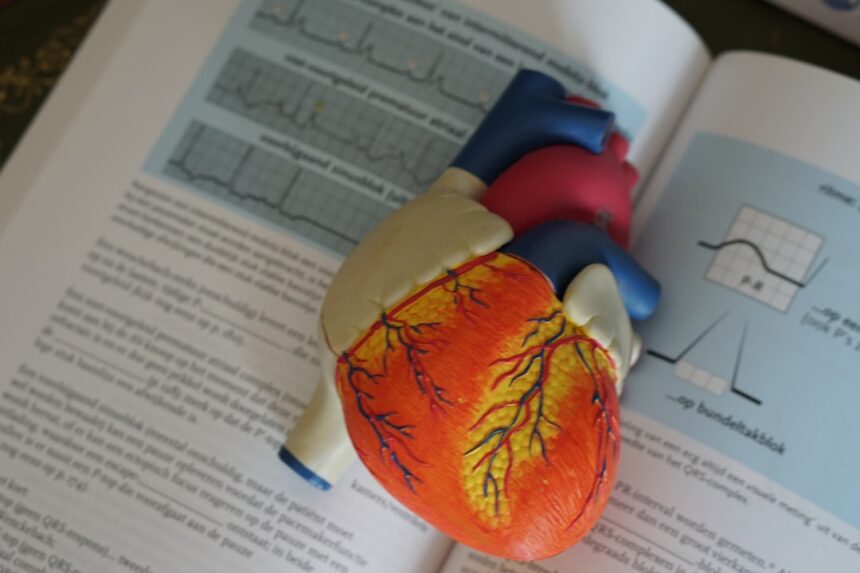
New data from Hänninen et al. highlights a striking prevalence gap: one in three hospitalized heart failure patients are thiamine deficient, compared with just 12% in control groups. Loop diuretics—the standard treatment for managing fluid overload—accelerate renal thiamine clearance, creating a metabolic vulnerability unique to this patient population. The challenge is compounded by the body’s minimal thiamine reserves: total storage capacity of only 25–30 mg can be exhausted within 2–3 weeks without daily replenishment. Without adequate thiamine, pyruvate cannot efficiently enter the citric acid cycle for energy production, instead shunting to lactate and reducing ATP generation. Yet despite these measurable biochemical consequences, thiamine is not part of routine blood monitoring panels, allowing deficiency to progress silently in millions of patients.
Was this article helpful?
