By using this site, you agree to the Privacy Policy and Terms of Use.
Accept
GMJ NewsGMJ NewsGMJ News
  • Latest News
    • GMJ Briefs
  • Podcast & Media
    • Podcast Episodes
    • GMJ Audio
    • GMJ Videos
  • Research Digest
    • New Studies
    • Georgian Research
    • Data & Numbers
  • Policy & Systems
    • Health Policy
    • Quality & Safety
    • Migration & Health
    • Global Health
  • Practice
    • Clinical Updates
    • Case Discussions
    • Pharmacy & Prescribing
    • Ingredients A-Z
  • Perspectives
    • Editorial
    • Explainers
    • Voices
    • Letters
  • Health Topics
  • GMJ Articles
    • Vol. 1 Issue 2 (2026)
    • Vol. 1 Issue 1 (2026)
    • Pre-Launch Articles (2025)
  • Read the Journal →
  • About GMJ News
Notification Show More
Font ResizerAa
GMJ NewsGMJ News
Font ResizerAa
  • Latest News
    • GMJ Briefs
  • Podcast & Media
    • Podcast Episodes
    • GMJ Audio
    • GMJ Videos
  • Research Digest
    • New Studies
    • Georgian Research
    • Data & Numbers
  • Policy & Systems
    • Health Policy
    • Quality & Safety
    • Migration & Health
    • Global Health
  • Practice
    • Clinical Updates
    • Case Discussions
    • Pharmacy & Prescribing
    • Ingredients A-Z
  • Perspectives
    • Editorial
    • Explainers
    • Voices
    • Letters
  • Health Topics
  • GMJ Articles
    • Vol. 1 Issue 2 (2026)
    • Vol. 1 Issue 1 (2026)
    • Pre-Launch Articles (2025)
  • Read the Journal →
  • About GMJ News
Follow US
GMJ News > GMJ Briefs > 40% of Body’s Methyl Supply Consumed by Daily Creatine Synthesis

40% of Body’s Methyl Supply Consumed by Daily Creatine Synthesis

GMJ
Last updated: 04/08/2026 21:30
By
Prof. Giorgi Pkhakadze
Share
1 Min Read
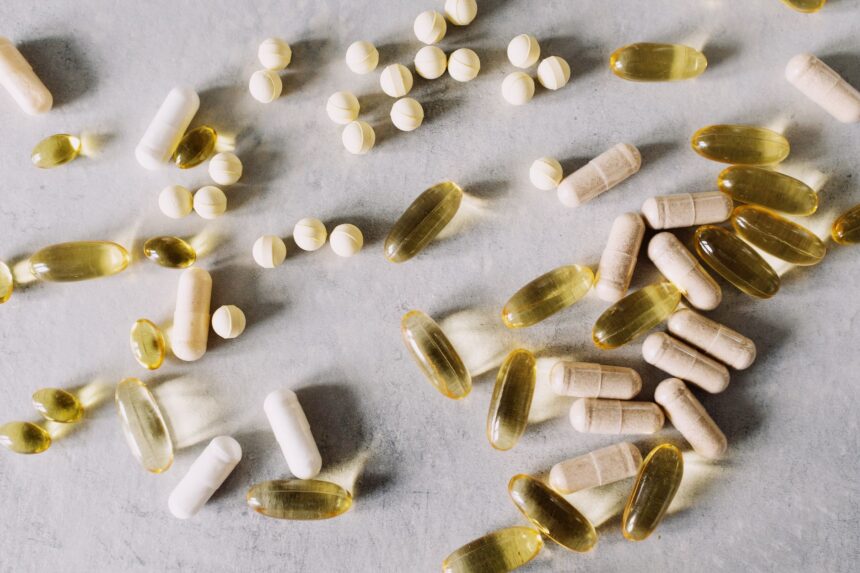
Diagram of creatine synthesis pathway and methylation cycle in human metabolism
Your body produces 2 grams of creatine daily, consuming 40% of your total methyl group supply. When you supplement creatine, this metabolic demand shifts, with implications for vegetarians, vegans, and metabolic health. — Photo by ready made on Pexels (Pexels License)
SHARE
1 min read|119 words

A landmark finding from Brosnan and colleagues (2011) quantifies creatine’s unexpected metabolic footprint: endogenous creatine synthesis consumes approximately 40% of the human body’s total methyl group supply. These methyl groups—chemical modifications essential for DNA repair, neurotransmitter production, and gene expression—represent one of the body’s most metabolically expensive resources. When dietary creatine supplementation is introduced, this calculation shifts dramatically. Edison et al. (2013) demonstrated in a randomized controlled trial that 3 grams daily creatine monohydrate significantly lowered plasma guanidinoacetate levels over 12 weeks, indicating genuine downregulation of the body’s synthesis machinery. This metabolic sparing effect represents a quantifiable intervention in one of the body’s major biochemical pathways, though clinical translation remains an active area of investigation. Read the full article on GMJ Newsroom.

Was this article helpful?

GMJ Brief · Key Finding

📰 Read the full article: How Creatine Supplements Reshape Your Body’s Methylation Cycle →

Related reference
  • Creatine · Ingredient
Share This Article
Facebook LinkedIn Bluesky Copy Link Print
GMJ
ByProf. Giorgi Pkhakadze
Follow:
Prof. Giorgi Pkhakadze, MD, MPH, PhD, is Editor-in-Chief of the Georgian Medical Journal and Chair of the Public Health Institute of Georgia (PHIG). He is Professor and Head of the Department of Social and Behavioural Sciences at David Tvildiani Medical University, and Secretary/Treasurer of the UEMS Section of Public Health. ORCID: 0000-0001-7609-4515.

Submit Your Paper →

Georgia's peer-reviewed open-access medical journal. No APC until January 2027.
Submit Manuscript →
Coffee’s Dose-Response Puzzle: Why 2–3 Cups Daily May Shield Against Dementia

Moderate coffee consumption—2 to 3 cups daily—is associated with the lowest dementia…

Bedroom Light at Night Linked to Metabolic Harm: What the Evidence Shows

Moderate bedroom light exposure triggers measurable metabolic harm within a single night…

Creatine and Kidney Damage: What the Evidence Actually Shows

A 2025 systematic review of 21 studies and analysis of 685 clinical…

Submit Your Paper to GMJ

No APC until January 2027.
Submit Manuscript →

You Might Also Like

Medical professionals discussing community health and reconciliation approaches

Medical Journals Amplify Reconciliation Discourse: CMAJ Volume 198 Documents Growing Healthcare Focus

By
Prof. Giorgi Pkhakadze
01/07/2026
Medical researcher in laboratory representing scientific independence under threat from new federal grantmaking rules

Four Decades Without Precedent: AAMC Chief Flags Unprecedented Research Funding Threat

By
Prof. Giorgi Pkhakadze
11/07/2026
Amish community healthcare practices and public health policy considerations

Three Essential Lessons Healthcare Providers Must Learn From Amish Community Health Challenges

By
Prof. Giorgi Pkhakadze
07/07/2026
Clinical UpdatesPolicy & SystemsPracticeQuality & Safety

Nearly 400 antibiotic-resistant infections per week in England in 2024, UK data shows

By
Prof. Giorgi Pkhakadze
29/06/2026
Facebook Twitter Youtube Instagram
Company
  • Privacy Policy
  • Contact US
  • GMJ Journal
  • Submit Manuscript
  • Editorial Team
  • Register at GMJ
  • Terms of Use

Subscribe to GMJ News — Click here

Join Community
© 2026 Georgian Medical Journal (GMJ). Published by the Public Health Institute of Georgia (PHIG). All rights reserved.
Welcome Back!

Sign in to your account

Username or Email Address
Password

Lost your password?

Not a member? Sign Up