By using this site, you agree to the Privacy Policy and Terms of Use.
Accept
GMJ NewsGMJ NewsGMJ News
  • Latest News
    • GMJ Briefs
  • Podcast & Media
    • Podcast Episodes
    • GMJ Audio
    • GMJ Videos
  • Research Digest
    • New Studies
    • Georgian Research
    • Data & Numbers
  • Policy & Systems
    • Health Policy
    • Quality & Safety
    • Migration & Health
    • Global Health
  • Practice
    • Clinical Updates
    • Case Discussions
    • Pharmacy & Prescribing
    • Ingredients A-Z
  • Perspectives
    • Editorial
    • Explainers
    • Voices
    • Letters
  • GMJ Articles
    • Vol. 1 Issue 2 (2026)
    • Vol. 1 Issue 1 (2026)
    • Pre-Launch Articles (2025)
  • Read the Journal →
  • About GMJ News
Notification Show More
Font ResizerAa
GMJ NewsGMJ News
Font ResizerAa
  • Latest News
    • GMJ Briefs
  • Podcast & Media
    • Podcast Episodes
    • GMJ Audio
    • GMJ Videos
  • Research Digest
    • New Studies
    • Georgian Research
    • Data & Numbers
  • Policy & Systems
    • Health Policy
    • Quality & Safety
    • Migration & Health
    • Global Health
  • Practice
    • Clinical Updates
    • Case Discussions
    • Pharmacy & Prescribing
    • Ingredients A-Z
  • Perspectives
    • Editorial
    • Explainers
    • Voices
    • Letters
  • GMJ Articles
    • Vol. 1 Issue 2 (2026)
    • Vol. 1 Issue 1 (2026)
    • Pre-Launch Articles (2025)
  • Read the Journal →
  • About GMJ News
Follow US
GMJ News > GMJ Briefs > 4,000-Person Study Proves Brain Training Works Across All Ages

4,000-Person Study Proves Brain Training Works Across All Ages

GMJ
Last updated: 13/07/2026 08:43
By
Prof. Giorgi Pkhakadze
Share
1 Min Read
Elderly person engaged in cognitive training exercise showing brain health improvement
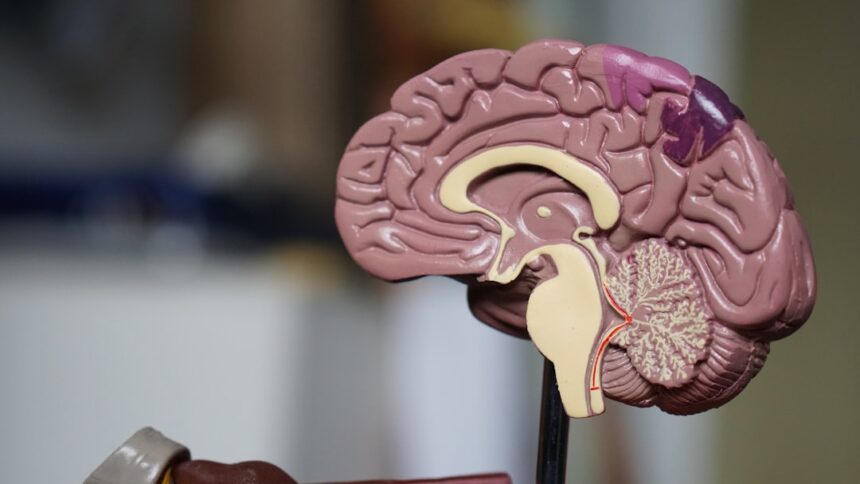
Three-year study of 4,000 adults aged 19-94 shows brain health can improve at any age through brief daily training. Research challenges assumptions about inevitable cognitive decline, documenting gains in thinking clarity and emotional well-being. — Photo by Robina Weermeijer on Unsplash (Unsplash License)
SHARE
1 min read|132 words

A comprehensive three-year study tracked 4,000 adults across a 75-year age span—from 19 to 94 years old—to evaluate the effectiveness of brief daily cognitive training. The results were striking: participants in every age cohort demonstrated measurable brain health improvements, with even the oldest participants in their 90s showing significant cognitive gains.

The protocol required only minutes of daily engagement, making the intervention highly practical and accessible. The statistical significance of improvements across multiple cognitive domains suggests that age alone is not a barrier to neurological enhancement. These findings directly contradict long-standing assumptions about inevitable cognitive decline with aging. The data indicate that structured, evidence-based interventions can effectively maintain and improve brain function regardless of chronological age, offering hope for healthy cognitive aging across the entire lifespan.

Read the full article on GMJ Newsroom.

Was this article helpful?

GMJ Brief · Key Finding

📰 Read the full article: Brain Health Can Improve Into 90s, Challenging Decline Assumptions →

Share This Article
Facebook LinkedIn Bluesky Copy Link Print
GMJ
ByProf. Giorgi Pkhakadze
Follow:
Prof. Giorgi Pkhakadze, MD, MPH, PhD, is Editor-in-Chief of the Georgian Medical Journal and Chair of the Public Health Institute of Georgia (PHIG). He is Professor and Head of the Department of Social and Behavioural Sciences at David Tvildiani Medical University, and Secretary/Treasurer of the UEMS Section of Public Health. ORCID: 0000-0001-7609-4515.

Submit Your Paper →

Georgia's peer-reviewed open-access medical journal. No APC until January 2027.
Submit Manuscript →
Light roast coffee retains highest chlorogenic acid levels, study shows

Light roast coffee preserves 8.0 mg/g of chlorogenic acids compared to 4.35…

Zinc depletion in athletes: why the standard RDA falls short during training

The human body stores only ~2 grams of zinc with no physiological…

How Your Body Switches Between Two Operating Systems: The Autonomic Nervous System Explained

Your body operates two competing nervous systems that constantly switch control. The…

Submit Your Paper to GMJ

No APC until January 2027.
Submit Manuscript →

You Might Also Like

Global HealthPolicy & Systems

WHO Declares Public Health Emergency as Ebola Outbreak Crosses DRC-Uganda Border

By
Prof. Giorgi Pkhakadze
31/05/2026
Medical illustration of bispecific antibody targeting cancer cells

Dual-Pathway Immunotherapy BNT327 Demonstrates Clinical Activity in Treatment-Resistant Lung Cancer

By
Prof. Giorgi Pkhakadze
11/06/2026
Global HealthPolicy & Systems

Unsafe Food Kills 1.5 Million People Annually, WHO Reports Disproportionate Child Deaths

By
Prof. Giorgi Pkhakadze
04/06/2026
Medical laboratory technician analyzing blood samples for multi-cancer early detection testing

What Clinicians Need to Know About Multi-Cancer Blood Test Results

By
Prof. Giorgi Pkhakadze
12/07/2026
Facebook Twitter Youtube Instagram
Company
  • Privacy Policy
  • Contact US
  • GMJ Journal
  • Submit Manuscript
  • Editorial Team
  • Register at GMJ
  • Terms of Use

Subscribe to GMJ News — Click here

Join Community
© 2026 Georgian Medical Journal (GMJ). Published by the Public Health Institute of Georgia (PHIG). All rights reserved.
Welcome Back!

Sign in to your account

Username or Email Address
Password

Lost your password?

Not a member? Sign Up