By using this site, you agree to the Privacy Policy and Terms of Use.
Accept
GMJ NewsGMJ NewsGMJ News
  • Latest News
    • GMJ Briefs
  • Podcast & Media
    • Podcast Episodes
    • GMJ Audio
    • GMJ Videos
  • Research Digest
    • New Studies
    • Georgian Research
    • Data & Numbers
  • Policy & Systems
    • Health Policy
    • Quality & Safety
    • Migration & Health
    • Global Health
  • Practice
    • Clinical Updates
    • Case Discussions
    • Pharmacy & Prescribing
    • Ingredients A-Z
  • Perspectives
    • Editorial
    • Explainers
    • Voices
    • Letters
  • GMJ Articles
    • Vol. 1 Issue 2 (2026)
    • Vol. 1 Issue 1 (2026)
    • Pre-Launch Articles (2025)
  • Read the Journal →
  • About GMJ News
Notification Show More
Font ResizerAa
GMJ NewsGMJ News
Font ResizerAa
  • Latest News
    • GMJ Briefs
  • Podcast & Media
    • Podcast Episodes
    • GMJ Audio
    • GMJ Videos
  • Research Digest
    • New Studies
    • Georgian Research
    • Data & Numbers
  • Policy & Systems
    • Health Policy
    • Quality & Safety
    • Migration & Health
    • Global Health
  • Practice
    • Clinical Updates
    • Case Discussions
    • Pharmacy & Prescribing
    • Ingredients A-Z
  • Perspectives
    • Editorial
    • Explainers
    • Voices
    • Letters
  • GMJ Articles
    • Vol. 1 Issue 2 (2026)
    • Vol. 1 Issue 1 (2026)
    • Pre-Launch Articles (2025)
  • Read the Journal →
  • About GMJ News
Follow US
GMJ News > GMJ Briefs > Animal Health Recognition Programme Demonstrates Direct Economic and Health Impact Over Three Decades

Animal Health Recognition Programme Demonstrates Direct Economic and Health Impact Over Three Decades

GMJ
Last updated: 07/07/2026 01:07
By
Prof. Giorgi Pkhakadze
Share
1 Min Read
WOAH animal health status recognition programme milestone infographic
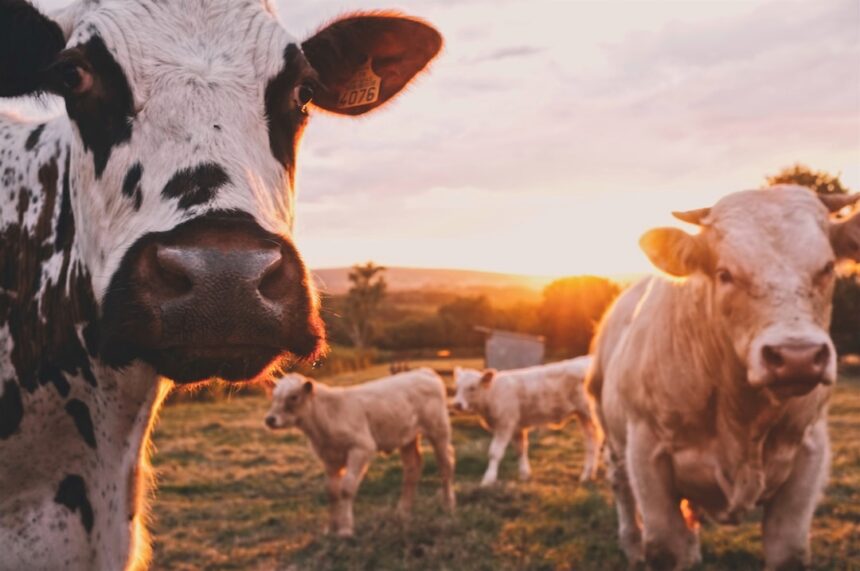
WOAH marks 30 years of its animal health recognition programme with new standards that strengthen global disease surveillance. The programme has granted over 150 official recognitions, supporting $200+ billion in annual global trade. — Photo by Stijn te Strake on Unsplash (Unsplash License)
SHARE
1 min read|137 words

Data from the World Organisation for Animal Health reveals the substantial scope of its animal health recognition programme: over 150 official disease status recognitions granted across three decades directly correlate with more than USD 200 billion in annual global trade facilitation. These figures demonstrate the tangible economic value of systematic disease surveillance and control measures.

The programme’s impact extends beyond commerce to public health security. Enhanced recognition standards now incorporate One Health frameworks that integrate animal health, human health, and environmental monitoring—essential for pandemic preparedness in an era of emerging zoonotic diseases. WOAH’s updated criteria reflect advances in diagnostic capabilities and surveillance technologies, enabling member countries to implement robust monitoring systems capable of rapid disease detection and response. This data-driven approach has proven instrumental in preventing disease spread while supporting safe international trade and strengthening global health resilience.

Was this article helpful?

GMJ Brief · Key Finding

📰 Read the full article: Global Animal Disease Control Reaches Major Milestone as WOAH Announces New Health Status Recognitions →

Related reference
  • Iron · Ingredient
Share This Article
Facebook LinkedIn Bluesky Copy Link Print
GMJ
ByProf. Giorgi Pkhakadze
Follow:
Prof. Giorgi Pkhakadze, MD, MPH, PhD, is Editor-in-Chief of the Georgian Medical Journal and Chair of the Public Health Institute of Georgia (PHIG). He is Professor and Head of the Department of Social and Behavioural Sciences at David Tvildiani Medical University, and Secretary/Treasurer of the UEMS Section of Public Health. ORCID: 0000-0001-7609-4515.

Submit Your Paper →

Georgia's peer-reviewed open-access medical journal. No APC until January 2027.
Submit Manuscript →
Trump Administration Removes Job Protections for Thousands of Federal Health Workers

Thousands of federal health workers at HHS agencies including CDC, FDA, and…

Rare Lymphatic-Urinary Fistula Causes Milky Urine in NEJM Case Report

A rare case of chyluria caused by a lymphatic-urinary fistula demonstrates how…

Gene Therapy Shows Promise for Inherited Cholesterol Disorder in First-in-Human Trial

First-in-human gene therapy trial shows preliminary safety and efficacy for treating homozygous…

Submit Your Paper to GMJ

No APC until January 2027.
Submit Manuscript →

You Might Also Like

Medical illustration showing dual PET imaging technology monitoring both cancer tumors and heart inflammation

What Oncologists Need to Know About New Dual-Function PET Imaging

By
Prof. Giorgi Pkhakadze
01/07/2026
Pancreatic cancer survival rates data visualization showing treatment outcomes by stage

New Precision Cancer Drug Reaches Patients via Expanded Access Program

By
Prof. Giorgi Pkhakadze
16/06/2026
Map showing Ebola outbreak regions in Central Africa with travel restriction indicators

WHO Declares Ebola Emergency as US Imposes Controversial Travel Restrictions

By
Prof. Giorgi Pkhakadze
01/06/2026

SITUATION BRIEF: Ebola Cross-Border Transmission DRC-Uganda with WHO PHEIC Declaration

By
Prof. Giorgi Pkhakadze
31/05/2026
Facebook Twitter Youtube Instagram
Company
  • Privacy Policy
  • Contact US
  • GMJ Journal
  • Submit Manuscript
  • Editorial Team
  • Register at GMJ
  • Terms of Use

Subscribe to GMJ News — Click here

Join Community
© 2026 Georgian Medical Journal (GMJ). Published by the Public Health Institute of Georgia (PHIG). All rights reserved.
Welcome Back!

Sign in to your account

Username or Email Address
Password

Lost your password?

Not a member? Sign Up