By using this site, you agree to the Privacy Policy and Terms of Use.
Accept
GMJ NewsGMJ NewsGMJ News
  • Latest News
    • GMJ Briefs
  • Podcast & Media
    • Podcast Episodes
    • GMJ Audio
    • GMJ Videos
  • Research Digest
    • New Studies
    • Georgian Research
    • Data & Numbers
  • Policy & Systems
    • Health Policy
    • Quality & Safety
    • Migration & Health
    • Global Health
  • Practice
    • Clinical Updates
    • Case Discussions
    • Pharmacy & Prescribing
    • Ingredients A-Z
  • Perspectives
    • Editorial
    • Explainers
    • Voices
    • Letters
  • Health Topics
  • GMJ Articles
    • Vol. 1 Issue 2 (2026)
    • Vol. 1 Issue 1 (2026)
    • Pre-Launch Articles (2025)
  • Read the Journal →
  • About GMJ News
Notification Show More
Font ResizerAa
GMJ NewsGMJ News
Font ResizerAa
  • Latest News
    • GMJ Briefs
  • Podcast & Media
    • Podcast Episodes
    • GMJ Audio
    • GMJ Videos
  • Research Digest
    • New Studies
    • Georgian Research
    • Data & Numbers
  • Policy & Systems
    • Health Policy
    • Quality & Safety
    • Migration & Health
    • Global Health
  • Practice
    • Clinical Updates
    • Case Discussions
    • Pharmacy & Prescribing
    • Ingredients A-Z
  • Perspectives
    • Editorial
    • Explainers
    • Voices
    • Letters
  • Health Topics
  • GMJ Articles
    • Vol. 1 Issue 2 (2026)
    • Vol. 1 Issue 1 (2026)
    • Pre-Launch Articles (2025)
  • Read the Journal →
  • About GMJ News
Follow US
GMJ News > GMJ Briefs > Announcement: Why Nutrients Work Better Together: How Coordinated Inputs Reshape Brain Synapses

Announcement: Why Nutrients Work Better Together: How Coordinated Inputs Reshape Brain Synapses

GMJ
Last updated: 11/08/2026 03:29
By
Prof. Giorgi Pkhakadze
Share
0 Min Read
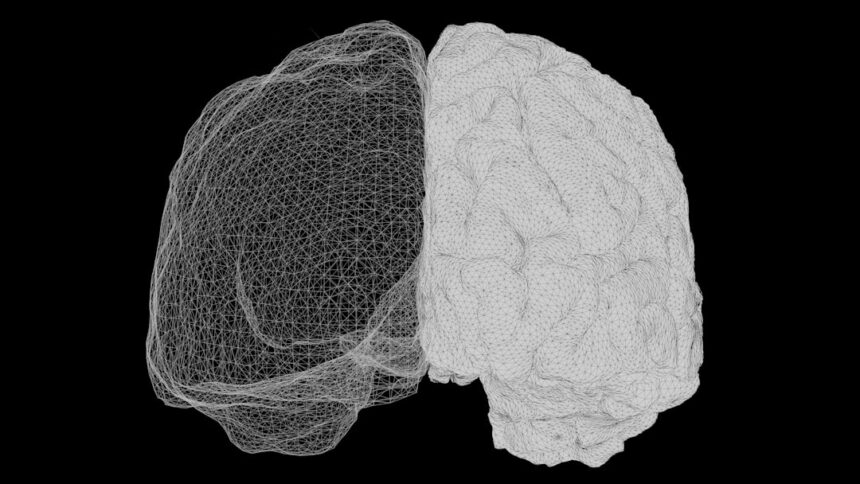
Illustration of synaptic reorganization showing coordinated nutrient effects on neural networks and receptor regulation
New neuroscience research reveals that synapses respond more robustly to coordinated nutrient combinations than to isolated nutrients, reshaping how researchers should design dietary intervention studies and how clinicians should counsel patients on brain health nutrition. — Photo by Shawn Day on Unsplash (Unsplash License)
SHARE
1 min read|50 words

Breaking: New research shows synapses respond MORE robustly to coordinated nutrient combinations than isolated nutrients. The shift isn't stronger signaling—it's MORE ORGANIZED signaling across brain circuits. This changes how we should design nutrition studies and counsel patients on brain health. 🧠

Read the full article on GMJ Newsroom →

Was this article helpful?

GMJ Brief · Announcement

📰 Read the full article: Why Nutrients Work Better Together: How Coordinated Inputs Reshape Brain Synapses →

Share This Article
Facebook LinkedIn Bluesky Copy Link Print
GMJ
ByProf. Giorgi Pkhakadze
Follow:
Prof. Giorgi Pkhakadze, MD, MPH, PhD, is Editor-in-Chief of the Georgian Medical Journal and Chair of the Public Health Institute of Georgia (PHIG). He is Professor and Head of the Department of Social and Behavioural Sciences at David Tvildiani Medical University, and Secretary/Treasurer of the UEMS Section of Public Health. ORCID: 0000-0001-7609-4515.

Submit Your Paper →

Georgia's peer-reviewed open-access medical journal. No APC until January 2027.
Submit Manuscript →
Mechanism of chemotherapy resistance in ovarian cancer identified—and reversible

Michigan State University researchers have identified a protein mechanism that confers chemotherapy…

Mobile HPV screening aboard river ships reaches cervical cancer care to remote Amazon communities

A mobile point-of-care HPV screening and treatment strategy delivered by river vessels…

Healthy Diet and Exercise Cut Disease Risk Even Without Weight Loss, Major US Study Finds

New analysis of three US cohorts published in The Lancet Regional Health—Americas…

Submit Your Paper to GMJ

No APC until January 2027.
Submit Manuscript →

You Might Also Like

Medical illustration showing retinal nerve fiber analysis in diabetic eye examination

Blood Protein Model Outperforms Traditional Methods by 17 Percentage Points in Predicting Eye Complications

By
Prof. Giorgi Pkhakadze
20/06/2026
Laboratory technician performing avian influenza testing with RT-PCR equipment

EU Adopts Unified H5N1 Detection Framework to Strengthen Cross-Border Disease Control

By
Prof. Giorgi Pkhakadze
17/07/2026
Medical illustration showing pregnancy medication safety considerations and NSAID research

Managing Pain in Early Pregnancy: What Patients and Clinicians Need to Know About NSAIDs

By
Prof. Giorgi Pkhakadze
16/07/2026
Grandparent and grandchild having meaningful conversation outdoors

Measurable Impact: Children with Grandparent Support Show Significantly Better Emotional Health

By
Prof. Giorgi Pkhakadze
13/07/2026
Facebook Twitter Youtube Instagram
Company
  • Privacy Policy
  • Contact US
  • GMJ Journal
  • Submit Manuscript
  • Editorial Team
  • Register at GMJ
  • Terms of Use

Subscribe to GMJ News — Click here

Join Community
© 2026 Georgian Medical Journal (GMJ). Published by the Public Health Institute of Georgia (PHIG). All rights reserved.
Welcome Back!

Sign in to your account

Username or Email Address
Password

Lost your password?

Not a member? Sign Up