By using this site, you agree to the Privacy Policy and Terms of Use.
Accept
GMJ NewsGMJ NewsGMJ News
  • Latest News
    • GMJ Briefs
  • Podcast & Media
    • Podcast Episodes
    • GMJ Audio
    • GMJ Videos
  • Research Digest
    • New Studies
    • Georgian Research
    • Data & Numbers
  • Policy & Systems
    • Health Policy
    • Quality & Safety
    • Migration & Health
    • Global Health
  • Practice
    • Clinical Updates
    • Case Discussions
    • Pharmacy & Prescribing
    • Ingredients A-Z
  • Perspectives
    • Editorial
    • Explainers
    • Voices
    • Letters
  • GMJ Articles
    • Vol. 1 Issue 2 (2026)
    • Vol. 1 Issue 1 (2026)
    • Pre-Launch Articles (2025)
  • Read the Journal →
  • About GMJ News
Notification Show More
Font ResizerAa
GMJ NewsGMJ News
Font ResizerAa
  • Latest News
    • GMJ Briefs
  • Podcast & Media
    • Podcast Episodes
    • GMJ Audio
    • GMJ Videos
  • Research Digest
    • New Studies
    • Georgian Research
    • Data & Numbers
  • Policy & Systems
    • Health Policy
    • Quality & Safety
    • Migration & Health
    • Global Health
  • Practice
    • Clinical Updates
    • Case Discussions
    • Pharmacy & Prescribing
    • Ingredients A-Z
  • Perspectives
    • Editorial
    • Explainers
    • Voices
    • Letters
  • GMJ Articles
    • Vol. 1 Issue 2 (2026)
    • Vol. 1 Issue 1 (2026)
    • Pre-Launch Articles (2025)
  • Read the Journal →
  • About GMJ News
Follow US
GMJ News > GMJ Briefs > Australian Researchers Unveil Nanotechnology Platform to Revolutionize Diabetes Monitoring

Australian Researchers Unveil Nanotechnology Platform to Revolutionize Diabetes Monitoring

GMJ
Last updated: 03/06/2026 22:06
By
GMJ News Desk
Share
1 Min Read
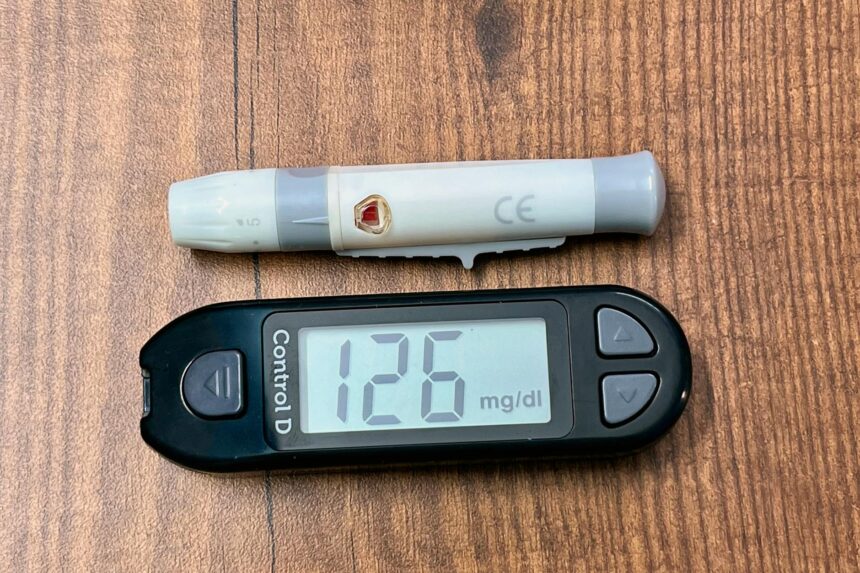
Illustration of nanotechnology sensors being used for diabetes glucose monitoring
Australian researchers develop nanotechnology sensors that could revolutionize diabetes monitoring by making glucose testing more accurate and less invasive. The innovation could benefit 537 million adults worldwide living with diabetes. — Photo: Arunangshu Banerjee / Pexels
SHARE
1 min read|135 words

Researchers at Australian National University have developed innovative nanoscale glucose sensors that promise to fundamentally transform diabetes care for millions worldwide. This breakthrough nanotechnology addresses a critical gap in current monitoring systems by offering unprecedented accuracy and sensitivity in glucose detection.

The new sensors eliminate the need for frequent, uncomfortable finger-stick blood samples that many diabetes patients find burdensome. While continuous glucose monitors exist, they remain costly and require regular calibration with traditional blood glucose meters. This nanotechnology platform overcomes these limitations by providing real-time glucose readings through less invasive mechanisms.

With 537 million adults globally living with diabetes, improved monitoring technology could significantly enhance patient compliance and health outcomes. By making glucose monitoring more accessible and comfortable, this innovation has the potential to transform daily diabetes management and reduce the burden of chronic disease care.

Was this article helpful?
GMJ Brief · Announcement

📰 Read the full article: Nanotechnology Innovation Promises to Transform Diabetes Monitoring and Care →

Share This Article
Facebook LinkedIn Bluesky Copy Link Print

Submit Your Paper →

Georgia's peer-reviewed open-access medical journal. No APC until January 2027.
Submit Manuscript →
Women’s Empowerment Programs in Poor Countries Lack Clear Measurement Standards

A comprehensive scoping review reveals significant gaps in how women's empowerment programs…

Brown Dog Tick Linked to Fatal SFTS Case with Multiorgan Failure in Thailand

Thai researchers document first confirmed case of SFTS virus transmission by brown…

New Antiviral Drug Shows Promise Against COVID-19 in Clinical Research

New research examines inosine pranobex, an established antiviral drug, as a potential…

Submit Your Paper to GMJ

No APC until January 2027.
Submit Manuscript →

You Might Also Like

Map showing geographic distribution of measles cases and vaccination coverage in South Carolina

Geographic Disparities in Vaccination Rates Drive Measles Clustering Across South Carolina

By
GMJ News Desk
31/05/2026

🚨 🧠 SITUATION BRIEF: WHO PHEIC Declaration for Cross-Border Ebola Outbreak (DRC-Uganda)

By
GMJ News Desk
31/05/2026
Medical illustration showing osteomyelitis bone infection with diagnostic imaging

Nature Reviews Analysis Synthesizes Latest Evidence on Osteomyelitis Diagnosis and Management

By
GMJ News Desk
05/06/2026
Global HealthPolicy & Systems

WHO Declares International Emergency as Ebola Outbreak in DRC Exceeds 900 Cases with Uganda Spread

By
GMJ News Desk
31/05/2026
Facebook Twitter Youtube Instagram
Company
  • Privacy Policy
  • Contact US
  • GMJ Journal
  • Submit Manuscript
  • Editorial Team
  • Register at GMJ
  • Terms of Use

Subscribe to GMJ News — Click here

Join Community
© 2026 Georgian Medical Journal (GMJ). Published by the Public Health Institute of Georgia (PHIG). All rights reserved.
Welcome Back!

Sign in to your account

Username or Email Address
Password

Lost your password?

Not a member? Sign Up