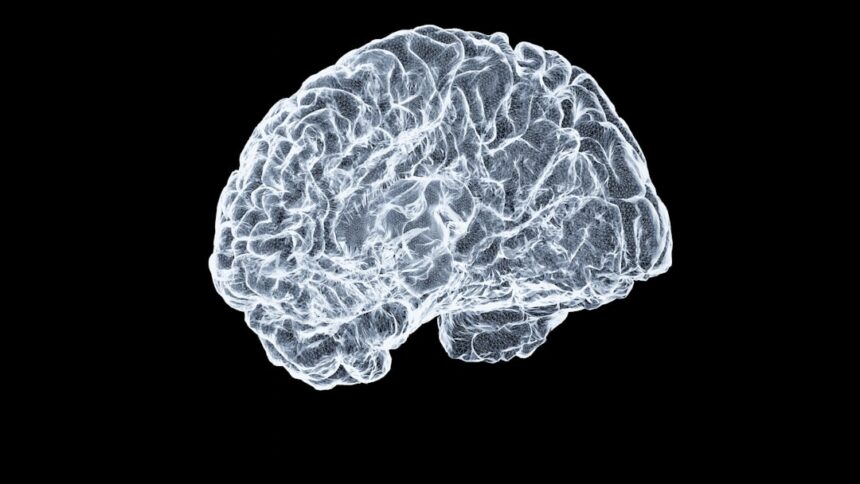
The human brain consumes approximately one-fifth of the body’s total energy output while representing only 2% of body mass, establishing it as the most metabolically demanding organ. Yet despite this extraordinary baseline consumption, intensive cognitive tasks increase brain energy use by merely 5% above resting demands. This striking disparity underscores a fundamental truth in neuroscience: the vast majority of cerebral energy expenditure goes toward maintaining neural infrastructure rather than supporting conscious thought. Neurons require constant energy to maintain ion gradients, preserve synaptic connections, recycle neurotransmitters, and consolidate memories—processes that continue regardless of whether you are solving complex problems or resting. This metabolic reality reshapes our understanding of cognitive fatigue and suggests that peripheral factors like glucose stability and sleep quality may be more consequential for mental performance than previously recognized. Read the full article on GMJ Newsroom.
Was this article helpful?