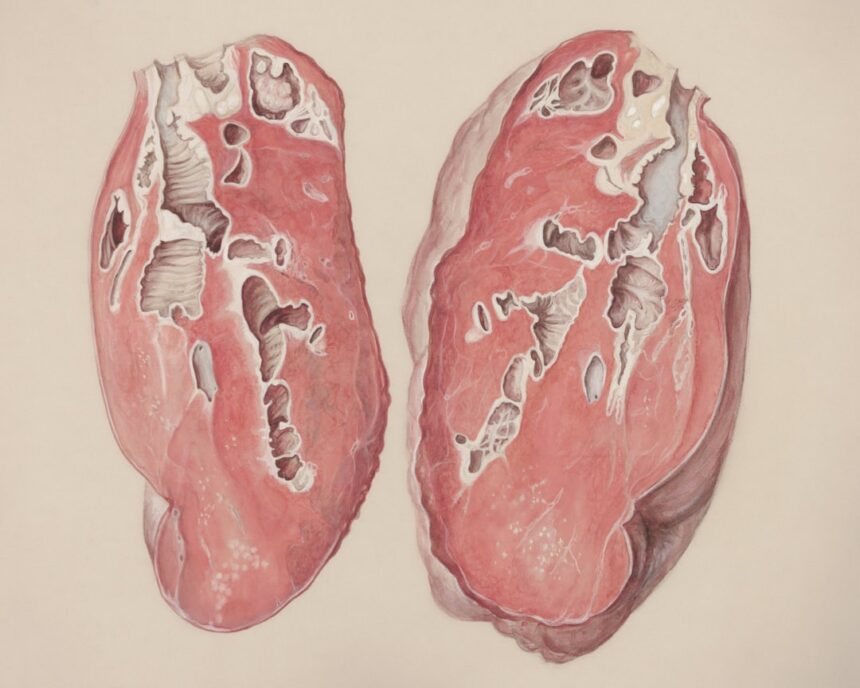
A comprehensive analysis of Candida auris endocarditis cases reveals striking epidemiological patterns that should inform clinical vigilance in high-risk hospital populations. Central venous catheters were present in 90% of documented cases, while 85% of patients required intensive care admission—underscoring the association between invasive procedures and this life-threatening infection.
Additionally, 80% of affected patients had prior antibiotic exposure, and 75% were immunocompromised, highlighting the cumulative effect of multiple risk factors. The multidrug-resistant nature of Candida auris, with documented resistance to azole and echinocandin classes, further complicates treatment decisions and elevates the importance of early detection through rapid fungal speciation and molecular diagnostics. These statistics underscore the critical need for enhanced diagnostic capacity and antimicrobial stewardship in clinical microbiology laboratories.
Read the full article on GMJ Newsroom.
Was this article helpful?