By using this site, you agree to the Privacy Policy and Terms of Use.
Accept
GMJ NewsGMJ NewsGMJ News
  • Latest News
    • GMJ Briefs
  • Podcast & Media
    • Podcast Episodes
    • GMJ Audio
    • GMJ Videos
  • Research Digest
    • New Studies
    • Georgian Research
    • Data & Numbers
  • Policy & Systems
    • Health Policy
    • Quality & Safety
    • Migration & Health
    • Global Health
  • Practice
    • Clinical Updates
    • Case Discussions
    • Pharmacy & Prescribing
    • Ingredients A-Z
  • Dictionary
    • Browse A–Z
    • About the Project
    • Contribute a Term
  • Perspectives
    • Editorial
    • Explainers
    • Voices
    • Letters
  • Health Topics
  • GMJ Articles
    • Vol. 1 Issue 2 (2026)
    • Vol. 1 Issue 1 (2026)
    • Pre-Launch Articles (2025)
  • Read the Journal →
  • About GMJ News
Notification Show More
Font ResizerAa
GMJ NewsGMJ News
Font ResizerAa
  • Latest News
    • GMJ Briefs
  • Podcast & Media
    • Podcast Episodes
    • GMJ Audio
    • GMJ Videos
  • Research Digest
    • New Studies
    • Georgian Research
    • Data & Numbers
  • Policy & Systems
    • Health Policy
    • Quality & Safety
    • Migration & Health
    • Global Health
  • Practice
    • Clinical Updates
    • Case Discussions
    • Pharmacy & Prescribing
    • Ingredients A-Z
  • Dictionary
    • Browse A–Z
    • About the Project
    • Contribute a Term
  • Perspectives
    • Editorial
    • Explainers
    • Voices
    • Letters
  • Health Topics
  • GMJ Articles
    • Vol. 1 Issue 2 (2026)
    • Vol. 1 Issue 1 (2026)
    • Pre-Launch Articles (2025)
  • Read the Journal →
  • About GMJ News
Follow US
GMJ News > GMJ Briefs > Clinical Evidence: AI Systems Possess Only 2-8% of Core Mental Health Competencies

Clinical Evidence: AI Systems Possess Only 2-8% of Core Mental Health Competencies

GMJ
Last updated: 25/08/2026 07:29
By
Prof. Giorgi Pkhakadze
Share
1 Min Read
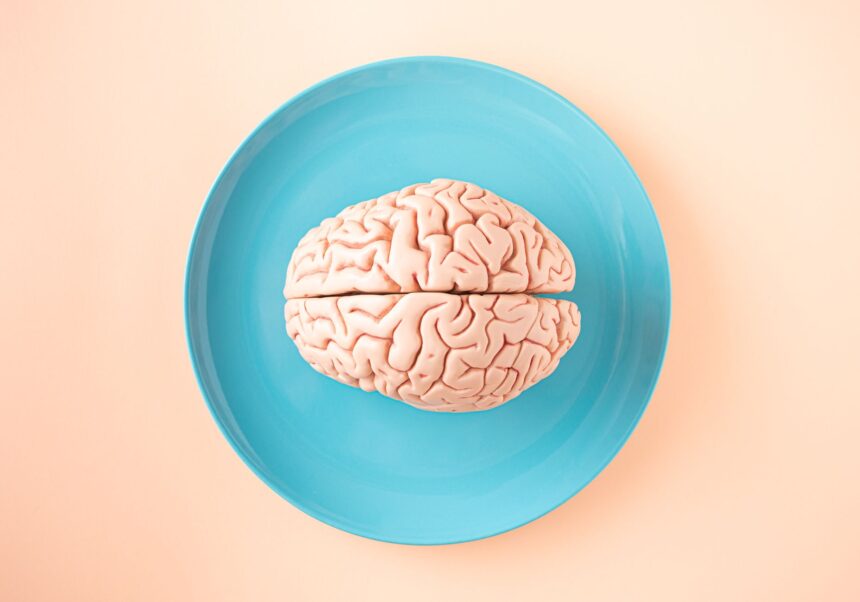
Illustration showing clinical differences between AI systems and mental health professionals in diagnosis and therapy
Mental health professionals warn that artificial intelligence conversational systems cannot replace clinical diagnosis, risk assessment, or psychotherapy. While AI tools may support information-seeking and supplementary care, public confusion about their clinical capabilities poses significant risks to vulnerable populations. — Photo by Amel Uzunovic on Pexels (Pexels License)
SHARE
1 min read|146 words

New clinical assessments reveal a stark gap in AI capability: large language models demonstrate only 2-8% of the core competencies required for mental health practice. These critical competencies—diagnosis, risk assessment, and therapeutic treatment—form the foundation of licensed clinical care and cannot be adequately replicated by current AI systems.

This significant deficit underscores why AI cannot serve as a substitute for professional mental health services. While conversational systems may generate contextually appropriate responses that feel supportive, they operate without the diagnostic frameworks, clinical judgment, and accountability mechanisms essential to treating mental illness. The American Psychiatric Association explicitly distinguishes between supportive conversation and clinical diagnosis—a distinction that directly informs evidence-based standards of care.

Clinicians emphasize that AI should supplement, never replace, professional therapy. As digital mental health tools proliferate, understanding their genuine capabilities versus their limitations remains essential for clinical safety and appropriate patient care.

Was this article helpful?

GMJ Brief · Key Finding

📰 Read the full article: AI Mental Health Tools Are Not Therapy: Why Clinicians Warn Against Substitution →

Share This Article
Facebook LinkedIn Bluesky Copy Link Print
GMJ
ByProf. Giorgi Pkhakadze
Follow:
Prof. Giorgi Pkhakadze, MD, MPH, PhD, is Editor-in-Chief of the Georgian Medical Journal and Chair of the Public Health Institute of Georgia (PHIG). He is Professor and Head of the Department of Social and Behavioural Sciences at David Tvildiani Medical University, and Secretary/Treasurer of the UEMS Section of Public Health. ORCID: 0000-0001-7609-4515.

Submit Your Paper →

Georgia's peer-reviewed open-access medical journal. No APC until January 2027.
Submit Manuscript →
Ethiopia Study Reveals Stakeholder Concerns Over Novel Malaria Treatments

A qualitative study in Ethiopia reveals that health workers and patients view…

Sitafloxacin monotherapy matches doxycycline-rifampicin for brucellosis treatment in landmark trial

A multicenter randomized trial in The Lancet Regional Health – Western Pacific…

Ultra-processed foods linked to higher kidney cancer risk in large US study

A prospective analysis of over 300,000 US adults found that higher consumption…

Submit Your Paper to GMJ

No APC until January 2027.
Submit Manuscript →

You Might Also Like

Bar chart showing hypertension diagnosis and treatment rates by wealth quintile in Bangladesh

Key Finding: Hypertension in Bangladesh: wealth gap widens treatment divide, survey finds

By
Prof. Giorgi Pkhakadze
22/08/2026
Scientific research documentation showing vaccine effectiveness data and peer review process

Announcement: Controversial COVID-19 Vaccine Study Published After CDC Journal Rejection

By
Prof. Giorgi Pkhakadze
15/08/2026
Medical students training in realistic hospital simulation ward with modern equipment

Clinical Readiness Crisis: Survey Reveals 87% of Medical Students Feel Unprepared for Practice

By
Prof. Giorgi Pkhakadze
12/07/2026
Infographic showing global blood donation statistics and safety improvements by WHO

WHO Celebrates Blood Safety Milestone as Voluntary Donations Surpass 85% Globally

By
Prof. Giorgi Pkhakadze
05/07/2026
Facebook Twitter Youtube Instagram
Company
  • Privacy Policy
  • Contact US
  • GMJ Journal
  • Submit Manuscript
  • Editorial Team
  • Register at GMJ
  • Terms of Use

Subscribe to GMJ News — Click here

Join Community
© 2026 Georgian Medical Journal (GMJ). Published by the Public Health Institute of Georgia (PHIG). All rights reserved.
Welcome Back!

Sign in to your account

Username or Email Address
Password

Lost your password?