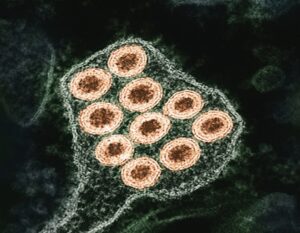
A Cyclospora cayetanensis outbreak linked to contaminated iceberg lettuce has expanded beyond its initial geographic boundaries, now affecting four additional states according to ongoing surveillance by the United States Centers for Disease Control and Prevention (CDC). The expansion signals a broader distribution chain than originally identified and raises questions about produce supply chain safety protocols.
Key takeaways
- Cyclospora outbreak source linked to iceberg lettuce has now spread to four new states beyond initial identification
- Cyclospora cayetanensis causes cyclosporiasis, an intestinal infection typically presenting with diarrhoea, fatigue, and abdominal cramping
- The CDC recommends thorough washing of produce and investigation of supply chain distribution to prevent further transmission
- Consumers should monitor for gastrointestinal symptoms 2-14 days after lettuce consumption
Cyclospora outbreak: Key symptoms and timeline
Clinical presentation and recommended follow-up after suspected contaminated produce exposure
Source: CDC Parasites & Diseases Division, 2024 | Georgian Medical Journal News
Outbreak scope and geographic expansion
The CDC’s foodborne outbreak investigation has documented cases across multiple jurisdictions linked to a single iceberg lettuce source. The four-state expansion indicates that contaminated produce distribution extended through multiple retail and foodservice chains, suggesting a widespread supplier network rather than localized contamination. Environmental testing and traceback investigations are ongoing to identify the exact point of contamination within the agricultural supply chain.

Cyclospora, a protozoan parasite, requires 7–8 days outside the human host to become infectious, making contamination during growing, harvesting, or post-harvest processing the most likely exposure point. The FDA has coordinated with state health departments to trace distribution routes and issue targeted recalls.
Clinical recognition and patient management
Healthcare providers in affected states should maintain high clinical suspicion for cyclosporiasis in patients presenting with unexplained diarrhoea and recent iceberg lettuce consumption. Symptoms typically include watery diarrhoea, abdominal cramping, fatigue, and anorexia, with onset occurring 2–14 days after exposure according to CDC surveillance data. Diagnosis requires stool microscopy or molecular testing; standard bacterial culture will not detect the parasite.
Cyclosporiasis causes acute watery diarrhoea and abdominal cramping 2–14 days after consumption of contaminated produce, with symptoms potentially lasting 7–10 days without treatment and considerably longer if untreated in immunocompromised patients.
— CDC Division of Parasitic Diseases and Malaria (CDC Parasites Resource Centre)
First-line antimicrobial therapy is trimethoprim-sulfamethoxazole (TMP-SMX) administered for 7 days, according to CDC treatment guidelines. Supportive care including fluid and electrolyte replacement is essential. Immunocompromised patients—including those with HIV/AIDS—may experience prolonged or severe infection and require extended prophylaxis.
Immediate public health response and consumer guidance
The CDC’s Food Safety Office has issued advisories recommending that consumers avoid iceberg lettuce from the identified supplier until further notice. For consumers in affected states, thorough washing of all produce under running water and avoiding consumption of iceberg lettuce from potentially contaminated sources are the most effective prevention measures. The parasite is not inactivated by standard refrigeration or typical kitchen sanitation alone.
Food service establishments and retailers have been instructed to verify supplier documentation and discontinue sales of iceberg lettuce from the suspect source. Supply chain traceability systems will inform the scope and duration of distribution alerts. Public health authorities continue surveillance for additional cases and are coordinating with healthcare facilities to ensure prompt reporting of suspected cyclosporiasis.
What this means
Frequently asked questions
Is all iceberg lettuce unsafe?
No. Only iceberg lettuce traced to the specific supplier identified in this outbreak is implicated. However, consumers in affected states may choose to avoid iceberg lettuce until the supplier and contamination source are definitively identified. Other produce types and iceberg lettuce from other suppliers remain safe if properly sourced and handled.
What should I do if I ate contaminated lettuce?
Monitor for symptoms (diarrhoea, abdominal cramps, fatigue) for up to 2 weeks after exposure. If symptoms develop, avoid sharing food, practise rigorous handwashing, and seek medical evaluation. Bring the lettuce packaging or receipt to your healthcare visit to aid investigation.
Can washing lettuce eliminate the parasite?
Standard washing reduces bacterial contamination but may not completely eliminate Cyclospora oocysts, which are highly resistant to physical and chemical treatment. Boiling (65°C for at least 1 minute) is the only reliable method to inactivate the parasite in food.
The CDC continues active surveillance and epidemiological investigation into the source and scope of this outbreak. Health departments in affected states are urging healthcare providers and laboratories to report suspected and confirmed cyclosporiasis cases promptly, enabling rapid identification of additional cases and prevention of further transmission. Consumers and food industry stakeholders should monitor official CDC and state health department guidance for updates on recall status and supply chain clearance.
Source: CDC Parasites & Diseases Division and CDC Food Safety Office
Was this article helpful?
Related Coverage