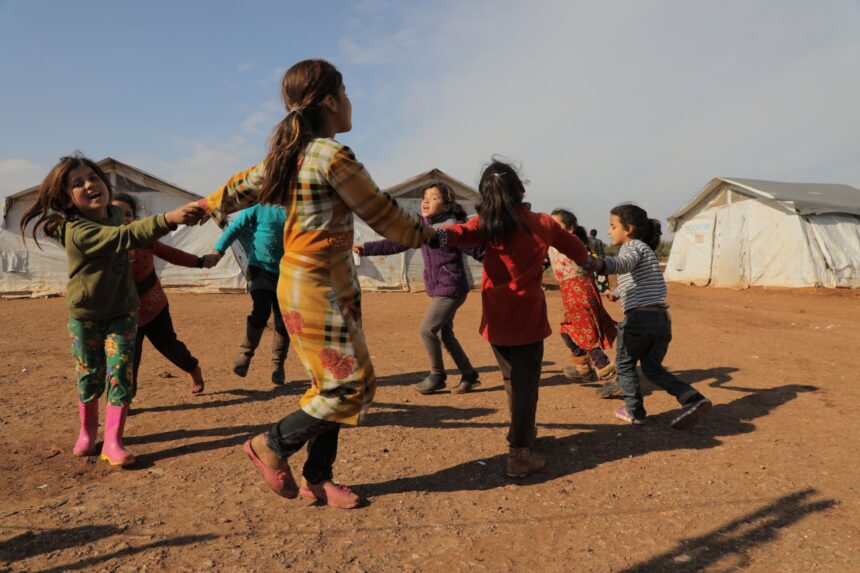
The UCL–Lancet Commission’s 2026 progress review reveals a sobering reality: only 28% of signatory nations have integrated refugee and migrant populations into routine healthcare systems since 2018—despite global displacement continuing to rise. Legal framework adoption sits at 44%, while vaccination access parity remains at 62%.
n Yet pandemic-era data offers hope. COVID-19 vaccination campaigns achieved parity between refugee camps and general populations, demonstrating that inclusive health interventions work when resources align with political will. Emergency response integration now leads implementation metrics at 68%, suggesting that crisis-driven coordination can accelerate systemic change.
This disconnect between capacity and implementation underscores a critical lesson: the barriers to migrant health integration are not technical or logistical, but political.
Was this article helpful?