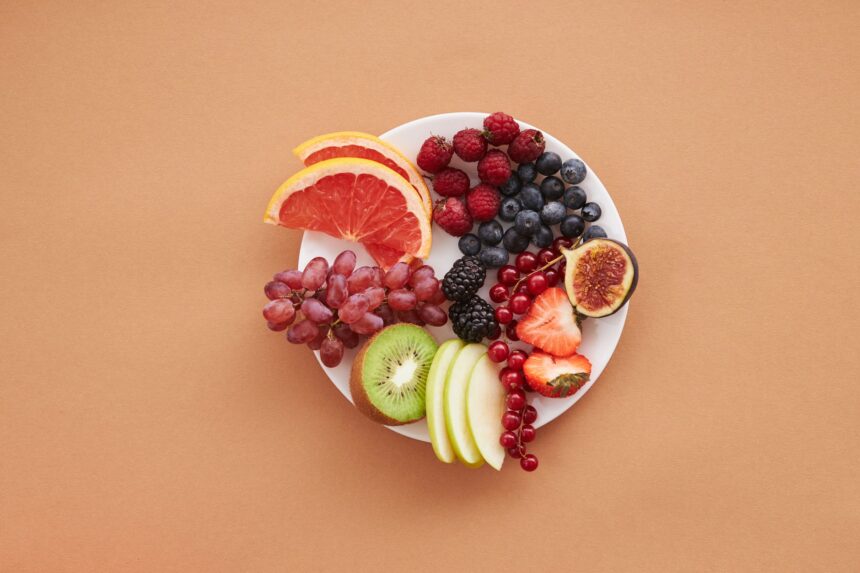
A striking disparity in flavanol content across common fruits has emerged from recent nutritional research, with implications for cardiovascular disease prevention strategies. Blackberries contain 162 mg of flavanols per 100 grams—more than twelve times the concentration found in bananas, which provide only 13 mg per 100g. This substantial variation suggests that conventional fruit consumption recommendations may inadvertently steer consumers toward lower-nutrient options.
Other flavanol-rich alternatives include cherries (126 mg/100g), apples with skin (110 mg/100g), and plums (89 mg/100g). These compounds function as antioxidants in plant tissues and appear to confer measurable protective effects on vascular and cardiac function in human populations. The evidence-based ranking of flavanol-dense produce provides clinicians and nutritionists with actionable data for personalized dietary counseling focused on cardiovascular risk reduction. Read the full article on GMJ Newsroom.
Was this article helpful?