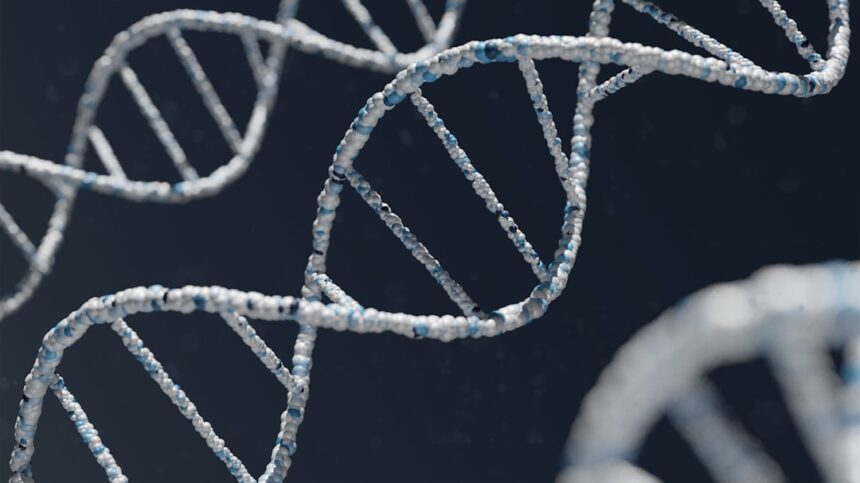
Researchers at Harvard University have developed a silicon microchip that synthesizes DNA sequences using electrical current and water-based enzymes, marking a significant departure from conventional solvent-dependent chemistry. This electrochemical platform eliminates the need for toxic organic solvents traditionally required in DNA manufacturing, offering a more sustainable approach to genetic engineering. The breakthrough enables parallel synthesis of dozens of DNA sequences simultaneously on a single chip, paving the way for portable DNA writing devices that could revolutionize gene therapy manufacturing and accelerate personalized medicine. While additional chemistry development is needed to achieve industrial-scale production, the platform represents a fundamental advancement in making genetic engineering more accessible and environmentally responsible. Applications range from point-of-care diagnostics to decentralized DNA production facilities. Read the full article on GMJ Newsroom.
Was this article helpful?