🟢 Strong Evidence
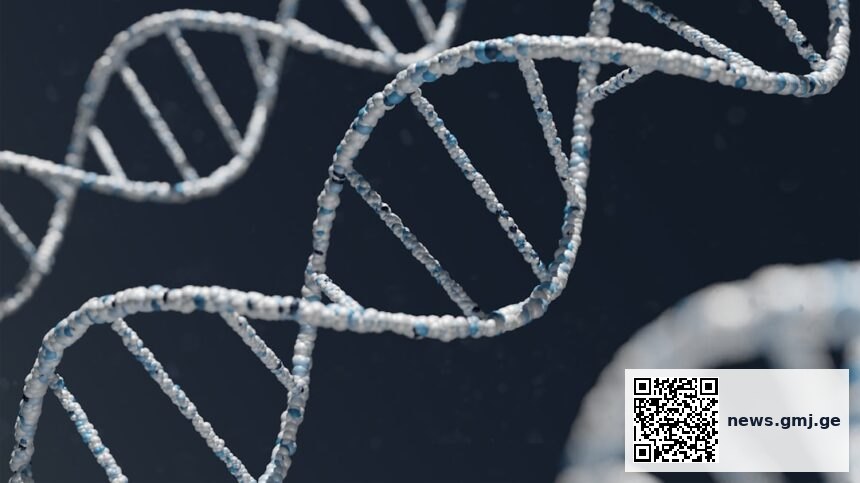
Researchers at Harvard University have engineered a silicon microchip capable of synthesizing dozens of DNA sequences simultaneously using electrical current and water-based enzymes, eliminating the need for toxic organic solvents used in conventional DNA manufacturing. The platform represents a significant technical advance toward scalable, portable DNA synthesis and could eventually enable decentralized genetic engineering and massive-capacity DNA data storage applications, though additional chemistry development will be required to achieve industrial-scale production.
Key takeaways
- A silicon chip can now write multiple DNA sequences at once using electricity and aqueous enzymes, replacing solvent-dependent chemical synthesis
- The technology is inherently more environmentally sustainable, avoiding toxic organic chemicals currently required in DNA manufacturing
- Potential applications range from portable DNA writing devices to DNA-based information storage, though scale-up chemistry remains under development
- This work advances the field of synthetic biology by enabling distributed, on-demand DNA production
Study at a Glance
| Institution | Harvard University |
| Technology | Electrochemical DNA synthesis on silicon microchip |
| Key innovation | Aqueous enzyme-based synthesis replacing organic solvents |
| Scale | Parallel synthesis of dozens of DNA sequences simultaneously |
| Application timeline | Near-term: portable devices; longer-term: data storage and industrial synthesis |
DNA synthesis methods: from benchtop chemistry to silicon electronics
Comparative characteristics of conventional phosphoramidite synthesis versus the new electrochemical platform
Source: Harvard University research team | Georgian Medical Journal News

From organic chemistry to solid-state electronics
DNA synthesis has historically relied on phosphoramidite chemistry conducted in organic solvents—a well-established but chemically hazardous and environmentally problematic approach. The Harvard team’s electrochemical platform fundamentally reimagines this process by harnessing semiconductor engineering principles, leveraging the same silicon chip fabrication methods that enable computing. Rather than dissolving reactants in toxic organic compounds, the new system uses water-based enzymatic reactions guided by electrical currents applied directly to microelectrode arrays embedded in the silicon substrate.
This architectural shift offers immediate practical advantages. Water-based synthesis is inherently safer for laboratory personnel, reduces disposal costs and environmental impact, and enables miniaturization—core principles that have driven semiconductor technology for decades. The ability to synthesize multiple sequences in parallel, rather than sequentially, accelerates throughput and reduces the time and materials required per base pair synthesized.
Scaling challenges and the path to distributed synthesis
While the Harvard proof-of-concept demonstrates technical feasibility, the researchers acknowledge that substantial chemistry development will be needed to achieve the fidelity, speed, and cost metrics required for industrial-scale deployment or decentralized medical laboratory use. Current DNA synthesis, though chemically cumbersome, is highly optimized; transitioning to an entirely new chemical paradigm requires solving problems in enzyme kinetics, electrode surface chemistry, and error-correction mechanisms that do not yet have established solutions.
The strategic implications for synthetic biology are significant. If electrochemical synthesis can be scaled and cost-reduced, it would enable portable DNA synthesis devices in field settings, hospital laboratories, and resource-limited research institutions—decentralizing what is currently a centralized manufacturing bottleneck. For pandemic preparedness, vaccine development, and personalized genetic medicine, on-demand DNA synthesis eliminates supply chain delays and geographical access barriers.
DNA data storage: a long-term vision
Beyond medical applications, the Harvard team envisions DNA as a massive-capacity information storage medium. DNA’s four-base alphabet (A, T, G, C) offers superior information density compared to silicon memory; theoretically, a single gram of DNA could encode gigabytes of data. However, this vision has been largely constrained by the cost and speed of DNA synthesis. Electrochemical synthesis, if scaled, could make DNA storage economically competitive for archival applications requiring infrequent access but extreme longevity—such as government records, institutional archives, or long-term scientific data preservation.
Several biotech and data storage companies, including Microsoft and IBM, have invested in DNA storage research; this Harvard advance may accelerate timeline viability by reducing synthesis bottlenecks. The convergence of synthetic biology, microelectronics, and information technology creates a unique opportunity for cross-disciplinary innovation.
Broader implications for synthetic biology and precision medicine
The Harvard silicon chip represents a broader trend in bioengineering: the application of semiconductor and microfluidics principles to biological manufacturing. Similar innovations in cell-free protein synthesis, organ-on-chip systems, and microbioreactors are reshaping how biologists manufacture biological molecules and systems. Electrochemical DNA synthesis is one node in this emerging ecosystem of portable, decentralized biological manufacturing platforms.
For precision medicine, the implications are direct. Custom gene therapy vectors, synthetic biology therapeutics, and diagnostic oligonucleotides could be manufactured on-site—reducing lead times from weeks to hours, lowering costs, and enabling true point-of-care genetic medicine. Clinical trials for rare genetic disorders often depend on rapid, low-cost DNA synthesis; distributed synthesis would democratize access to genetic therapies across geographic and economic boundaries.
Harvard researchers have engineered a silicon microchip capable of synthesizing dozens of DNA sequences simultaneously using electricity and water-based enzymes, eliminating toxic organic solvents and enabling parallel synthesis at unprecedented scale.
— Harvard University research team (2026)
What this means
Frequently asked questions
How is electrochemical DNA synthesis safer than conventional methods?
Conventional DNA synthesis uses organic solvents (acetonitrile, pyridine) that are toxic to human health and require specialized disposal. The Harvard platform uses water-based enzymatic reactions, eliminating organic solvent exposure and reducing environmental and occupational hazards while lowering waste disposal costs.
When will this technology be available in hospitals or clinics?
The Harvard team has demonstrated proof-of-concept, but substantial chemistry and engineering development remains before commercial deployment. The researchers estimate that scaling to industrial applications will require additional years of research; portable clinical devices may follow a similar timeline, subject to regulatory approval and cost optimization.
Could this technology disrupt the DNA synthesis industry?
If scaled successfully, electrochemical synthesis could significantly reduce the cost and increase the speed of DNA manufacturing, potentially reshaping the $4 billion+ DNA synthesis market. However, incumbent manufacturers possess established customer bases and optimized supply chains; disruption would likely occur gradually as new entrants demonstrate cost and quality parity.
The Harvard electrochemical DNA synthesis platform represents a convergence of semiconductor engineering, synthetic biology, and environmental chemistry—demonstrating how cross-disciplinary innovation can address longstanding manufacturing constraints. As the technology matures and undergoes rigorous validation, it may catalyze a broader transition toward distributed, sustainable biological manufacturing, reshaping everything from vaccine production to personalized medicine. The next phase will require not only chemical and engineering optimization, but also regulatory clarity and industry adoption—challenges that will determine whether this laboratory breakthrough translates into clinical and public health impact.
Source: Harvard scientists turn a silicon chip into a DNA writing machine
Was this article helpful?
Disclaimer. This article is health journalism intended for general information and education. It is not medical advice and is not a substitute for professional diagnosis or treatment. Always consult a qualified healthcare provider about your individual circumstances. Full disclaimer →
Related Coverage



Editorial standards. This article was produced under the GMJ News editorial process, with oversight by the GMJ Editorial Board. Our editorial process. Spotted an error? Contact the editorial team.