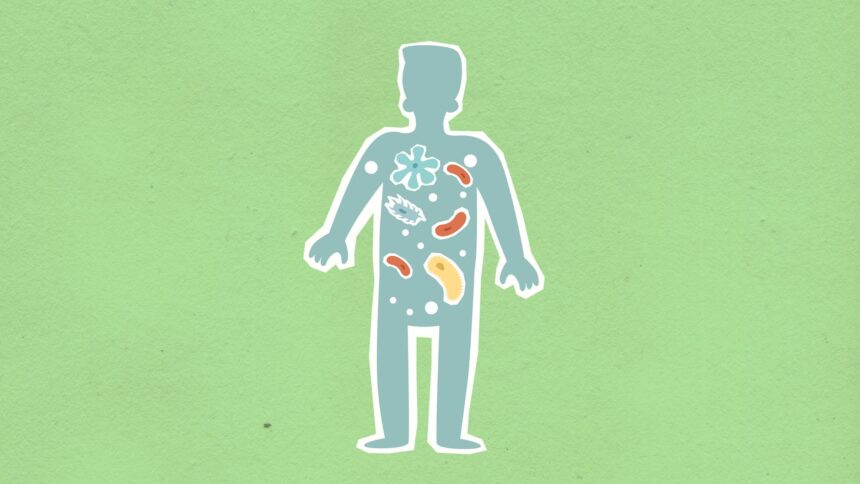
Groundbreaking research reveals that the 100 trillion bacteria residing in your digestive system function as a sophisticated control center, actively managing brain chemistry, immune responses, and metabolic processes. These microscopic organisms produce powerful neurotransmitters and biochemical compounds that communicate directly with the nervous system, influencing mood, cognition, and overall health outcomes.
The discovery of this gut-brain communication pathway has transformed medical understanding of conditions ranging from anxiety and depression to autoimmune disorders. Clinical studies demonstrate that specific bacterial strains manufacture brain chemicals like serotonin and GABA, which travel through the vagus nerve to affect mental state and neurological function.
This bidirectional relationship means that while gut microbes influence brain activity, psychological stress and mental health also reshape the intestinal bacterial ecosystem, creating a continuous feedback loop that impacts disease susceptibility across multiple body systems.
Read the full article on GMJ Newsroom.

Was this article helpful?