By using this site, you agree to the Privacy Policy and Terms of Use.
Accept
GMJ NewsGMJ NewsGMJ News
  • Latest News
    • GMJ Briefs
  • Podcast & Media
    • Podcast Episodes
    • GMJ Audio
    • GMJ Videos
  • Research Digest
    • New Studies
    • Georgian Research
    • Data & Numbers
  • Policy & Systems
    • Health Policy
    • Quality & Safety
    • Migration & Health
    • Global Health
  • Practice
    • Clinical Updates
    • Case Discussions
    • Pharmacy & Prescribing
    • Ingredients A-Z
  • Perspectives
    • Editorial
    • Explainers
    • Voices
    • Letters
  • GMJ Articles
    • Vol. 1 Issue 2 (2026)
    • Vol. 1 Issue 1 (2026)
    • Pre-Launch Articles (2025)
  • Read the Journal →
  • About GMJ News
Notification Show More
Font ResizerAa
GMJ NewsGMJ News
Font ResizerAa
  • Latest News
    • GMJ Briefs
  • Podcast & Media
    • Podcast Episodes
    • GMJ Audio
    • GMJ Videos
  • Research Digest
    • New Studies
    • Georgian Research
    • Data & Numbers
  • Policy & Systems
    • Health Policy
    • Quality & Safety
    • Migration & Health
    • Global Health
  • Practice
    • Clinical Updates
    • Case Discussions
    • Pharmacy & Prescribing
    • Ingredients A-Z
  • Perspectives
    • Editorial
    • Explainers
    • Voices
    • Letters
  • GMJ Articles
    • Vol. 1 Issue 2 (2026)
    • Vol. 1 Issue 1 (2026)
    • Pre-Launch Articles (2025)
  • Read the Journal →
  • About GMJ News
Follow US
GMJ News > GMJ Briefs > Microbial Diversity Drops 47% From Young Adulthood to Older Age, Fueling Inflammation

Microbial Diversity Drops 47% From Young Adulthood to Older Age, Fueling Inflammation

GMJ
Last updated: 07/07/2026 15:07
By
Prof. Giorgi Pkhakadze
Share
1 Min Read
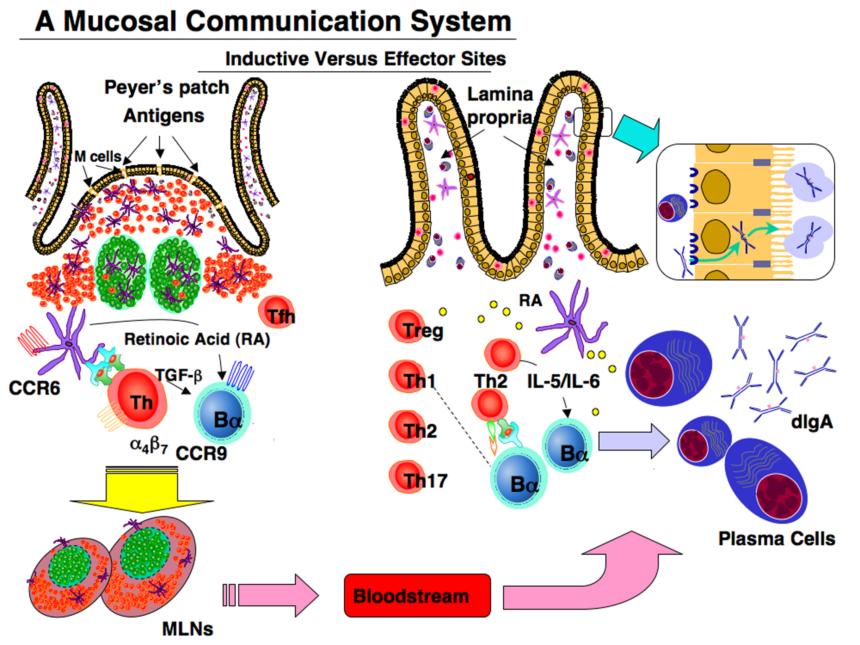
Scientific illustration showing gut microbiome changes with age and immune system decline
New research reveals how the aging immune system fails to control gut microbiome balance, leading to increased inflammation and disease risk. The findings suggest therapeutic targets for healthy aging. — "The mucosal immune system (MIS) is interconnected, enabling it to protect vast surface areas" by McGhee JR, Fujihashi K is licensed under CC BY 4.0. To view a copy of this license, visit https://creativecommons.org/licenses/by/4.0/. (CC BY 4.0)
SHARE
1 min read|136 words

New research quantifies the dramatic decline in gut microbiome diversity across the human lifespan, with measurements revealing a collapse from 85 percent diversity in young adults to just 45 percent in older populations. This 47-point decline correlates directly with weakened immune surveillance and control mechanisms that normally maintain beneficial microbial communities.

The loss of microbial diversity disrupts essential metabolic functions, particularly the production of short-chain fatty acids that regulate inflammatory responses throughout the body. Without adequate microbial diversity, chronic low-grade inflammation develops and perpetuates age-related diseases ranging from cardiovascular conditions to neurocognitive decline.

Centers for Disease Control and Prevention research confirms that this ‘inflammaging’ process represents a central mechanism in aging pathology. Understanding the quantitative relationship between microbiome changes and immune function decline provides a measurable foundation for developing preventive interventions.

Read the full article on GMJ Newsroom.

Submit Your Paper
GMJ_Submit_Banner

Was this article helpful?

GMJ Brief · Key Finding

📰 Read the full article: Aging Immune System Fails to Control Gut Microbiome, New Research Shows →

Share This Article
Facebook LinkedIn Bluesky Copy Link Print
GMJ
ByProf. Giorgi Pkhakadze
Follow:
Prof. Giorgi Pkhakadze, MD, MPH, PhD, is Editor-in-Chief of the Georgian Medical Journal and Chair of the Public Health Institute of Georgia (PHIG). He is Professor and Head of the Department of Social and Behavioural Sciences at David Tvildiani Medical University, and Secretary/Treasurer of the UEMS Section of Public Health. ORCID: 0000-0001-7609-4515.

Submit Your Paper →

Georgia's peer-reviewed open-access medical journal. No APC until January 2027.
Submit Manuscript →
Gene Therapy Shows Promise for Inherited Cholesterol Disorder in First-in-Human Trial

First-in-human gene therapy trial shows preliminary safety and efficacy for treating homozygous…

Teen Drug Use and Binge Drinking Linked to Severe Mental Health Crisis

UCLA research reveals dangerous links between teen substance use and mental health…

PFAS ‘Forever Chemicals’ Persist in Ski Wax Rooms Despite Regulatory Bans

New research reveals PFAS 'forever chemicals' persist in ski wax facilities years…

Submit Your Paper to GMJ

No APC until January 2027.
Submit Manuscript →

You Might Also Like

Map showing malaria prevention coverage across sub-Saharan African countries

What the 17-Country Malaria Study Reveals About Prevention Failures

By
Prof. Giorgi Pkhakadze
24/06/2026
Pharmacy & PrescribingPractice

UK Drug Recall: Ramipril Blood Pressure Medication Withdrawn Over Packaging Error

By
Prof. Giorgi Pkhakadze
30/05/2026
Clinical UpdatesHealth PolicyPolicy & SystemsPractice

UK Launches Emergency Meningitis B Vaccination Programme After Fatal Student Outbreaks

By
Prof. Giorgi Pkhakadze
13/06/2026

EBOLA OUTBREAK – DRC/UGANDA CROSS-BORDER TRANSMISSION – PHEIC DECLARED

By
Prof. Giorgi Pkhakadze
31/05/2026
Facebook Twitter Youtube Instagram
Company
  • Privacy Policy
  • Contact US
  • GMJ Journal
  • Submit Manuscript
  • Editorial Team
  • Register at GMJ
  • Terms of Use

Subscribe to GMJ News — Click here

Join Community
© 2026 Georgian Medical Journal (GMJ). Published by the Public Health Institute of Georgia (PHIG). All rights reserved.
Welcome Back!

Sign in to your account

Username or Email Address
Password

Lost your password?

Not a member? Sign Up