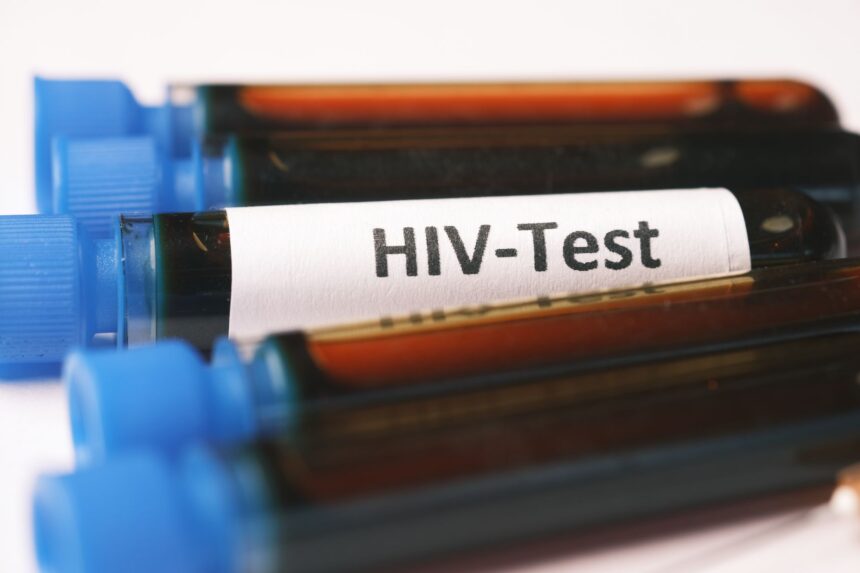
The National Health Service has demonstrated the feasibility of integrating routine HIV screening into emergency department care, identifying 1,953 previously undiagnosed cases across 88 English regions between 2022 and 2026. This opt-out testing initiative represents a landmark approach to case-finding in acute care settings, requiring no additional blood draws beyond routine emergency laboratory work.
By embedding HIV screening into standard emergency procedures, the programme has accelerated entry to antiretroviral therapy for individuals unaware of their status. Early diagnosis is critical: once patients achieve viral suppression through treatment, onward transmission risk drops to near-zero levels, fundamentally altering individual prognosis and public health outcomes. The initiative addresses a significant care gap, as an estimated 8,000–10,000 adults in England remain undiagnosed despite living with HIV.
This model offers valuable lessons for health systems seeking to reduce late diagnoses and improve prevention outcomes through opportunistic screening in high-attendance clinical settings.
Read the full article on GMJ Newsroom.

Was this article helpful?