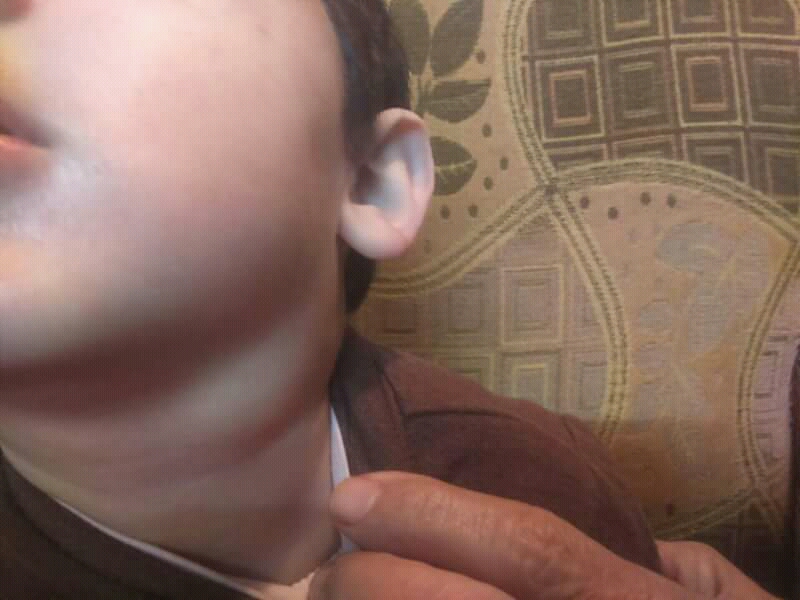
Approximately 70 percent of cat scratch disease cases present with fever and systemic symptoms, yet the nonspecific nature of these manifestations frequently results in diagnostic delays. This clinical paradox—common symptomatology paired with diagnostic difficulty—underscores the necessity for heightened clinical suspicion in patients with compatible exposure history. A detailed account of cat contact, combined with serological testing and careful examination for regional lymphadenopathy, forms the cornerstone of early diagnosis. Healthcare providers across primary care and emergency settings must recognize that fever, malaise, and lymph node enlargement in patients with recent cat exposure warrant investigation for Bartonella henselae infection. Delayed diagnosis can allow progression to more severe systemic manifestations, including hepatosplenic disease and neurological complications. Establishing a systematic approach to obtaining thorough exposure histories can significantly improve diagnostic accuracy and treatment timing.
Was this article helpful?