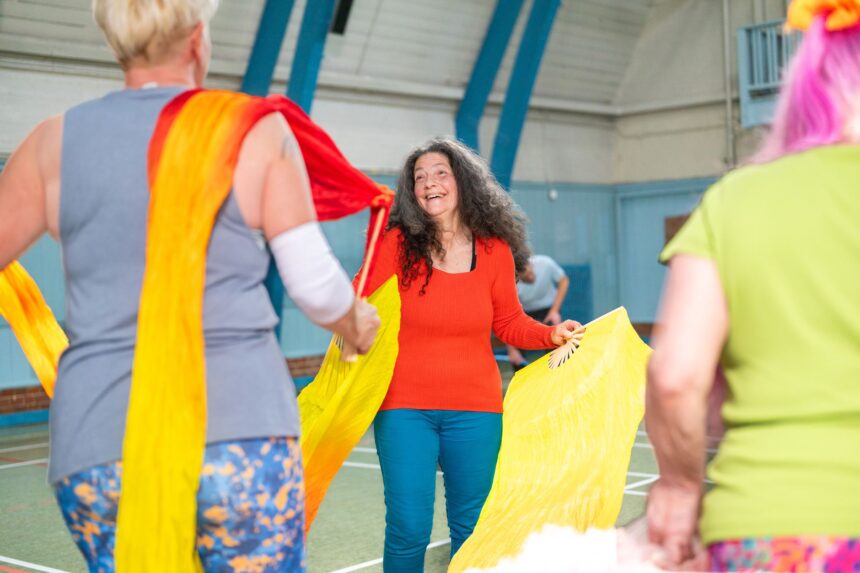
Healthcare systems worldwide are increasingly recognizing arts engagement as a powerful complement to traditional medical treatments through social prescribing programs. These initiatives, where providers recommend cultural activities alongside conventional care, are generating compelling evidence for their effectiveness in improving patient wellbeing.
Research demonstrates that 76% of participants in arts-based social prescribing programs report improved wellbeing outcomes. However, a concerning trend has emerged: healthcare professionals themselves participate in arts activities at significantly lower rates than the general population. This disparity raises important questions about how limited arts engagement among clinicians may impact their capacity for empathy and quality of patient care.
A World Health Organization scoping review analyzing over 3,000 studies found strong evidence that arts activities can prevent illness, promote health, and effectively manage various conditions across all age groups. As healthcare systems continue implementing these programs, the focus is expanding to include supporting greater arts participation among medical professionals themselves.
Read the full article on GMJ Newsroom.

Was this article helpful?