By using this site, you agree to the Privacy Policy and Terms of Use.
Accept
GMJ NewsGMJ NewsGMJ News
  • Latest News
    • GMJ Briefs
  • Podcast & Media
    • Podcast Episodes
    • GMJ Audio
    • GMJ Videos
  • Research Digest
    • New Studies
    • Georgian Research
    • Data & Numbers
  • Policy & Systems
    • Health Policy
    • Quality & Safety
    • Migration & Health
    • Global Health
  • Practice
    • Clinical Updates
    • Case Discussions
    • Pharmacy & Prescribing
    • Ingredients A-Z
  • Perspectives
    • Editorial
    • Explainers
    • Voices
    • Letters
  • GMJ Articles
    • Vol. 1 Issue 2 (2026)
    • Vol. 1 Issue 1 (2026)
    • Pre-Launch Articles (2025)
  • Read the Journal →
  • About GMJ News
Notification Show More
Font ResizerAa
GMJ NewsGMJ News
Font ResizerAa
  • Latest News
    • GMJ Briefs
  • Podcast & Media
    • Podcast Episodes
    • GMJ Audio
    • GMJ Videos
  • Research Digest
    • New Studies
    • Georgian Research
    • Data & Numbers
  • Policy & Systems
    • Health Policy
    • Quality & Safety
    • Migration & Health
    • Global Health
  • Practice
    • Clinical Updates
    • Case Discussions
    • Pharmacy & Prescribing
    • Ingredients A-Z
  • Perspectives
    • Editorial
    • Explainers
    • Voices
    • Letters
  • GMJ Articles
    • Vol. 1 Issue 2 (2026)
    • Vol. 1 Issue 1 (2026)
    • Pre-Launch Articles (2025)
  • Read the Journal →
  • About GMJ News
Follow US
GMJ News > GMJ Briefs > The 8×8 Water Rule: A Health Myth Without Scientific Foundation

The 8×8 Water Rule: A Health Myth Without Scientific Foundation

GMJ
Last updated: 26/07/2026 07:30
By
Prof. Giorgi Pkhakadze
Share
1 Min Read
Infographic showing 67% of daily water intake from beverages, 33% from food moisture, based on O'Connor et al. study data
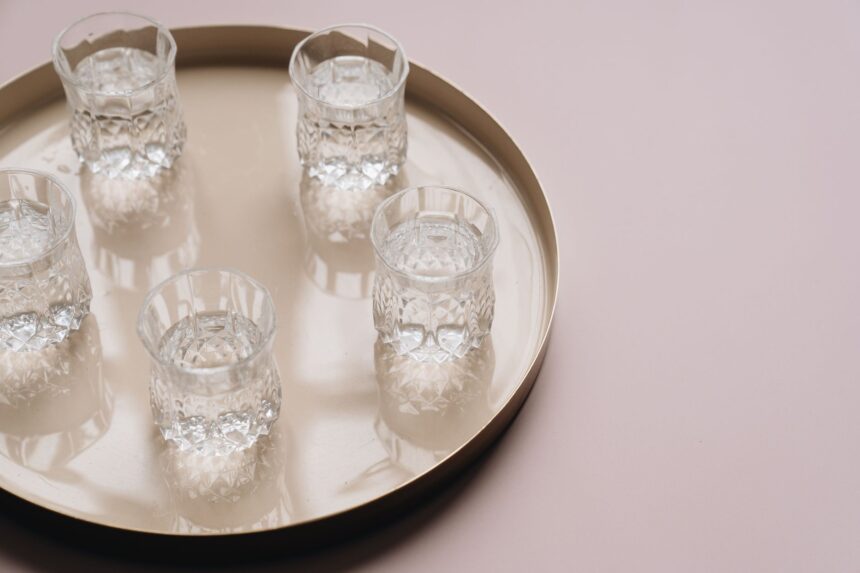
The ubiquitous recommendation to drink eight 8-ounce glasses of water daily has no traceable scientific source. A Dartmouth kidney physiologist's exhaustive 2002 search found no primary study supporting the rule, while real-world intake data shows people naturally consume adequate fluids through thirst and food moisture. — Photo by alleksana on Pexels (Pexels License)
SHARE
1 min read|114 words

One of the most widely repeated health recommendations—drinking eight 8-ounce glasses of water daily—lacks any traceable scientific source, according to an exhaustive investigation by Dr. Heinz Valtin of Dartmouth Medical School. Despite searching electronic databases, historical literature, and consulting nutrition specialists, Valtin found no primary study or controlled trial supporting the ubiquitous rule.

Instead of following arbitrary guidelines, evidence suggests that adults naturally consume approximately 2.3 liters of fluid daily through beverages and food-based moisture. The rule appears to have become cultural shorthand without evidence-based justification. Rather than adhering to a magic number, physiological thirst remains the most reliable indicator of individual hydration needs, varying based on activity level, climate, and metabolic factors.

Was this article helpful?

GMJ Brief · Announcement

📰 Read the full article: The ‘8×8 Water Rule’ Has No Scientific Source—Here’s What the Evidence Actually Shows →

Share This Article
Facebook LinkedIn Bluesky Copy Link Print
GMJ
ByProf. Giorgi Pkhakadze
Follow:
Prof. Giorgi Pkhakadze, MD, MPH, PhD, is Editor-in-Chief of the Georgian Medical Journal and Chair of the Public Health Institute of Georgia (PHIG). He is Professor and Head of the Department of Social and Behavioural Sciences at David Tvildiani Medical University, and Secretary/Treasurer of the UEMS Section of Public Health. ORCID: 0000-0001-7609-4515.

Submit Your Paper →

Georgia's peer-reviewed open-access medical journal. No APC until January 2027.
Submit Manuscript →
How B Vitamins and Micronutrients Power the Brain’s Energy System

The brain consumes 20% of adult body energy—up to 50% in children—demanding…

Why Nutraceuticals Help Depression: Not by Acting as Drugs, but by Fixing What Antidepressants Miss

A 2025 meta-analysis reveals that nutraceuticals improve depression outcomes when added to…

Sleep Quality Drives Daily Movement More Than Exercise Boosts Rest, 2025 Data Shows

Wearable data from 71,000 adults over 3.5 years reveal that sleep quality…

Submit Your Paper to GMJ

No APC until January 2027.
Submit Manuscript →

You Might Also Like

CDC headquarters building representing public health infrastructure and workforce concerns

Data Alert: Nearly Universal CDC Staff Concern Over Budget Impact on Public Health Protection

By
Prof. Giorgi Pkhakadze
10/07/2026
NHS healthcare workers using AI administrative tools at computer workstations

One Million Clinical Hours Monthly: Quantifying NHS AI Efficiency Gains

By
Prof. Giorgi Pkhakadze
19/07/2026
Biotech laboratory researcher working with advanced equipment representing innovation challenges

Biotech Innovation Accelerates While US Institutional Support Faces Critical Strain

By
Prof. Giorgi Pkhakadze
15/07/2026
Illustration of plasma proteomics analysis showing protein signatures associated with aging in different cell types

40+ Cellular Aging Signatures Identified: The New Frontier in Biological Age Assessment

By
Prof. Giorgi Pkhakadze
23/07/2026
Facebook Twitter Youtube Instagram
Company
  • Privacy Policy
  • Contact US
  • GMJ Journal
  • Submit Manuscript
  • Editorial Team
  • Register at GMJ
  • Terms of Use

Subscribe to GMJ News — Click here

Join Community
© 2026 Georgian Medical Journal (GMJ). Published by the Public Health Institute of Georgia (PHIG). All rights reserved.
Welcome Back!

Sign in to your account

Username or Email Address
Password

Lost your password?

Not a member? Sign Up