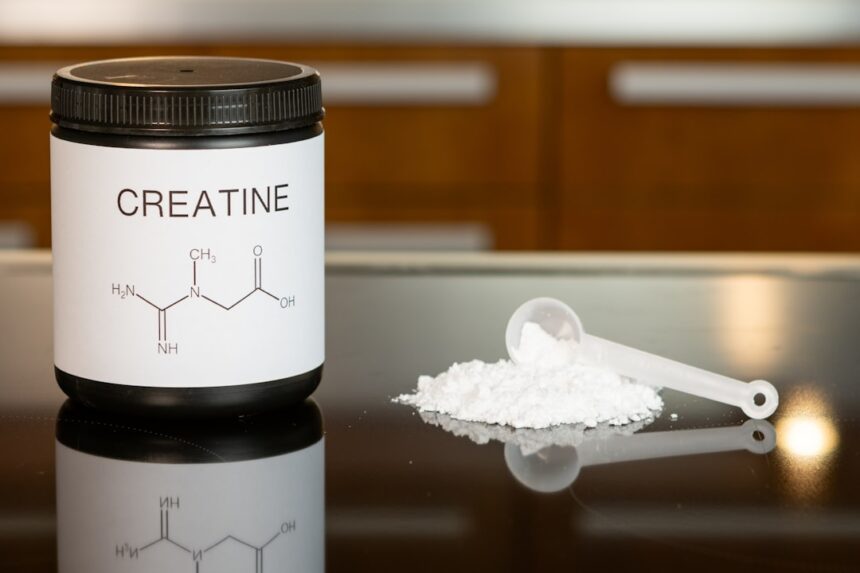
Your body manufactures creatine through a sophisticated biochemical process that begins in the kidneys and reaches completion in the liver. This endogenous molecule then travels to skeletal muscle tissue, where approximately 95% of your total creatine pool resides, functioning as a rapid-response energy buffer during intense physical or cognitive activity.
The creatine-phosphocreatine system operates as your cells’ fastest energy regeneration pathway. When muscles demand immediate energy during high-intensity exercise, phosphocreatine instantly regenerates ATP—adenosine triphosphate, the fundamental energy currency of every cell—within milliseconds. This four-stage process from synthesis to storage to energy exchange represents one of the body’s most elegant bioenergetic mechanisms.
Understanding this pathway illuminates why creatine has become one of the most extensively researched micronutrients in sports physiology and clinical biochemistry. The kidney’s role extends beyond synthesis; clinically, creatinine—a creatine metabolite—serves as a critical biomarker for assessing renal function in diagnostic testing.
Read the full article on GMJ Newsroom.

Was this article helpful?