By using this site, you agree to the Privacy Policy and Terms of Use.
Accept
GMJ NewsGMJ NewsGMJ News
  • Latest News
    • GMJ Briefs
  • Podcast & Media
    • Podcast Episodes
    • GMJ Audio
    • GMJ Videos
  • Research Digest
    • New Studies
    • Georgian Research
    • Data & Numbers
  • Policy & Systems
    • Health Policy
    • Quality & Safety
    • Migration & Health
    • Global Health
  • Practice
    • Clinical Updates
    • Case Discussions
    • Pharmacy & Prescribing
    • Ingredients A-Z
  • Perspectives
    • Editorial
    • Explainers
    • Voices
    • Letters
  • GMJ Articles
    • Vol. 1 Issue 2 (2026)
    • Vol. 1 Issue 1 (2026)
    • Pre-Launch Articles (2025)
  • Read the Journal →
  • About GMJ News
Notification Show More
Font ResizerAa
GMJ NewsGMJ News
Font ResizerAa
  • Latest News
    • GMJ Briefs
  • Podcast & Media
    • Podcast Episodes
    • GMJ Audio
    • GMJ Videos
  • Research Digest
    • New Studies
    • Georgian Research
    • Data & Numbers
  • Policy & Systems
    • Health Policy
    • Quality & Safety
    • Migration & Health
    • Global Health
  • Practice
    • Clinical Updates
    • Case Discussions
    • Pharmacy & Prescribing
    • Ingredients A-Z
  • Perspectives
    • Editorial
    • Explainers
    • Voices
    • Letters
  • GMJ Articles
    • Vol. 1 Issue 2 (2026)
    • Vol. 1 Issue 1 (2026)
    • Pre-Launch Articles (2025)
  • Read the Journal →
  • About GMJ News
Follow US
GMJ News > GMJ Briefs > Three Critical Climate Health Risks Every Healthcare Provider Should Know

Three Critical Climate Health Risks Every Healthcare Provider Should Know

GMJ
Last updated: 16/07/2026 22:26
By
Prof. Giorgi Pkhakadze
Share
1 Min Read
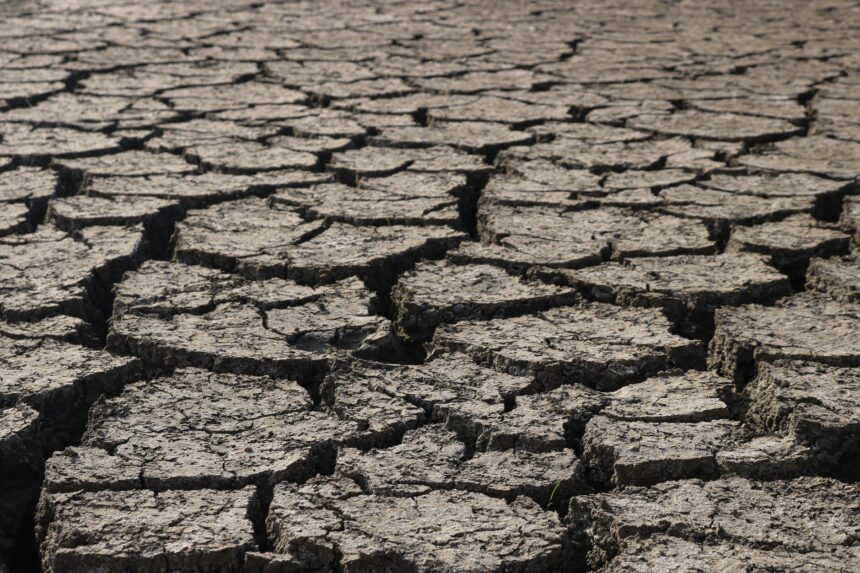
Climate change and health risks infographic showing temperature trends
Global temperatures are likely to reach record levels in the next five years according to WMO. Rising temperatures pose escalating threats to global health systems and vulnerable populations. — Photo by Feyza Daştan on Pexels (Pexels License)
SHARE
1 min read|142 words

As global temperatures reach record levels, healthcare professionals must understand three interconnected threats reshaping clinical practice. First, heat-related illness will increase substantially, requiring enhanced emergency protocols and expanded capacity for heat-stress management. Second, vulnerable populations—elderly patients, children, and those with chronic disease—face disproportionate risks and require targeted preventive strategies and care planning.

Third, healthcare systems themselves must achieve climate resilience. This means developing contingency plans for infrastructure disruptions, supply chain vulnerabilities, and surge capacity during extreme weather events. Facilities must assess physical vulnerabilities to heat and flooding, establish backup power systems, and ensure medical supply resilience.

For clinicians, this translates to practical action: integrate climate health competencies into patient care conversations, identify high-risk populations in your practice, and participate in institutional climate adaptation planning. Healthcare providers are frontline defenders against climate-related health threats and key architects of resilient health systems.

Was this article helpful?

GMJ Brief · Takeaway

📰 Read the full article: Global Temperatures Likely to Set Records Over Next Five Years, WMO Warns →

Share This Article
Facebook LinkedIn Bluesky Copy Link Print
GMJ
ByProf. Giorgi Pkhakadze
Follow:
Prof. Giorgi Pkhakadze, MD, MPH, PhD, is Editor-in-Chief of the Georgian Medical Journal and Chair of the Public Health Institute of Georgia (PHIG). He is Professor and Head of the Department of Social and Behavioural Sciences at David Tvildiani Medical University, and Secretary/Treasurer of the UEMS Section of Public Health. ORCID: 0000-0001-7609-4515.

Submit Your Paper →

Georgia's peer-reviewed open-access medical journal. No APC until January 2027.
Submit Manuscript →
Meta-analysis reveals shared neurochemical signature across anxiety disorders

A meta-analysis of 25 brain imaging studies has identified a consistent neurochemical…

How the immune system learns and remembers: innate defenses meet adaptive immunity

The immune system operates as two integrated networks: innate immunity provides immediate…

How a Single Stem Cell Learns to Beat: New Insights into Cardiac Development

Researchers at Vanderbilt University have documented the transformation of a single stem…

Submit Your Paper to GMJ

No APC until January 2027.
Submit Manuscript →

You Might Also Like

Global HealthPolicy & Systems

UNICEF Scales Emergency Response for Children Affected by Ebola Outbreaks in DRC and Uganda

By
Prof. Giorgi Pkhakadze
11/06/2026
Colorado health officials and lawmakers discussing childhood vaccination policy at state capitol

What Colorado’s Vaccine Coalition Means for State Public Health Strategy

By
Prof. Giorgi Pkhakadze
27/06/2026
Wegovy oral tablets and injectable pens showing new UK-approved weight loss treatment options

First-in-Class: Oral GLP-1 Weight Loss Pill Receives MHRA Clearance

By
Prof. Giorgi Pkhakadze
12/07/2026

FDA Issues Urgent Recall of Medline Namic Star Manifolds Over Blood Clot Risk

By
Prof. Giorgi Pkhakadze
27/05/2026
Facebook Twitter Youtube Instagram
Company
  • Privacy Policy
  • Contact US
  • GMJ Journal
  • Submit Manuscript
  • Editorial Team
  • Register at GMJ
  • Terms of Use

Subscribe to GMJ News — Click here

Join Community
© 2026 Georgian Medical Journal (GMJ). Published by the Public Health Institute of Georgia (PHIG). All rights reserved.
Welcome Back!

Sign in to your account

Username or Email Address
Password

Lost your password?

Not a member? Sign Up