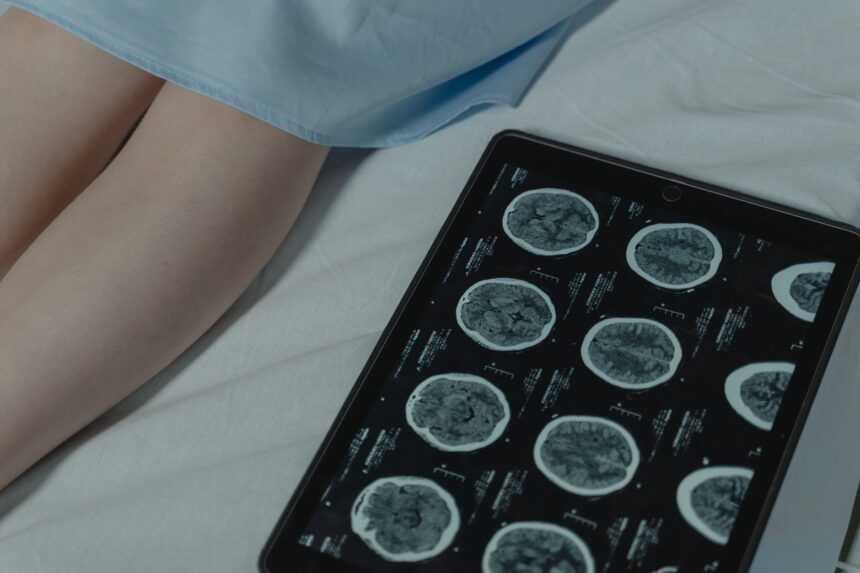
A new study from the German Cancer Research Center presents three essential takeaways that clinicians and healthcare systems should understand. First, the AI system identifies over 100 molecular subtypes of brain tumors with 95% accuracy, providing comprehensive molecular classification that previously required time-intensive laboratory analysis. Second, this breakthrough uses standard tissue staining techniques available in virtually every pathology lab worldwide, eliminating barriers associated with expensive molecular testing infrastructure—a critical advantage for hospitals in resource-limited settings.
Third, the technology delivers results in approximately five minutes rather than 2-6 weeks, enabling real-time surgical decision-making and potentially improving patient outcomes through immediate treatment optimization. These practical advantages suggest the AI system could become a standard tool in neuropathology, democratizing access to precision tumor classification globally. For healthcare administrators, surgeons, and pathologists, this represents a concrete opportunity to enhance diagnostic capabilities and streamline oncological workflows without substantial capital investment or specialized technical expertise.
Read the full article on GMJ Newsroom.
Was this article helpful?