By using this site, you agree to the Privacy Policy and Terms of Use.
Accept
GMJ NewsGMJ NewsGMJ News
  • Latest News
    • GMJ Briefs
  • Podcast & Media
    • Podcast Episodes
    • GMJ Audio
    • GMJ Videos
  • Research Digest
    • New Studies
    • Georgian Research
    • Data & Numbers
  • Policy & Systems
    • Health Policy
    • Quality & Safety
    • Migration & Health
    • Global Health
  • Practice
    • Clinical Updates
    • Case Discussions
    • Pharmacy & Prescribing
    • Ingredients A-Z
  • Perspectives
    • Editorial
    • Explainers
    • Voices
    • Letters
  • GMJ Articles
    • Vol. 1 Issue 2 (2026)
    • Vol. 1 Issue 1 (2026)
    • Pre-Launch Articles (2025)
  • Read the Journal →
  • About GMJ News
Notification Show More
Font ResizerAa
GMJ NewsGMJ News
Font ResizerAa
  • Latest News
    • GMJ Briefs
  • Podcast & Media
    • Podcast Episodes
    • GMJ Audio
    • GMJ Videos
  • Research Digest
    • New Studies
    • Georgian Research
    • Data & Numbers
  • Policy & Systems
    • Health Policy
    • Quality & Safety
    • Migration & Health
    • Global Health
  • Practice
    • Clinical Updates
    • Case Discussions
    • Pharmacy & Prescribing
    • Ingredients A-Z
  • Perspectives
    • Editorial
    • Explainers
    • Voices
    • Letters
  • GMJ Articles
    • Vol. 1 Issue 2 (2026)
    • Vol. 1 Issue 1 (2026)
    • Pre-Launch Articles (2025)
  • Read the Journal →
  • About GMJ News
Follow US
GMJ News > GMJ Briefs > Three Essential Strategies to Maximize Heart-Protective Flavanol Intake

Three Essential Strategies to Maximize Heart-Protective Flavanol Intake

GMJ
Last updated: 17/07/2026 12:26
By
Prof. Giorgi Pkhakadze
Share
1 Min Read
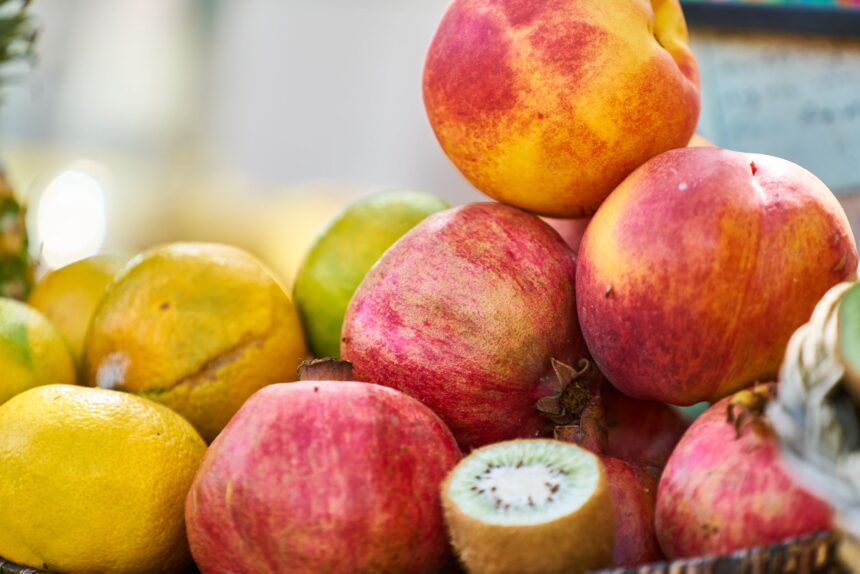
Colorful array of flavanol-rich fruits including blueberries, cherries, and blackberries
New research from University of Reading, Harvard Medical School, and UC Davis shows that flavanol-rich fruits like blueberries and cherries may provide superior heart protection. Fewer than 20% of people achieve protective flavanol levels despite meeting standard dietary recommendations. — Photo by Engin Akyurt on Pexels (Pexels License)
SHARE
1 min read|133 words

A comprehensive analysis from leading research institutions offers practical guidance for improving cardiovascular health through targeted dietary choices. First, prioritize flavanol-rich fruits including blueberries, cherries, blackberries, plums, and broad beans, which demonstrate superior heart-protective properties compared to other produce. Second, recognize that meeting the five-a-day fruit and vegetable recommendation is insufficient for optimal cardiovascular protection; consumers must specifically select high-flavanol options. Third, consider incorporating green tea into daily routines, as research indicates it may enhance and complement the cardiovascular benefits derived from flavanol-rich foods. These evidence-based recommendations move beyond generic dietary advice, offering individuals actionable steps to meaningfully reduce heart disease risk. Healthcare professionals and patients alike should understand that strategic fruit selection, combined with complementary beverages like green tea, provides a more effective approach to cardiovascular disease prevention than general fruit consumption.

Was this article helpful?

GMJ Brief · Takeaway

📰 Read the full article: Flavanol-Rich Fruits Could Cut Heart Disease Risk, New Multi-Institutional Study Shows →

Share This Article
Facebook LinkedIn Bluesky Copy Link Print
GMJ
ByProf. Giorgi Pkhakadze
Follow:
Prof. Giorgi Pkhakadze, MD, MPH, PhD, is Editor-in-Chief of the Georgian Medical Journal and Chair of the Public Health Institute of Georgia (PHIG). He is Professor and Head of the Department of Social and Behavioural Sciences at David Tvildiani Medical University, and Secretary/Treasurer of the UEMS Section of Public Health. ORCID: 0000-0001-7609-4515.

Submit Your Paper →

Georgia's peer-reviewed open-access medical journal. No APC until January 2027.
Submit Manuscript →
Magnesium Supplement Claims vs. Evidence: What the Science Actually Shows

Animal studies show tissue-specific magnesium uptake, but human trials have not replicated…

Biology’s Universal Blueprint: How Cells Reveal the Mechanics of Life

All living organisms operate according to shared cellular principles—membrane structure, energy metabolism,…

Why muscle growth takes years, not months: the cellular biology behind training limits

Muscle growth is constrained by cellular-level processes—specifically myonuclei accretion and protein synthesis…

Submit Your Paper to GMJ

No APC until January 2027.
Submit Manuscript →

You Might Also Like

WHO certification document for Turks and Caicos Islands mother-to-child transmission elimination

Turks and Caicos Joins Elite Global Group in Eliminating Mother-to-Child HIV and Hepatitis B Transmission

By
Prof. Giorgi Pkhakadze
20/06/2026
Healthcare professionals facilitating women's health discussion in community setting

What Healthcare Providers Should Know About Breaking Women’s Health Communication Barriers

By
Prof. Giorgi Pkhakadze
02/08/2026
Scientific illustration showing gut bacteria and brain connection in infant development

Protective Gut Bacteria Signatures Detectable Within Months of Birth, Study Reveals

By
Prof. Giorgi Pkhakadze
20/06/2026
World map showing global migration research network connections and priority focus areas

IOM Strengthens Global Migration Research to Bridge Evidence Gaps in Migrant Health

By
Prof. Giorgi Pkhakadze
27/06/2026
Facebook Twitter Youtube Instagram
Company
  • Privacy Policy
  • Contact US
  • GMJ Journal
  • Submit Manuscript
  • Editorial Team
  • Register at GMJ
  • Terms of Use

Subscribe to GMJ News — Click here

Join Community
© 2026 Georgian Medical Journal (GMJ). Published by the Public Health Institute of Georgia (PHIG). All rights reserved.
Welcome Back!

Sign in to your account

Username or Email Address
Password

Lost your password?

Not a member? Sign Up