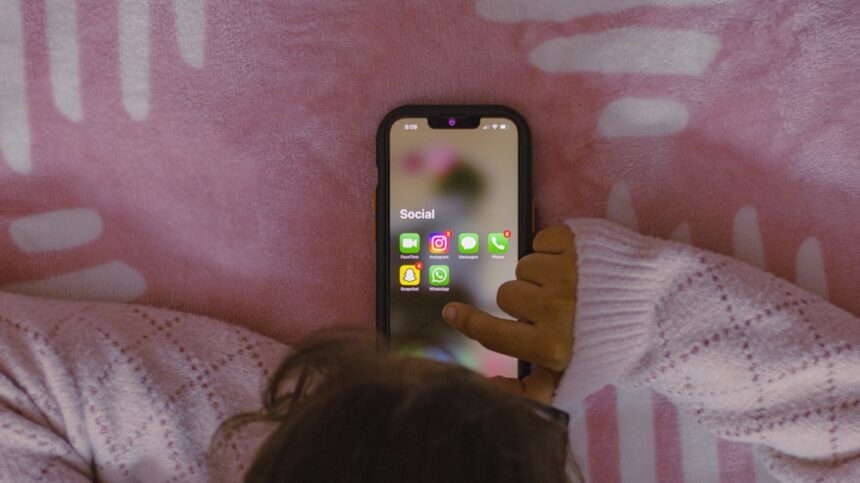
For clinicians evaluating adolescent mental health, recent research offers three actionable insights. First, parental phone distraction correlates significantly with insecure attachment styles in teenagers. Second, insecure attachment during adolescence predicts elevated risk for anxiety, depression, and reduced help-seeking behavior in adulthood—outcomes that underscore the long-term stakes of early intervention.
Third, clinical assessment of adolescent mental health should now include evaluation of parental engagement and device use patterns. This shift in assessment practice reflects evidence that caregiver presence and undivided attention are protective factors for attachment security. Mental health providers working with adolescents are encouraged to incorporate family-level digital habits into their diagnostic formulation and treatment planning.
Read the full article on GMJ Newsroom.
Was this article helpful?