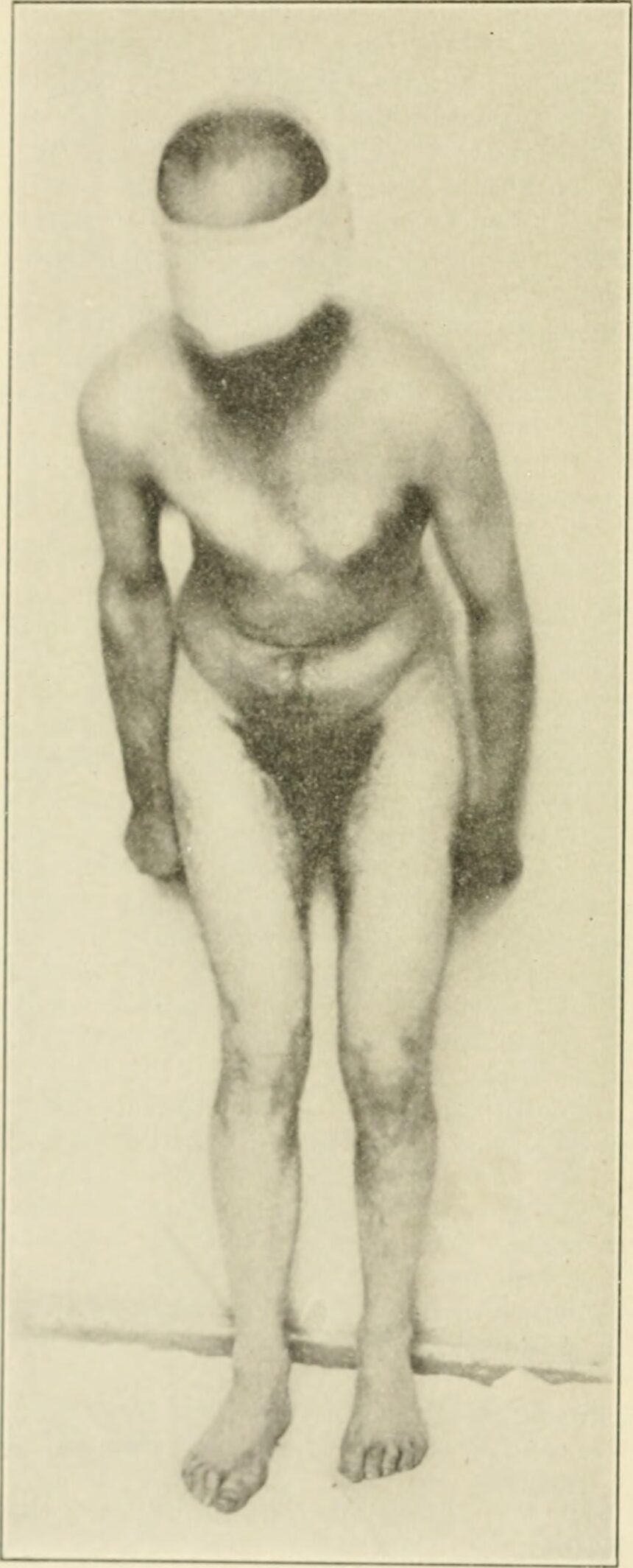
Research from Asahikawa Medical University identifies practical interventions targeting the neural circuits most vulnerable to aging and neurodegeneration. First, dedicated posture training for 2–3 minutes daily strengthens antigravity circuits and resists postural collapse. Second, practicing gait transitions—starting, stopping, turning, and obstacle navigation—addresses the moments when most falls occur. Third, avoiding multitasking during walking in challenging environments (stairs, crowded spaces, uneven ground) protects balance control when neural circuits are taxed.
These strategies directly target cortico-brainstem-spinal pathway function rather than muscular strength. By focusing on dynamic balance, postural stability, and gait transitions early, patients and clinicians can detect neural circuit decline before it progresses to falls or mobility loss. Implementation is straightforward and does not require specialized equipment or facilities.
Read the full article on GMJ Newsroom.
Was this article helpful?