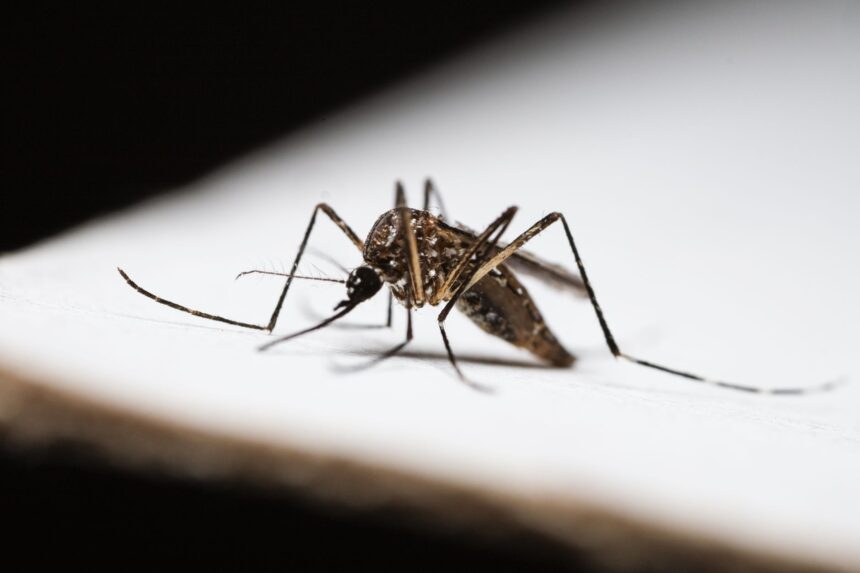
New field research identifies three critical insights for dengue prevention in tropical regions. First, cyclones amplify dengue transmission by up to 63% through mechanisms beyond rainfall—mosquito flight distance increases dramatically, and human contact with vectors intensifies. Second, the real-world impact is substantial: one typhoon caused 5,131 excess cases and US$1.93 million in direct costs. Third, and most actionable, early vector control deployment during cyclone forecasts offers extraordinary prevention potential, capable of averting 59,360 cases across outbreak cycles. This research transforms cyclone forecasting from a meteorological concern into a public health trigger event. For health officials in dengue-endemic, cyclone-prone regions, integrating typhoon predictions into vector control schedules represents an evidence-based strategy to prevent disease transmission before it accelerates. Preparedness and early intervention save lives and resources.
Was this article helpful?