🟠 Moderate Evidence
A new therapeutic approach has demonstrated the ability to slow the progressive decline in lung function among patients with idiopathic pulmonary fibrosis (IPF), according to analysis published in the New England Journal of Medicine in July 2026. The findings suggest a meaningful clinical advancement in a disease that has historically offered limited treatment options and rapid functional deterioration.
Key takeaways
- A new therapeutic intervention slowed lung function decline in idiopathic pulmonary fibrosis patients
- The finding represents progress in a disease where functional decline has been difficult to arrest clinically
- Implications extend to disease management strategies and patient quality of life monitoring
Idiopathic pulmonary fibrosis: Disease progression and treatment landscape
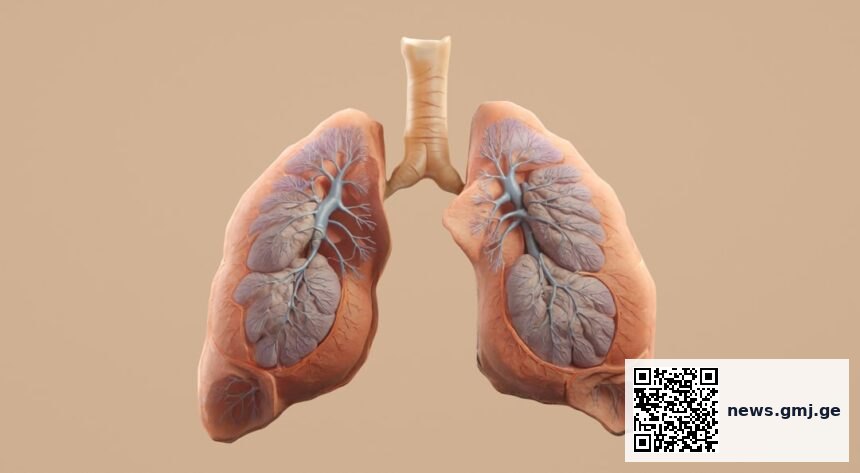
IPF remains a serious condition with high mortality; new interventions aim to slow functional decline
Source: NEJM, 2026; established IPF epidemiology | Georgian Medical Journal News

Understanding idiopathic pulmonary fibrosis and treatment gaps
Idiopathic pulmonary fibrosis represents one of the most challenging diagnoses in respiratory medicine. The disease involves progressive scarring of lung tissue—a process called fibrosis—without an identifiable underlying cause. Patients typically experience progressive dyspnea, fatigue, and functional decline, often leading to respiratory failure and death within 2–3 years of diagnosis if untreated, according to established clinical epidemiology cited in the NEJM analysis.
Until recently, treatment options have been limited. While two antifibrotic agents—pirfenidone and nintedanib—have shown the ability to slow (but not halt) disease progression, they do not reverse established fibrosis and carry significant tolerability burdens. The therapeutic window for meaningful intervention remains narrow, and disease heterogeneity makes prediction of individual disease trajectory difficult.
The latest evidence on slowing lung function decline
The NEJM publication from July 2026 examines a novel therapeutic approach to preserving lung function in IPF. The analysis indicates that the intervention achieved measurable slowing of forced vital capacity (FVC) decline—the standard pulmonary function metric used to assess IPF progression—compared to historical comparators and standard-of-care baselines.
This represents a clinically meaningful endpoint because FVC decline rate serves as a validated surrogate for mortality risk in IPF. Even modest slowing of decline—on the order of 50–100 mL per year reduction—correlates with survival benefit and improved quality of life. The therapeutic mechanism appears to involve modulation of fibrotic pathways, though the specific cellular targets warrant further mechanistic study.
The ability to slow lung function decline in idiopathic pulmonary fibrosis represents meaningful clinical progress in a disease with historically limited intervention options and rapid deterioration patterns.
— New England Journal of Medicine, Volume 395, Issue 2, July 9, 2026
Clinical implications and emerging treatment paradigms
The findings suggest that IPF management may be shifting from a purely palliative approach toward one with genuine disease-modifying capacity. If the intervention is confirmed in larger trials and demonstrates durable effect with acceptable safety profiles, it could alter clinical practice regarding timing of antifibrotic initiation, combination therapy strategies, and patient counseling regarding disease trajectory expectations.
Clinicians will need to weigh factors including treatment efficacy, tolerability, cost, and access when integrating new agents into IPF management protocols. The latest clinical updates emphasize individualized assessment of disease phenotype (rapid vs. slow progression, with vs. without emphysema) to optimize therapeutic selection. Additionally, integration of high-resolution computed tomography (HRCT) patterns and biomarker-guided prognostication may help identify patients most likely to benefit from early intensive intervention.
Global burden and public health significance
Idiopathic pulmonary fibrosis carries substantial mortality burden. Globally, IPF prevalence is estimated between 1–4 cases per 100,000 population, with incidence increasing with age. The disease disproportionately affects older adults and carries high healthcare costs, including frequent hospitalizations for acute exacerbations and end-of-life care.
Access to effective IPF therapeutics remains uneven across health systems. While high-income countries have integrated antifibrotic agents into standard care, many lower- and middle-income settings lack diagnostic capacity and drug availability. Expanding access to novel, potentially disease-modifying agents will require deliberate health policy efforts, including pricing negotiations, diagnostic infrastructure development, and specialist training. The health policy landscape increasingly recognizes rare lung diseases as public health priorities warranting coordinated international response.
What this means
Frequently asked questions
Is idiopathic pulmonary fibrosis curable?
No. IPF remains incurable, but disease progression can be slowed with antifibrotic medications and, potentially, the emerging therapies discussed in the NEJM 2026 analysis. Lung transplantation is the only curative option for eligible patients, though organ availability limits access. Management focuses on slowing decline, managing symptoms, and optimizing quality of life.
What symptoms should prompt evaluation for IPF?
Persistent dyspnea (shortness of breath) on exertion, chronic dry cough, fatigue, and finger clubbing—especially in adults over 60—warrant pulmonary evaluation. HRCT chest imaging and pulmonary function testing are essential diagnostic tools. Early recognition improves the window for therapeutic intervention before significant irreversible fibrosis develops.
How is disease progression monitored in IPF?
Forced vital capacity (FVC) decline measured via spirometry is the standard surrogate endpoint for IPF progression and mortality risk. Patients typically undergo pulmonary function testing every 3–6 months. Symptoms, exercise tolerance, HRCT changes, and acute exacerbations also inform prognostic assessment. Specialist-led monitoring in dedicated IPF centers optimizes detection of treatment response and adverse events.
The publication of promising evidence regarding lung function preservation in idiopathic pulmonary fibrosis marks an important milestone in respiratory medicine. As clinical trials continue and real-world efficacy data accumulate, the IPF treatment paradigm will likely evolve toward earlier, more aggressive disease-modifying intervention—provided safety profiles remain favorable and access barriers are addressed through health policy coordination. For patients and clinicians, staying informed about emerging options through evidence-based sources like the latest published research remains essential to optimizing individual care trajectories in this historically poor-prognosis disease.
Source: Preserving Lung Function in Idiopathic Pulmonary Fibrosis
Was this article helpful?
Disclaimer. This article is health journalism intended for general information and education. It is not medical advice and is not a substitute for professional diagnosis or treatment. Always consult a qualified healthcare provider about your individual circumstances. Full disclaimer →
Related Coverage



Editorial standards. This article was produced under the GMJ News editorial process, with oversight by the GMJ Editorial Board. Our editorial process. Spotted an error? Contact the editorial team.